Sights

3,246 questions

TábaraZamora

What is the church of Nuestra Señora de la Asunción known for?

The church of Nuestra Señora de la Asunción, also referred to as 'El Convento', was built in 1559 and served various religious congregations. It features a rich history, having been used by Jerónimos and Dominicans, and is notable for its architectural design, including a crypt that was discovered in 1991.
Nuestra Señora de la Asunción For visitors ›

Camarzana de TeraZamora

What is the significance of the church in Camarzana de Tera?

The church in Camarzana de Tera features a beautiful Baroque altarpiece that showcases the town's artistic heritage. It serves as a central place for community gatherings and religious ceremonies, reflecting the town's cultural and historical significance. The architecture and interior elements are notable for their craftsmanship, making it a key landmark in the municipality.

church For visitors ›

Muelas del PanZamora

What are the main sights to see in Muelas del Pan?

Key sights in Muelas del Pan include the Iglesia de Santiago, known for its Romanesque elements and rich interior, and the Ermita del Cristo de San Esteban, which offers stunning views of the Esla reservoir. Additionally, the Museo de Arqueología and the picturesque village of Villaflor are notable attractions.

For visitors ›

Muelas del PanZamora

What can you tell me about the Ermita del Cristo de San Esteban?

The Ermita del Cristo de San Esteban is a significant religious site in Muelas del Pan, known for its beautiful views of the surrounding landscape. It features a mix of architectural styles and houses the Cristo Emberronao. Celebrations here include the popular romería on the Tuesday after Easter.

Ermita del Cristo de San Esteban For visitors ›

Muelas del PanZamora

What is the Museo de Arqueología and Alfarería?

The Museo de Arqueología and Alfarería in Muelas del Pan showcases the area's rich archaeological history and traditional pottery. It features exhibits of historical artifacts and offers a workshop with traditional kilns, allowing visitors to engage with the local craft of pottery.

Museo de Arqueología and Alfarería For visitors ›

St. Colomba's church in Cobreros with trees and field in the foreground.
CobrerosZamora

What can I see at St. Colomba's church in Cobreros?

St. Colomba's church, built in 1649, features a blend of historical architecture with a tower that was once separate from the main structure. The church has undergone renovations, and its interior includes inscriptions that highlight its history. Visitors can appreciate the craftsmanship and historical significance of this local landmark.

St. Colomba's church For visitors ›

Morales de ReyZamora

What can you tell me about the Church of San Pelayo Mártir?

The Church of San Pelayo Mártir, inaugurated in 1992, replaced an older structure that had deteriorated. It features a Baroque-style altarpiece and houses important religious images, including one of Our Lady of the Rosary. The church plays a central role in local religious and community events.

Iglesia de San Pelayo Mártir For visitors ›

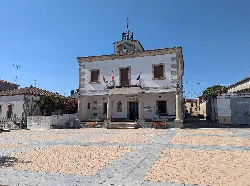
Pereruela town hall building with white facade and balcony.
PereruelaZamora

What is the Casa consistorial de Pereruela?

The Casa consistorial de Pereruela serves as the town hall for the municipality. This building is a central point for local governance and community events. Its architecture reflects the regional style, making it a notable landmark in the town. Visitors often find it a useful reference point when exploring Pereruela.

Casa consistorial de Pereruela For visitors ›

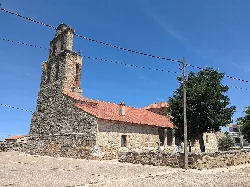
Santa Eufemia church in Pereruela, Zamora, with stone tower and red tiled roof.
PereruelaZamora

What can you tell me about the Iglesia de Santa Eufemia?

The Iglesia de Santa Eufemia is the parish church of Pereruela, showcasing a blend of Romanesque and Gothic architectural styles. Inside, it features a significant retablo dedicated to Santa Eufemia, the patron saint of the town, whose feast day is celebrated on September 16. This church is a key part of the town's cultural heritage.

Iglesia de Santa Eufemia For visitors ›

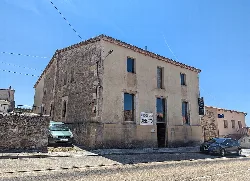
Stone building in Pereruela with a sign for an open museum.
PereruelaZamora

What is the Centro de interpretación del barro?

The Centro de interpretación del barro is a center dedicated to the art of pottery in Pereruela. It offers insights into the local ceramic traditions, showcasing the techniques and history of pottery-making in the region. Visitors can learn about the significance of clay in the local culture and economy.

Centro de interpretación del barro For visitors ›

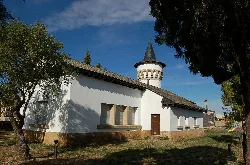
White building with a conical tower in Carbajales de Alba.
Carbajales de AlbaZamora

What can I see at the Museo del Traje Carbajalino?

The Museo del Traje Carbajalino showcases the traditional Carbajalino costume, known for its vibrant colors and intricate embroidery that dates back to the 16th century. The museum aims to preserve this textile heritage and features various pieces of the costume, including the manteo, jubón, and other traditional garments, highlighting the craftsmanship involved in their creation.

Museo del traje carbajalino For visitors ›

Manganeses de la LampreanaZamora

What is the significance of the fuente mozárabe de Junciel?

The fuente mozárabe de Junciel is a historic site located about two kilometers from Manganeses de la Lampreana. Its construction reflects the Mozarabic architectural style and is linked to the region's Roman heritage. It is an important cultural landmark for the community and a point of interest for visitors.

For visitors ›

Town hall building with white facade and clock on top.
Almeida de SayagoZamora

What is the Casa Consistorial de Almeida de Sayago?

The Casa Consistorial de Almeida de Sayago serves as the town hall and is a notable example of the local architecture. It reflects the typical rural style of the Sayago region, built primarily with the abundant granite found in the area. This building is central to local governance and community events, making it a significant landmark in the town.

Casa consistorial de Almeida de Sayago For visitors ›

Church of San Juan Bautista with tower and stone facade in Almeida de Sayago.
Almeida de SayagoZamora

Can you tell me about the Iglesia de San Juan Bautista?

The Iglesia de San Juan Bautista is a Baroque parish church located in Almeida de Sayago. It is distinguished by its architectural style and historical significance within the community. The church is an important cultural site and reflects the rich religious heritage of the area, making it a point of interest for visitors.

Iglesia de San Juan Bautista For visitors ›

MombueyZamora

What are the main attractions to see in Mombuey?

In Mombuey, the standout attraction is the church of Asuncion, known for its impressive tower built by the Knights Templar. Visitors can also explore the picturesque streets of the village, which showcase traditional stone architecture, and enjoy the surrounding natural landscapes that are perfect for hiking and wildlife observation.

For visitors ›

Town hall with clock and flags in Mombuey, Zamora.
MombueyZamora

What is the Casa consistorial de Mombuey?

The Casa consistorial, or town hall, in Mombuey serves as the municipal government building. It is an important center for local administration and community events. Its architecture reflects the regional style, making it a notable landmark in the village.

Casa consistorial For visitors ›

PeñausendeZamora

What is the main church in Peñausende like?

The main church in Peñausende is dedicated to San Martín de Tours and dates back to the late 11th or early 12th century. Its architectural style showcases a transition from Romanesque to Gothic, making it a notable historical landmark in the town. The church serves as a focal point for local religious activities and community gatherings.

San Martín de Tours For visitors ›

VillardeciervosZamora

What are the main attractions in Villardeciervos?

Villardeciervos boasts several attractions, including the historic church of Nuestra Señora de la Asunción and traditional stone houses. The Peña del Castro offers stunning views and natural beauty, while the Sierra de la Culebra is a designated hunting reserve, perfect for nature lovers. Additionally, the village's beach is popular for fishing and relaxation.

For visitors ›

VillardeciervosZamora

What is the significance of the church of Nuestra Señora de la Asunción?

The church of Nuestra Señora de la Asunción is a key historical landmark in Villardeciervos. It reflects the village's cultural heritage and architectural style. The church is part of the historic center, which was declared a cultural asset in 1987, highlighting its importance to the community.

Nuestra Señora de la Asunción For visitors ›

Church of the Assumption of Our Lady with tower and stone facade in Villamayor de Campos.
Villamayor de CamposZamora

What is the Iglesia de la Asunción de Nuestra Señora like?

The Iglesia de la Asunción de Nuestra Señora features a blend of Renaissance and Gothic architectural styles. It has a stone tower and a brick structure, with a notable Rococo altarpiece inside. Originally built in the 12th century, it underwent reconstruction after a fire in the 16th century. The church has a rectangular base and houses five spacious naves, making it a significant landmark in Villamayor de Campos.

Iglesia de la Asunción de Nuestra Señora For visitors ›

Villamayor de CamposZamora

What is the Iglesia de San Esteban Protomártir known for?

The Iglesia de San Esteban Protomártir is notable for its Mudéjar-style ceiling, which dates back to the 16th century. This church serves as a center for the interpretation of traditional carpentry, showcasing the region's unique architectural heritage. It highlights the craftsmanship that characterizes many local churches in the area.

Iglesia de San Esteban Protomártir For visitors ›

Hermitage of Santo Cristo with bell tower and stone facade in Rosinos de la Requejada.
Rosinos de la RequejadaZamora

What is the Hermitage of Santo Cristo in Rosinos de la Requejada?

The Hermitage of Santo Cristo, located in Rosinos de la Requejada, dates back to the 19th century. It is used for religious services and is well-preserved, featuring a small retablo. This site reflects the local architectural style and serves as a spiritual center for the community, especially during religious celebrations.

Hermitage of Santo Cristo For visitors ›

West and north facades of San Pedro Church in Pajares de la Lampreana.
Pajares de la LampreanaZamora

What can you tell me about the Iglesia de San Pedro in Pajares de la Lampreana?

The Iglesia de San Pedro is a Romanesque church built in 1181, originally donated to the Monastery of Moreruela. It features a Latin cross plan, with a southern façade showcasing two arches supported by paired columns. The interior includes a rococo altarpiece and a sculpture of San Antón Abad. Its design reflects the architectural styles of the 12th century, making it a significant historical site in the village.

Iglesia de San Pedro For visitors ›

Colorful mural with children and animals in Pajares de la Lampreana
Pajares de la LampreanaZamora

What is the mural about in Pajares de la Lampreana?

The mural in Pajares de la Lampreana celebrates the cultural week, showcasing vibrant designs that reflect local traditions and community spirit. It serves as a colorful representation of the village's commitment to preserving its cultural heritage and engaging residents, especially children, in artistic expression.

For visitors ›