Sights

3,246 questions

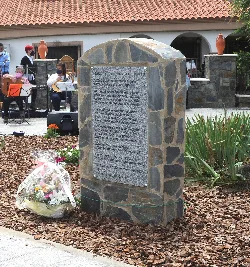
Stone monument with plaque in Ceclavín dedicated to Elisa Herrero Uceda.
CeclavínCáceres

What is the significance of the Monumento a Elisa Herrero Uceda?

The Monumento a Elisa Herrero Uceda in Ceclavín honors the local poet and her contributions to literature. This tribute reflects the village's appreciation for its cultural figures and the importance of preserving local heritage through poetry and the arts.
Monumento a Elisa Herrero Uceda For visitors ›

Torre de Don MiguelCáceres

What are the main attractions in Torre de Don Miguel?

Torre de Don Miguel features several notable attractions, including the majestic Iglesia de Nuestra Señora de la Asunción, a Gothic church with a striking pentagonal head. Additionally, the Ermita del Cristo, built with well-crafted stone, and the reconstructed rollo jurisdiccional symbolize the town's historical significance. The picturesque streets and traditional architecture also enhance its charm.

For visitors ›

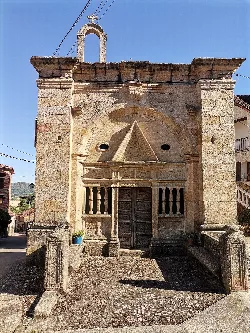
Stone facade of the Cristo Hermitage with decorated portal and small bell tower.
Torre de Don MiguelCáceres

Can you tell me about the Ermita del Cristo?

The Ermita del Cristo is a square-shaped building constructed from well-crafted stone. It is notable for its architectural style and serves as a significant religious site in Torre de Don Miguel. The structure reflects the town's historical and cultural heritage, making it a point of interest for visitors.

Ermita del Cristo For visitors ›

Losar de la VeraCáceres

What are the main attractions in Losar de la Vera?

Losar de la Vera is known for its beautiful gardens, which were established in 1975, and the picturesque Church of Santiago Apóstol. Additionally, the area features several hermitages, such as the Hermita de San Roque and the Hermita de San Isidro, which are significant to local culture and history.

For visitors ›

Losar de la VeraCáceres

What can you tell me about the Church of Santiago Apóstol?

The Church of Santiago Apóstol is a significant landmark in Losar de la Vera, affiliated with the archdiocese of Mérida-Badajoz. It features historical architecture and has been a central place of worship since its construction, reflecting the town's rich cultural heritage.

Iglesia parroquial Santiago Apóstol For visitors ›

Losar de la VeraCáceres

What are the main features of the gardens in Losar de la Vera?

The gardens in Losar de la Vera, established in 1975, are a major tourist attraction. They were designed to beautify the main road and are maintained by local gardeners. The gardens feature a variety of plants and flowers, creating a pleasant environment for visitors and residents alike.

gardens For visitors ›

Losar de la VeraCáceres

What is the significance of the Hermita de San Isidro?

The Hermita de San Isidro is located near the river Tiétar and is dedicated to the patron saint of farmers. It serves as a spiritual site for the local agricultural community, reflecting the town's deep-rooted agricultural traditions and the importance of farming in the region.

Ermita San Isidro For visitors ›

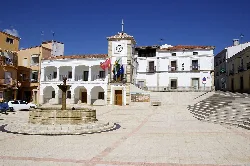
Plaza de España with fountain and building with clock and flags in Logrosán.
LogrosánCáceres

What can I see at Plaza de España in Logrosán?

Plaza de España is a central square in Logrosán, featuring a beautiful fountain and the town hall. It's a great place to relax and enjoy the local atmosphere. The square is often used for community events and gatherings, making it a lively spot for both residents and visitors.

Plaza de España For visitors ›

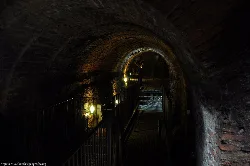
Walkways and brick walls inside the Costanaza mine in Logrosán.
LogrosánCáceres

Can I visit La Mina Costanaza?

Yes, La Mina Costanaza is open for visits, showcasing the town's mining history. You can explore its galleries and learn about the mining activities that took place in the area. The site also includes a center for interpretation, providing insights into the mining heritage of Logrosán.

La Mina Costanaza For visitors ›

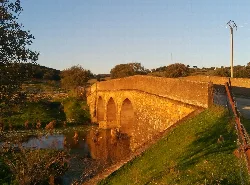
Stone bridge with arches over a river in Alía, Cáceres.
AlíaCáceres

What is the significance of the Puente de Alía?

The Puente de Alía is a notable landmark in the municipality, showcasing the region's historical architecture. It serves as a picturesque reminder of the area's past and is a popular spot for visitors looking to appreciate its scenic beauty.

Puente de Alía For visitors ›

AlíaCáceres

What is the architecture like in Alía?

Alía features traditional architecture characterized by whitewashed houses with patios, designed to cope with the summer heat. Notable structures include the Silo, which was historically used for grain storage and is well-preserved today.

For visitors ›

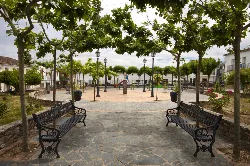
Square with benches, trees, and lampposts in Alía, Cáceres.
AlíaCáceres

What can you tell me about the Plaza Dos Bonillas?

Plaza Dos Bonillas is a central gathering place in Alía, featuring benches and greenery. It's a popular spot for locals and visitors alike, providing a space for relaxation and community events, reflecting the town's social life.

Plaza Dos bonillas For visitors ›

CañameroCáceres

What are the main historical sites to visit in Cañamero?

Cañamero is home to several historical sites, including the ruins of the Castillo de Cañamero, which offers panoramic views of the area. The Cueva Chiquita, known for its prehistoric rock paintings, is another significant site. Additionally, the church dedicated to Santo Domingo de Guzmán reflects the town's religious heritage.

For visitors ›

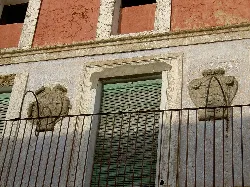
Facade of the Palace of the Carvajal with shields and window in Ibahernando.
IbahernandoCáceres

What can you tell me about the Palacio de los Carvajal in Ibahernando?

The Palacio de los Carvajal is a notable landmark in Ibahernando, showcasing historical architecture. It reflects the town's aristocratic past and is part of the cultural heritage of the area. Although currently abandoned, it represents the historical significance of noble families in the region's development.

Palacio de los Carvajal For visitors ›

IbahernandoCáceres

What are the main features of the church in Ibahernando?

The church in Ibahernando, dedicated to the Degollación de San Juan Bautista, features a unique architectural style with a single nave divided into six sections. It showcases elements from the late 15th and early 16th centuries, including a beautifully crafted portico and significant artistic works inside.

Iglesia parroquial de la Degollación de San Juan Bautista For visitors ›

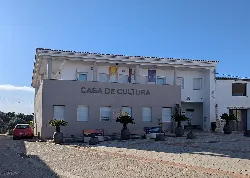
White building with a sign of Casa de Cultura and potted plants at the entrance.
Mata de AlcántaraCáceres

What can I see at the Casa de Cultura in Mata de Alcántara?

The Casa de Cultura serves as a cultural center in Mata de Alcántara, hosting various community events and activities. It is a hub for local culture and education, promoting arts and traditions. Visitors can enjoy exhibitions, workshops, and gatherings that celebrate the region's heritage and community spirit.

Casa de Cultura For visitors ›

Mata de AlcántaraCáceres

What is the significance of the church in Mata de Alcántara?

The church of Santa María de Gracia in Mata de Alcántara is a notable landmark, built with granite and featuring four naves. Its interior houses a significant retablo from the late 16th century and other historical artworks. The church reflects the architectural style of the region and serves as a center for local religious activities.

Santa María de Gracia For visitors ›

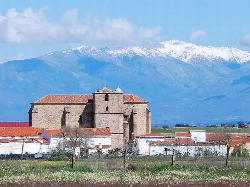
Stone church in Saucedilla with snow-capped mountains.
SaucedillaCáceres

What can I see at the Iglesia San Juan Bautista?

The Iglesia San Juan Bautista, built in the 16th century, features stunning star-shaped ribbed vaults designed by master Sancho de Cabrera. It is a significant historical landmark in Saucedilla, reflecting the architectural style of its time. Visitors can appreciate its unique design and historical importance.

Iglesia San Juan Bautista For visitors ›

Bird swimming in water with green reflections.
SaucedillaCáceres

What is the Torreta de elevación de agua?

The Torreta de elevación de agua is a water elevation tower used for irrigation in Saucedilla. It is a notable feature of the landscape, reflecting the agricultural practices in the area, particularly the use of irrigation to support local farming activities.

Torreta de elevación de agua For visitors ›

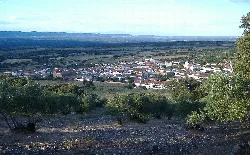
Panoramic view of Talaván with houses and rural landscape.
TalavánCáceres

What can I see from the hill of the Calvary in Talaván?

From the hill of the Calvary, you can enjoy a panoramic view of Talaván and its surrounding landscape. The sight offers a glimpse of the traditional white buildings and the natural beauty of the region, making it a perfect spot for photography and relaxation.

For visitors ›

TalavánCáceres

What are the characteristics of the local architecture in Talaván?

The local architecture in Talaván features traditional whitewashed buildings that reflect the region's cultural heritage. The design often incorporates elements suited to the Mediterranean climate, contributing to the town's charming aesthetic.

For visitors ›

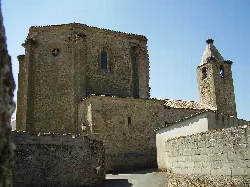
Stone church with tower and bell tower in Torrequemada
TorrequemadaCáceres

What can you tell me about the Iglesia de San Esteban?

The Iglesia de San Esteban, dating from the 16th and 17th centuries, showcases a mix of Renaissance and Baroque styles. Its exterior is irregular due to halted construction and later additions. The church features a rectangular nave with a barrel vault, a prominent octagonal chapel, and two distinct entrances, reflecting its historical and architectural evolution.

Iglesia de San Esteban For visitors ›

View of the church with tower and white houses in Jaraicejo.
JaraicejoCáceres

What is the main church in Jaraicejo?

The main church in Jaraicejo is the Iglesia Parroquial de Nuestra Señora de la Asunción. Built under the direction of Bishop Gutierre de Vargas Carvajal, it features a single Gothic nave and several chapels. The church is notable for its architectural elements made from fine granite and has undergone various restorations throughout the 20th century.

Iglesia Parroquial de Nuestra Señora de la Asunción For visitors ›

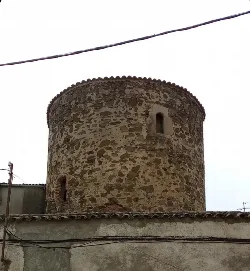
Round stone tower with small windows and a tiled roof in Jaraicejo.
JaraicejoCáceres

What can you tell me about the tower in Jaraicejo?

The tower, or watchtower, in Jaraicejo is a remnant of the old fortress that once stood in the area. It reflects the village's strategic importance during medieval times and offers a glimpse into the historical architecture that characterized the region during its period of conflict.

Tower or watchtower For visitors ›