Sights

3,246 questions

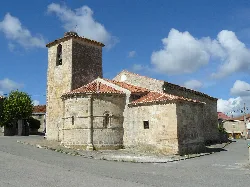
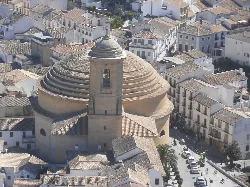
Church of Montefrío with large dome and nearby buildings.
MontefríoGranada

What can I see at the Church of Montefrío?

The Church of Montefrío is notable for its unique architectural style, featuring a large dome and a rectangular layout with two side chapels. Built in the 16th century, it reflects the region's rich history and religious significance. Visitors can appreciate its intricate design and the historical context surrounding its construction.
Church of Montefrío For visitors ›

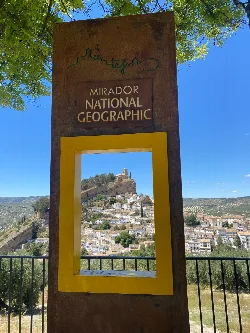
View of Montefrío through a frame at a viewpoint.
MontefríoGranada

What is the best viewpoint in Montefrío?

The Mirador National Geographic is considered one of the best viewpoints in Montefrío. It offers stunning panoramic views of the town and its historic castle, making it a perfect spot for photography and appreciating the beautiful landscape that surrounds this picturesque village.

Mirador National Geographic For visitors ›

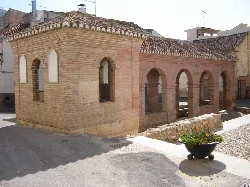
Washing place and fountain of the five spouts in El Padul, with brick arches and a modern fountain.
PadulGranada

What is the significance of the Fuente de los Cinco Caños?

The Fuente de los Cinco Caños, or Fountain of the Five Taps, is a historical landmark in Padul, dating from the 16th to 19th centuries. It served as a vital water source for the community and is a beautiful example of local architecture, reflecting the town's cultural heritage and historical importance.

Fuente de los Cinco Caños For visitors ›

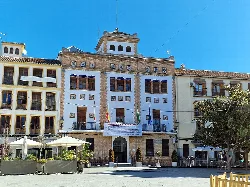
Town hall building in Santa Fe plaza with flags and blue sky.
Santa FeGranada

What is the Ayuntamiento de Santa Fe?

The Ayuntamiento de Santa Fe is the town hall located in the Plaza de España. This neomudéjar style building was constructed in 1931 and features three floors plus an attic. Its façade is adorned with bricks and glazed ceramic plates, showcasing the coats of arms of various Spanish-speaking countries, reflecting the town's historical ties to the Americas.

Ayuntamiento de Santa Fe For visitors ›

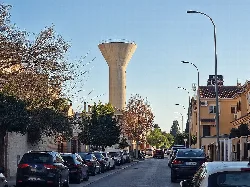
Water Tower seen from Professor Tierno Galván street in Santa Fe.
Santa FeGranada

What is the Torre del Agua in Santa Fe?

The Torre del Agua, also known as the water tower, is a notable structure visible from Calle Profesor Tierno Galván. It serves as a water reservoir and is an important landmark in Santa Fe. The tower's design is functional, reflecting the town's infrastructure needs, and it stands out in the local landscape.

Torre del Agua For visitors ›

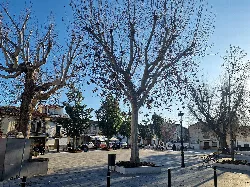
Square with leafless trees, benches, and lampposts in Ogíjares, Granada.
OgíjaresGranada

What can I see in Plaza Alta?

Plaza Alta is a central square in Ogíjares, known for its vibrant atmosphere. It's a great place to relax, socialize, and enjoy local events. The square is surrounded by shops and cafes, making it a perfect spot to experience the local culture and community life.

Plaza Alta For visitors ›

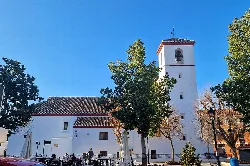
White church with tower and trees in Ogíjares square.
OgíjaresGranada

What is the architectural style of the Iglesia de Nuestra Señora de la Cabeza?

The Iglesia de Nuestra Señora de la Cabeza is a fine example of Mudéjar architecture, built on the site of an old mosque. Constructed in two phases between 1510 and 1553, it features beautiful wooden armatures and a baroque chapel, showcasing the region's rich architectural heritage.

Iglesia de Nuestra Señora de la Cabeza For visitors ›

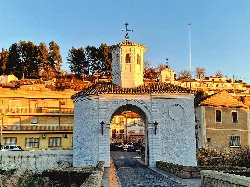
Entrance gate with church and bridge in Pinos Puente, Granada.
Pinos PuenteGranada

What is the significance of the Puente de Pinos Puente?

The Puente de Pinos Puente is a historic bridge with a caliphal origin, serving as a customs point in the past. It played a crucial role in controlling traffic along the route of the caliphate. This bridge not only connects the town but also symbolizes its historical importance in trade and transportation in the region.

Puente de Pinos Puente For visitors ›

Pinos PuenteGranada

What are some notable landmarks in Pinos Puente?

Pinos Puente is home to several notable landmarks, including the archaeological site at Cerro de los Infantes, the Puente de Pinos Puente, and the Church of Nuestra Señora de la Consolación. Additionally, the Centro de Interpretación Colombina highlights the historical meeting between Columbus and Isabel la Católica's emissary.

For visitors ›

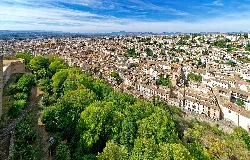
Panoramic view of Granada from the Alhambra with trees and city.
GranadaGranada

What can I see from the Alhambra in Granada?

From the Alhambra, you can enjoy breathtaking views of the entire city of Granada, nestled at the foot of the Sierra Nevada mountains. The panoramic scenery showcases the blend of historical architecture and natural beauty, making it a perfect spot for photography and appreciation of the city's landscape.

Alhambra For visitors ›

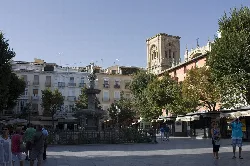
Neptune Fountain in Bib-Rambla Square with trees and historic buildings.
GranadaGranada

What is Plaza de Bib-Rambla known for?

Plaza de Bib-Rambla is a vibrant square in Granada famous for its lively atmosphere and historical significance. It features the Fuente de Neptuno, a beautiful fountain, and is surrounded by cafes and shops. This plaza has been a central gathering place for locals and visitors, often hosting events and markets throughout the year.

Plaza de Bib-Rambla For visitors ›

San Bartolomé Church and chapel in Campisábalos, Guadalajara.
CampisábalosGuadalajara

What can you tell me about the Iglesia de San Bartolomé in Campisábalos?

The Iglesia de San Bartolomé is a notable Romanesque church dating back to the 12th century. It features rural Romanesque architecture and is considered a cultural heritage site, recognized as a Bien de Interés Cultural since 1965. The church is part of two tourist routes: the Ruta del Románico Rural and the Ruta Serranías, highlighting its historical significance and architectural beauty.

Iglesia de San Bartolomé For visitors ›

Anquela del DucadoGuadalajara

What is the significance of the church in Anquela del Ducado?

The church in Anquela del Ducado, dedicated to the Virgen de la Asunción, is a prominent landmark situated on a rocky outcrop. It features elements from its medieval origins and offers stunning views of the surrounding landscape. The church reflects the town's historical and cultural identity.

For visitors ›

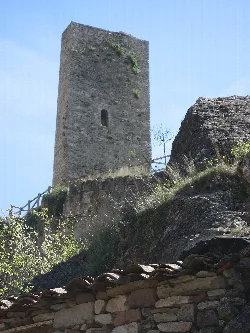
Stone tower in Anguita with vegetation and stone wall in the foreground.
AnguitaGuadalajara

What can you tell me about the Torre de la Cigüeña in Anguita?

The Torre de la Cigüeña is a significant landmark in Anguita, representing an Islamic defensive tower known as a 'hisn'. It is part of a broader system of defensive structures from that era. This tower symbolizes the historical importance of Anguita in terms of its strategic location and heritage.

Torre de la Cigüeña For visitors ›

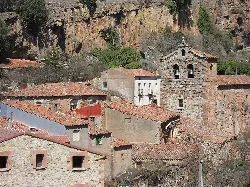
Houses and church in a neighborhood of Anguita, with a cliff in the background.
AnguitaGuadalajara

What are the main features of the church in Anguita?

The church of San Pedro in Anguita is an example of the transition from Romanesque to Gothic architecture. It is located in the barrio of La Hoz and serves as a central place of worship and cultural heritage for the local community, reflecting the town's historical significance.

Iglesia Parroquial de San Pedro For visitors ›

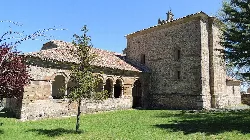
San Bartolomé Church with stone structure and arches.
AtienzaGuadalajara

What can you tell me about the Iglesia de San Bartolomé?

The Iglesia de San Bartolomé, built in the early 13th century, features a square apse and a portico with semi-circular arches. Inside, it houses a notable Baroque altarpiece and a chapel dedicated to Cristo de Atienza. Today, it serves as a museum of sacred art, showcasing various paintings and sculptures.

Iglesia de San Bartolomé For visitors ›

AtienzaGuadalajara

Are there any museums in Atienza?

Yes, Atienza is home to several museums, including the Museum of Sacred Art in the Iglesia de San Bartolomé, which features a significant collection of religious artifacts and fossils. Additionally, the Museum of San Gil showcases local art, while the Museum of the Caballada highlights the town's cultural heritage.

For visitors ›

AtienzaGuadalajara

What are the main attractions in Atienza?

Atienza boasts several attractions, including its medieval castle, the Iglesia de San Bartolomé, and various historical churches. The town's picturesque streets and plazas, such as Plaza de España and Plaza del Trigo, provide a charming atmosphere for exploration.

For visitors ›

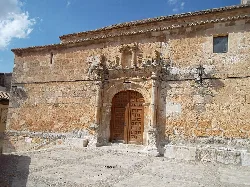
Stone church facade with wooden door and plaque.
LupianaGuadalajara

What is the architectural style of the Iglesia de San Pedro Apóstol?

The Iglesia de San Pedro Apóstol, built in the 16th century, showcases a Gothic style transitioning to Renaissance elements. It features a notable plateresque facade and an intricately designed coffered ceiling in the central nave, making it a significant architectural landmark in Lupiana.

Iglesia de San Pedro Apóstol For visitors ›

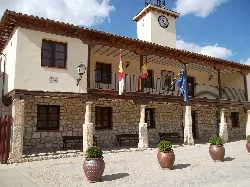
Town hall building with columns, flags, and clock in Lupiana.
LupianaGuadalajara

What is the architectural style of the Ayuntamiento in Lupiana?

The Ayuntamiento, or town hall, of Lupiana is built in a typical Castilian style and dates back to 1766. Its facade features two levels with a stone lower section and a wooden upper loggia, topped with a bell tower, reflecting the traditional architecture of the region.

Ayuntamiento For visitors ›

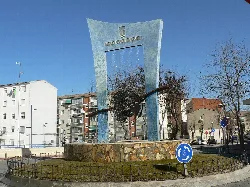
Modern sculpture with metal and stone structure at Azuqueca de Henares station.
Azuqueca de HenaresGuadalajara

What is the significance of the Monumento dedicado a todas las víctimas del terrorismo in Azuqueca de Henares?

The Monumento dedicado a todas las víctimas del terrorismo serves as a memorial for those affected by terrorism. Located at the train station, it symbolizes the community's remembrance and respect for the victims, reflecting the town's commitment to peace and solidarity. This monument is an important part of the local culture and history, reminding residents and visitors alike of the impact of violence on society.

Monumento dedicado a todas las víctimas del terrorismo For visitors ›

TierzoGuadalajara

Can you tell me about the church in Tierzo?

The church in Tierzo, dedicated to the Natividad de la Virgen, was built between the 17th and 18th centuries. It features a simple design with a single nave and a medieval origin, though it underwent significant restorations. Inside, the renacentist altar retablo is notable, housing various statues and paintings. The church also displays a unique ex-voto painting that narrates the tradition of the capirotes of Tierzo, a local pilgrimage.

Iglesia parroquial For visitors ›

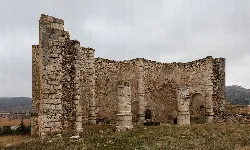
Ruins of a church with walls and columns in Valdearenas.
ValdearenasGuadalajara

What is the white building on the hill in Valdearenas?

The white building on the hill is likely part of the remnants of the church of Nuestra Señora de la Asunción. This historical site has been partially restored and represents the architectural heritage of Valdearenas, though much of it remains in ruins today.

Nuestra Señora de la Asunción For visitors ›

ValdearenasGuadalajara

What traditional architecture can be found in Valdearenas?

Valdearenas features traditional adobe constructions, with the notable exception of the church of Nuestra Señora de la Asunción, which was built of stone. The village's architecture reflects the historical and cultural influences of the region, with many buildings showcasing local styles.

For visitors ›