Sights

3,246 questions

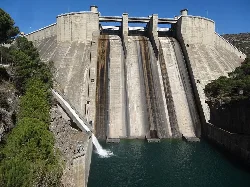
Large concrete dam with water at the base and vegetation on the sides.
El GradoHuesca

What can you tell me about the Presa de El Grado?

The Presa de El Grado is a significant dam located on the river Cinca, near the town of El Grado. It plays a crucial role in the region's water management and hydroelectric power generation. The dam's impressive structure is a popular sight, attracting visitors interested in engineering and nature alike. Its proximity to the town makes it an accessible spot for those looking to enjoy the scenic views of the surrounding landscape.
Presa de El Grado For visitors ›

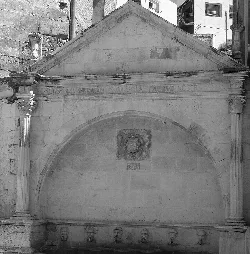
Stone fountain with shields and spouts in Fonz square.
FonzHuesca

What is the significance of the Fuente de Seis Caños in Fonz?

The Fuente de Seis Caños, constructed in 1567, is a significant Renaissance monument in Fonz. It is recognized for its historical and artistic value, showcasing the architectural style of the period. The fountain features six spouts and is inscribed with Latin verses, symbolizing the town's rich cultural heritage and the abundance of water sources in the area.

Fuente de Seis Caños For visitors ›

FonzHuesca

What is the architecture like in Fonz?

Fonz features a mix of civil and religious architecture, with notable examples including the Renaissance church of Nuestra Señora de la Asunción and several palatial homes from the 16th and 17th centuries. The plaza is porticoed and surrounded by noble buildings, reflecting the town's historical significance and architectural heritage.

For visitors ›

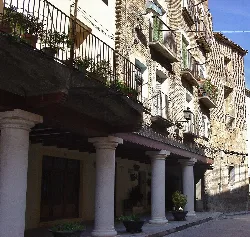
Porticoed square with columns and stone balconies in Fonz.
FonzHuesca

Is there any notable architecture in the plaza of Fonz?

Yes, the plaza in Fonz is notable for its porticoed design and the presence of several Renaissance and Plateresque buildings. It features a cruceta that once stood in the center and is surrounded by historical structures, including the Ayuntamiento and various noble houses, showcasing the town's architectural heritage.

For visitors ›

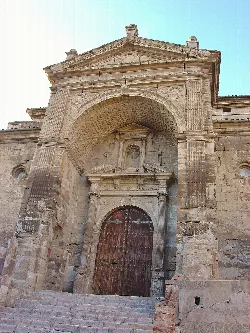
Stone arch entrance of the Fonz church with decorative details above the door.
FonzHuesca

What is the church of Nuestra Señora de la Asunción like?

The church of Nuestra Señora de la Asunción in Fonz is a Renaissance structure built between 1606 and 1617. It features a central nave flanked by two side naves, all adorned with star-shaped vaults. The church's exterior is notable for its grand portal and pórtico, showcasing the architectural style of its time.

Nuestra Señora de la Asunción For visitors ›

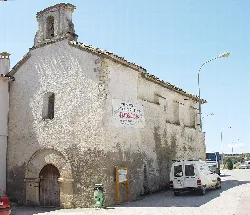
Facade of Santa Anastasia chapel in Tolva, with bell tower and wooden door.
TolvaHuesca

What is the Ermita de Santa Anastasia in Tolva?

The Ermita de Santa Anastasia is a notable chapel located in Tolva, Huesca. It serves as a significant religious site, reflecting the local architectural style and cultural heritage. The chapel is often associated with the local celebrations, particularly those honoring Santa Anastasia, which take place in mid-April, coinciding with Easter festivities.

Ermita de Santa Anastasia For visitors ›

TolvaHuesca

What are some notable landmarks in Tolva?

Tolva features several landmarks of interest, including the Iglesia de Santa María del Puy and the Castillo de Falces. These sites reflect the historical and cultural heritage of the area, contributing to its charm and attracting visitors interested in local history.

For visitors ›

SabiñánigoHuesca

What are the main sights to see in Sabiñánigo?

Sabiñánigo features several notable attractions, including the Casa Abacial, built in 1589, and the church dedicated to San Hipólito from the 17th century. The Museo Ángel Orensanz showcases local heritage, while the reconstructed ábside of Santa María de Gavín offers a glimpse into the region's architectural history. Don't miss the beautiful landscapes surrounding the town, especially the nearby Sierra y Cañones de Guara.

For visitors ›

Archaeological excavations in a covered space with metal structures.
FragaHuesca

What can I see in Villa Fortunatus?

Villa Fortunatus is an archaeological site near Fraga, notable for its well-preserved Roman mosaics. Dating back to the 2nd century, these mosaics are among the most beautiful in Aragón. While some artifacts are housed in museums in Zaragoza and Barcelona, simpler pieces remain at the site, offering a glimpse into Roman life and artistry.

Villa Fortunatus For visitors ›

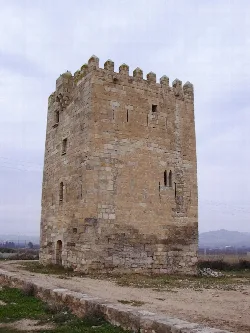
Stone tower with battlements in Fraga, Huesca.
FragaHuesca

What is the Torre dels Frares?

Torre dels Frares is a historical tower located in Fraga. It showcases medieval architecture and serves as a reminder of the city's defensive past. The tower is part of the remnants of Fraga's fortifications, which played a crucial role during various historical conflicts, including battles between Christian and Muslim forces.

Torre dels Frares For visitors ›

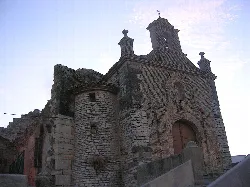
Stone hermitage with tower and cross in Almudévar.
AlmudévarHuesca

What is the Ermita de la Virgen de la Corona?

The Ermita de la Virgen de la Corona is a historic chapel located on the hill of the Castillo in Almudévar. Originally built in the Romanesque style, it underwent significant renovations in the 16th and 18th centuries. The chapel features a star-vaulted ceiling and includes side chapels dedicated to various saints. Its Baroque facade adds to its architectural charm, making it a notable landmark in the area.

Ermita de la Virgen de la Corona For visitors ›

AlmudévarHuesca

What is the Fuente de los Tres Caños?

The Fuente de los Tres Caños is a historical fountain located north of the Almudévar urban area. Constructed from stone, it features a design that includes an abrevadero (trough) for livestock. Although it is currently used only for irrigation, it reflects the town's agricultural heritage and serves as a reminder of the community's past reliance on such water sources.

Fuente de los Tres Caños For visitors ›

MonzónHuesca

What can I see at the Cathedral of Santa María del Romeral?

The Cathedral of Santa María del Romeral, built in the late 12th century, features a Romanesque style with a Latin cross layout. It has undergone several modifications over the centuries, including the destruction of its original cloister. Visitors can admire its three parallel naves, the brick bell tower, and various chapels added between the 15th and 18th centuries.

Cathedral of Santa María del Romeral For visitors ›

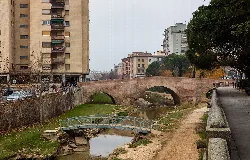
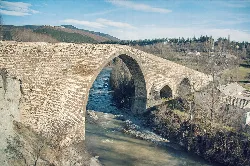
Stone bridge in Monzón with buildings and a small pedestrian bridge.
MonzónHuesca

What is the significance of the Puente Viejo in Monzón?

The Puente Viejo is a medieval pedestrian bridge over the river Sosa, reconstructed in the 18th century after being damaged during the War of Succession. It features three arches and connects the older part of the city to the newer areas. This bridge is the oldest in Monzón and has recently undergone rehabilitation to restore its original structure.

Puente Viejo For visitors ›

MonzónHuesca

What is the Chimenea de la Azucarera?

The Chimenea de la Azucarera is the tallest structure in Monzón, standing at 80 meters. Built between 1923 and 1925, it is located in the central park that once housed the sugar factory. The chimney has been preserved as a historical landmark and is surrounded by various facilities, including a cultural center and a music conservatory.

Chimenea de la Azucarera For visitors ›

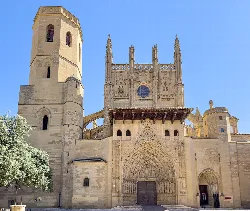
Facade of Huesca Cathedral with Gothic door and towers.
HuescaHuesca

What can you tell me about the Huesca Cathedral?

Huesca Cathedral, known as Catedral de la Transfiguración del Señor, is a stunning Gothic structure built around 1273 on the site of a former mosque. It features intricate carvings on its doorway and a magnificent high altar made of alabaster. The cathedral's construction continued until the 15th century, making it one of northern Spain's architectural gems, with a triple nave and beautiful chapels.

Huesca Cathedral For visitors ›

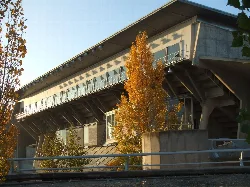
Sports building with autumn trees and modern structure.
HuescaHuesca

What are the main features of the Palacio de los Deportes in Huesca?

The Palacio de los Deportes is a multi-purpose sports arena in Huesca. It hosts various sporting events and activities, serving as a central hub for local sports. Its modern architecture and facilities make it a key venue for the community, contributing to the city's vibrant sports culture.

Palacio de los Deportes For visitors ›

HuescaHuesca

What are the main features of the Church of St. Lawrence?

The Church of St. Lawrence, or Iglesia de San Lorenzo, was built in the 17th and 18th centuries. It is notable for its Baroque architectural style and serves as a significant religious site in Huesca. The church reflects the city's historical and cultural heritage, making it a worthwhile visit for those interested in local architecture.

Church of St. Lawrence For visitors ›

JacaHuesca

What can you tell me about the Ciudadela de Jaca?

The Ciudadela de Jaca, also known as the Castle of San Pedro, is a well-preserved pentagonal fortress built in the late 16th century. It is unique in Europe for its complete structure. Declared a national monument in 1951, it now houses the Museum of Military Miniatures, featuring over 35,000 figures that depict historical battles.

Ciudadela de Jaca For visitors ›

Stone bridge with arches in Jaca, over the Aragón River.
JacaHuesca

What is the significance of the Puente de San Miguel?

The Puente de San Miguel is a medieval bridge over the Aragón River, notable for its monumental architecture and excellent state of preservation. Although the exact construction date is unknown, it is believed to date back to the late medieval period, around the 15th century. It was declared a historical-artistic monument in 1943.

Puente de San Miguel For visitors ›

JacaHuesca

What are the main historical landmarks in Jaca?

Jaca is home to several historical landmarks, including the Cathedral of San Pedro, the Ciudadela de Jaca, and the Torre del Reloj. Each site reflects the city's rich history, from its Romanesque architecture to its military significance during various historical periods, making it a fascinating destination for history enthusiasts.

For visitors ›

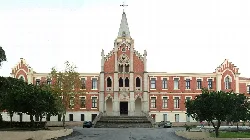
Hospital facade with central tower and trees on the sides.
LinaresJaén

What is the Hospital de los Marqueses de Linares?

The Hospital de los Marqueses de Linares is a notable historical building in Linares, known for its unique architectural style. It was established to provide healthcare services and reflects the city's rich history and commitment to public health. The hospital's design features intricate details that showcase the period's architectural trends, making it a significant landmark in the area.

Hospital de los Marqueses de Linares For visitors ›

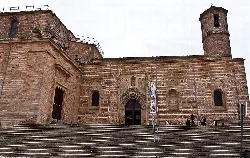
Stone church facade with stairs and tower in Linares.
LinaresJaén

Can you tell me about the Iglesia de Santa María la Mayor?

Iglesia de Santa María la Mayor is a prominent church in Linares, located near the town hall. This historical site showcases a blend of architectural styles and is significant for its cultural heritage. Visitors often admire its beautiful façade and the intricate details within, making it a must-see for anyone interested in the city's history and architecture.

Iglesia de Santa María la Mayor For visitors ›

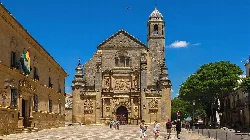
Facade of the Sacra Capilla del Salvador in Úbeda with tower and architectural details.
ÚbedaJaén

What is the Sacra Capilla del Salvador in Úbeda?

The Sacra Capilla del Salvador is a notable Renaissance chapel located in Vázquez de Molina Square. It is recognized for its intricate architectural details and historical significance, being part of the UNESCO World Heritage site that includes the city of Úbeda and nearby Baeza. The chapel reflects the rich cultural heritage and artistry of the period, making it a must-visit for those interested in history and architecture.

Sacra Capilla del Salvador For visitors ›