Sights

3,246 questions

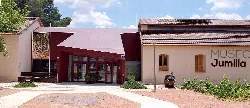
Museum building with modern entrance and facade in Jumilla.
JumillaMurcia

What is the Museo del Vino de Jumilla?

The Museo del Vino de Jumilla is dedicated to the region's winemaking heritage. It showcases the history of viticulture in Jumilla, featuring exhibits on traditional winemaking techniques, the local grape varieties, and the evolution of the wine industry. Visitors can learn about the significance of wine in the culture and economy of Jumilla.
Museo del Vino de Jumilla For visitors ›

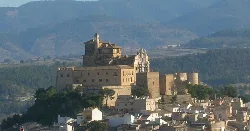
Castle and sanctuary in Caravaca de la Cruz with mountains behind.
Caravaca de la CruzMurcia

What is the significance of the Basilica of Vera Cruz in Caravaca de la Cruz?

The Basilica of Vera Cruz is a central landmark in Caravaca de la Cruz, housing the revered Cross of Caravaca, believed to be a fragment of the True Cross. It is considered the fifth Holy City of Catholic Christianity and hosts a jubilee every seven years, attracting many pilgrims and visitors to its miraculous relic.

Basilica of Vera Cruz For visitors ›

Caravaca de la CruzMurcia

What are some cultural attractions in Caravaca de la Cruz?

Caravaca de la Cruz offers various cultural attractions, including the Museo de la Vera Cruz, the Museo de la Fiesta, and the Museo Arqueológico Municipal la Soledad. These museums showcase the town's rich history, religious significance, and local traditions, enhancing the cultural experience for visitors.

For visitors ›

Castle and sanctuary in Caravaca de la Cruz with mountains behind.
Caravaca de la CruzMurcia

What can you tell me about the Castle of Santa Cruz?

The Castle of Santa Cruz, located in Caravaca de la Cruz, is a historic site with Islamic origins. It houses the Basilica of Vera Cruz and offers stunning views of the town. The castle played a significant role during the Middle Ages and is a key part of the town's architectural heritage.

Castle of Santa Cruz For visitors ›

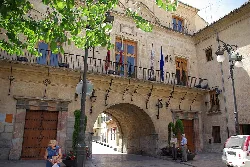
Town hall arch with flags and pedestrians.
Caravaca de la CruzMurcia

What is the architectural style of the City Hall in Caravaca de la Cruz?

The City Hall of Caravaca de la Cruz is designed in the Baroque architectural style. Its original layout was crafted by architect Jaime Bort, and it serves as a significant cultural and administrative building in the town, reflecting its historical importance.

City Hall For visitors ›

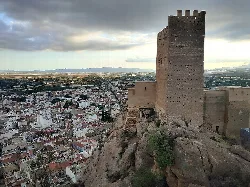
Castle tower on a hill with city view.
Alhama de MurciaMurcia

What can I see from the Castillo de Alhama?

From the Castillo de Alhama, visitors can enjoy stunning panoramic views of the surrounding landscape, including the town of Alhama de Murcia and the fertile Valle del Guadalentín. The castle, perched on a high cliff, offers a strategic vantage point that historically allowed for the observation of approaching threats.

Castillo de Alhama de Murcia For visitors ›

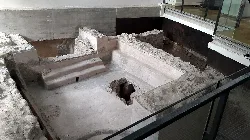
Archaeological remains in an excavation at the museum
Alhama de MurciaMurcia

What is the significance of the Museo Arqueológico Los Baños?

The Museo Arqueológico Los Baños showcases the archaeological heritage of Alhama de Murcia, particularly its Roman and Islamic history. The museum features artifacts and exhibits that highlight the importance of the area's thermal springs and its historical significance as a settlement since ancient times.

Museo Arqueológico Los Baños For visitors ›

Las Torres de CotillasMurcia

What are the main features of the Iglesia de Nuestra Señora de la Salceda?

The Iglesia de Nuestra Señora de la Salceda is a prominent church in Las Torres de Cotillas, dating back to the late 18th century. It has undergone various renovations, with significant work completed in the 19th century. The church features beautiful chapels and a notable image of the patron saint, which was crafted in 1941 by the sculptor Juan González Moreno.

Iglesia de Nuestra Señora de la Salceda For visitors ›

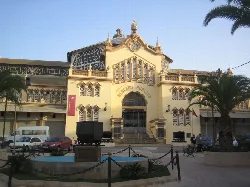
Facade of La Unión public market with modernist details and palm trees around.
La UniónMurcia

What is the Mercado Público de La Unión?

The Mercado Público de La Unión is a modernist building designed by Víctor Beltrí. It serves as a public market and is also the venue for the Festival del Cante de las Minas, a significant cultural event celebrating local music and traditions.

Mercado Público de La Unión For visitors ›

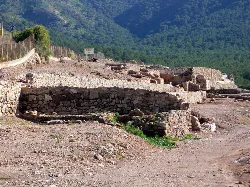
Roman villa ruins in Portmán, La Unión, with green mountains.
La UniónMurcia

What can I see at the archaeological site of Villa del Paturro?

At the archaeological site of Villa del Paturro in Portmán, you can explore the remains of a Roman villa. The site showcases the area's rich history and its significance during the Roman Empire, particularly in mining activities.

Villa del Paturro For visitors ›

Mining tools and ingots displayed in a museum case.
La UniónMurcia

What archaeological items can be found in the Museo Arqueológico de Portmán?

The Museo Arqueológico de Portmán houses various archaeological artifacts, including mining tools and ingots. These items reflect the area's rich mining history and its role in supplying minerals during the Roman Empire.

Museo Arqueológico de Portmán For visitors ›

ArchenaMurcia

What can you tell me about the Balneario de Archena?

The Balneario de Archena is a renowned hot spring spa that has been in use for approximately 2,000 years. It features three hotels, wellness and beauty centers, and ceremonial halls. The Thermal Space covers 3,000 m², set in a natural landscape alongside the Segura River, and includes swimming pools, Jacuzzis, and areas for children.

Balneario de Archena For visitors ›

ArchenaMurcia

What can you see at the local museum in Archena?

The local museum in Archena houses archaeological and historical artifacts from the municipality, including items from the Roman period. It also features a space for temporary exhibitions, making it a key cultural site for visitors interested in the town's history.

local museum For visitors ›

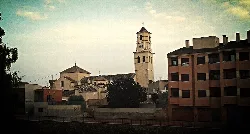
San Agustín Church with tower in Fuente Álamo de Murcia.
Fuente Álamo de MurciaMurcia

What can you tell me about the Iglesia de San Agustín in Fuente Álamo?

Iglesia de San Agustín is a notable church in Fuente Álamo de Murcia, reflecting the town's historical and cultural significance. It serves as a focal point for the community and is dedicated to San Agustín, the town's patron saint. The church has a rich architectural style and is often visited by locals and tourists alike, especially during religious festivities.

Iglesia de San Agustín de Fuente Álamo For visitors ›

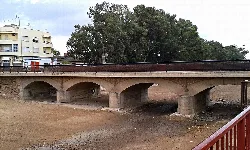
Stone bridge with three arches in Fuente Álamo de Murcia.
Fuente Álamo de MurciaMurcia

What is the Puente Viejo in Fuente Álamo?

Puente Viejo, also known as Puente de San Francisco, is a historic bridge in Fuente Álamo. It showcases traditional architecture and serves as a reminder of the town's historical infrastructure. The bridge is not only functional but also a picturesque spot for visitors to appreciate the surrounding landscape and local history.

Puente Viejo o de San Francisco en Fuente Álamo For visitors ›

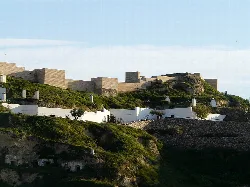
Castle on the hilltop and cave houses in the foreground in Puerto Lumbreras
Puerto LumbrerasMurcia

What are the Casas Cueva and why are they unique?

The Casas Cueva, located near the Castillo de Nogalte, are the only visitable cave houses in the Region of Murcia. They originated from the population growth in the 18th century and have been recently restored and themed to showcase the cultural heritage of Puerto Lumbreras, providing insight into traditional living conditions.

Casas Cueva For visitors ›

Puerto LumbrerasMurcia

What is the Casa-Museo de las Cofradías?

The Casa-Museo de las Cofradías, inaugurated in 2012, is located on Francisco Tirado Street. It showcases items related to the Semana Santa traditions in Puerto Lumbreras and serves as the headquarters for the local brotherhoods that participate in the Easter processions, reflecting the town's rich cultural heritage.

Casa-Museo de las Cofradías For visitors ›

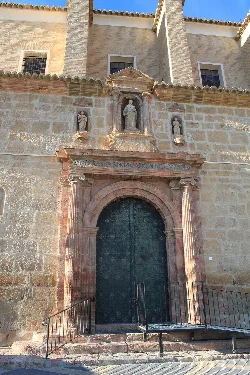
Stone facade with portal and sculptures at Santo Domingo Church, Mula.
MulaMurcia

What can you tell me about the Church of Santo Domingo in Mula?

The Church of Santo Domingo features a stunning Renaissance façade and is a notable landmark in Mula. It is known for its rich history and architectural beauty. The church has been a significant religious site, and its exterior showcases intricate designs, making it a popular spot for visitors interested in culture and history.

Santo Domingo For visitors ›

MulaMurcia

What historical sites can I visit in Mula?

Mula boasts several historical sites, including the Castle of the Vélez Family and the archaeological site of El Cigarralejo. These sites offer insight into the town's rich history, showcasing remnants from the Roman, Muslim, and medieval periods, making Mula a fascinating destination for history enthusiasts.

For visitors ›

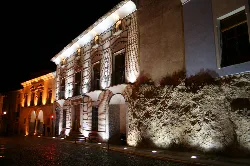
Historic building with night lighting in Cehegín.
CehegínMurcia

What is the Palacio de los Fajardo?

The Palacio de los Fajardo is a significant historical building in Cehegín. It reflects the architectural style and cultural heritage of the region. The palace is part of the town's rich history, showcasing the influence of noble families in the area. It is an important landmark for visitors interested in the local history and architecture.

Palacio de los Fajardo For visitors ›

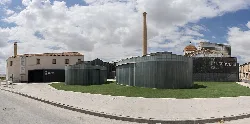
La Conservera building in Ceutí with curved metal shapes and cloudy sky.
CeutíMurcia

What can I find at La Conservera in Ceutí?

La Conservera is a contemporary art space in Ceutí that showcases various exhibitions and cultural events. It is housed in a former factory, reflecting the town's industrial heritage. Visitors can explore innovative art installations and participate in workshops or events hosted at this unique venue.

La Conservera For visitors ›

FortunaMurcia

What are the main attractions in Fortuna?

Fortuna is known for its thermal waters, particularly at the Balneario de Leana, which dates back to Roman times. Visitors can explore the archaeological sites like the Santuario Romano de los Baños and the Cueva Negra. The town also boasts beautiful natural areas, including the Parque Regional de la Sierra de la Pila, and hosts vibrant festivals such as the Fiestas de Sodales Íbero-romanos in August.

For visitors ›

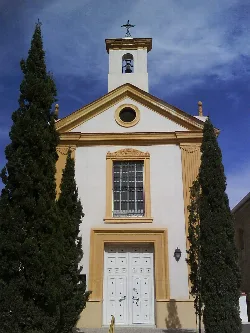
Facade of a church with white door and two cypresses on sides in Fortuna, Murcia.
FortunaMurcia

Can you tell me about the Iglesia Parroquial de la Purísima Concepción?

The Iglesia Parroquial de la Purísima Concepción is a Baroque church located in the central plaza of Fortuna. Built between 1728 and 1744, it has undergone several restorations, the latest in 1998. The church houses the image of the town's patron saint, the Purísima Concepción, dating back to 1690.

Iglesia Parroquial de la Purísima Concepción For visitors ›

AlguazasMurcia

What can you tell me about the Torre de los Moros?

The Torre de los Moros, also known as the Old Tower or the Bishop's Tower, dates back to the early 12th century. It was built on a Muslim cemetery and served as a military refuge and prison for bishops. Despite suffering damage over the years, it has been partially restored and now houses a small ethnological museum.

Torre de los Moros For visitors ›