
Food & drink

426 questions

Ventosa de la CuestaValladolid

What are the main agricultural products in Ventosa de la Cuesta?

Agriculture in Ventosa de la Cuesta primarily focuses on dryland crops, including cereals like wheat and barley, as well as vineyards. The region is known for its wine production, particularly within the Rueda designation of origin, which contributes to the local economy.
For residents ›

Corrales de DueroValladolid

What are the main agricultural products of Corrales de Duero?

Corrales de Duero primarily relies on agriculture and livestock. The region is known for sheep farming, as well as cattle and pig rearing. Historically, vineyards and fruit orchards were significant, although their prominence has declined. The local economy also benefits from traditional crafts and services.

For residents ›

Moraleja de las PanaderasValladolid

What are the main economic activities in Moraleja de las Panaderas?

The economy of Moraleja de las Panaderas has traditionally relied on agriculture and livestock. Key crops include wheat, barley, and legumes, with a focus on the candeal variety of wheat. Additionally, pine cultivation has played a role in the local economy, particularly for resin extraction until the 1960s when synthetic alternatives became available.

For residents ›

SestaoBiscay

What is the main economic activity in Sestao today?

Today, Sestao's economy is primarily driven by the steel industry, with ArcelorMittal Sestao being a key player. Although the town has diversified its economy over recent years, industrial activities remain significant. Additionally, the service sector, including commerce and hospitality, contributes to local employment and economic stability.

For residents ›

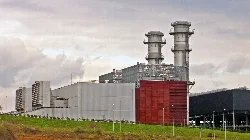
Energy plant with chimneys and metal structures in Amorebieta.
Amorebieta-EtxanoBiscay

What are the main economic activities in Amorebieta-Etxano?

The economy of Amorebieta-Etxano is significantly supported by the Central térmica de Boroa, which is a major source of electricity in the region. Additionally, the municipality has a history of various industries, including ironworks and agriculture, contributing to its economic diversity.

For residents ›

OndarroaBiscay

What can you tell me about the fishing industry in Ondarroa?

Fishing has been the mainstay of Ondarroa's economy since its founding, making it one of the most important fishing ports in the Cantabrian Sea. By the 19th century, the town had a fleet of 18 deep-sea fishing boats, and its fishing industry continues to thrive today, adapting to modern technologies and practices.

For residents ›

Markina-XemeinBiscay

What is the significance of the Universidad de la Pelota?

The Universidad de la Pelota in Markina-Xemein is renowned for producing exceptional pelotaris, athletes who play the traditional Basque sport of pelota. The municipal frontón is a key venue for this sport, reflecting the town's deep-rooted cultural heritage and its importance in the world of pelota.

For residents ›

AtxondoBiscay

What are the main agricultural products in Atxondo?

In Atxondo, agriculture and livestock farming are key to the local economy. The region primarily produces beef and dairy, along with some sheep and goat farming. Due to the challenging terrain, large-scale agriculture is limited, focusing instead on small-scale production for local markets.

For residents ›

TábaraZamora

What are the main agricultural products of Tábara?

Tábara has a strong agricultural tradition, with the main products being wheat, rye, legumes, and various vegetables. The fertile lands surrounding the town support these crops, and local markets often feature fresh produce, reflecting the community's agricultural heritage.

For residents ›

Camarzana de TeraZamora

What are the main agricultural products in Camarzana de Tera?

Camarzana de Tera's economy is primarily agricultural and livestock-based. Traditional practices include the cultivation of cereals like wheat and barley, as well as vineyards that produce local wines. The community also participates in seasonal activities like the matanza del cerdo, which showcases their culinary heritage and agricultural traditions.

For residents ›

Camarzana de TeraZamora

What traditional foods are associated with the matanza del cerdo?

The matanza del cerdo, or pig slaughter, is a traditional event in Camarzana de Tera that involves the entire family. It produces various dishes, including chorizo made with pork, paprika, and spices. Additionally, dishes like roasted liver and cuscarones, a sweet made from pork fat and honey, are staples during this time.

For residents ›

Morales de ReyZamora

What are the main agricultural products of Morales de Rey?

Morales de Rey's economy is primarily agricultural, benefiting from its fertile valley. Key crops include corn, potatoes, and sugar beets, which contribute vibrant greenery to the landscape during spring and summer. The area is also known for its historic wineries, some of which have been in operation for centuries.

For residents ›

PereruelaZamora

What is the significance of the local pottery?

The pottery of Pereruela is highly regarded nationally, particularly known for its cazuelas and other clay products. The local clay, rich in quartz and mica, is ideal for high-temperature cooking. This craft has been a vital part of the town's identity, with traditions passed down through generations.

For residents ›

Carbajales de AlbaZamora

What makes the traditional Carbajalino costume unique?

The traditional Carbajalino costume is renowned for its vibrant colors and intricate embroidery, which has roots dating back to the 16th century. It incorporates various materials and techniques, showcasing the region's rich textile heritage and cultural identity, making it a significant emblem of local craftsmanship.

For residents ›

Almeida de SayagoZamora

What are the main agricultural products in Almeida de Sayago?

Almeida de Sayago primarily focuses on agropecuary activities, with key crops including barley, rye, wheat, and oats. The area also supports livestock farming, particularly cattle and sheep. The local agriculture is characterized by low yields due to soil conditions, but it remains a vital part of the community's economy.

For residents ›

Pajares de la LampreanaZamora

What are the main agricultural activities in Pajares de la Lampreana?

The economy of Pajares de la Lampreana is predominantly agricultural, focusing on traditional wheat production. Additionally, livestock farming is significant, with sheep, dairy cows, and pigs being raised. Many residents are retired, but agriculture remains a key part of the community's identity and livelihood.

For residents ›

AsturianosZamora

How is the local economy in Asturianos?

Asturianos' economy is primarily based on agriculture and livestock, with an increasing focus on tourism. The area attracts visitors due to its natural beauty and proximity to attractions like the Lago de Sanabria, leading to the development of rural tourism and hospitality services.

For residents ›

Vadillo de la GuareñaZamora

What types of crops are grown in Vadillo de la Guareña?

Vadillo de la Guareña primarily cultivates dryland cereals like wheat and barley, alongside vineyards that contribute to local wine production. Additionally, some irrigated crops such as legumes and vegetables are grown. The agricultural practices reflect the region's climate and soil conditions, emphasizing sustainability and adaptation to local resources.

For residents ›

TorregamonesZamora

What are the main agricultural products in Torregamones?

Torregamones primarily engages in agriculture and livestock farming. Key crops include cereals like wheat, barley, and rye, as well as vegetables and legumes such as potatoes and chickpeas. The area also supports livestock farming, particularly sheep and cattle, contributing to the local economy.

For residents ›

Alfaraz de SayagoZamora

What are the main agricultural activities in Alfaraz?

Agriculture is a key economic activity in Alfaraz de Sayago, with a balance between arable land and pasture. The primary livestock raised includes cattle and sheep. The region's products benefit from various designations of origin, enhancing their value and marketability.

For residents ›

Vallesa de La GuareñaZamora

What are the main agricultural activities in Vallesa?

The economy of Vallesa de La Guareña is primarily based on traditional agriculture and livestock farming. The region is known for its cereal crops, legumes, and vineyards, reflecting its agricultural roots and practices.

For residents ›

Ejea de los CaballerosZaragoza

What is the main agricultural product of Ejea de los Caballeros?

Ejea de los Caballeros is known for its significant agricultural output, particularly cereals and sugar beets. The modernization of irrigation systems, especially with the construction of the Bardenas Canal, has greatly enhanced agricultural productivity in the region, making it a vital area for farming.

For residents ›

ZueraZaragoza

What are the main agricultural products in Zuera?

Zuera's economy is primarily based on agriculture, with significant production of maize, alfalfa, wheat, and various vegetables. The fertile lands benefit from irrigation systems fed by the Gállego River, supporting a diverse range of crops that contribute to the local economy and food culture.

For residents ›

AlagónZaragoza

What are the main agricultural products in Alagón?

Alagón's economy is primarily based on agriculture, with significant production of vegetables, fruits, and cereals like wheat and corn. The fertile lands of the region, aided by irrigation from local rivers, support diverse farming activities, making agriculture a vital part of the community's livelihood.

For residents ›