
Food & drink

1,552 questions

OnísAsturias

What local food should I try in Onís?

In Onís, you should definitely try the famous Queso de Gamonéu, a cheese that has gained recognition and is protected under a Denomination of Origin. The region's agricultural practices also support a variety of local dishes that highlight the area's rich culinary traditions, often featuring fresh, locally-sourced ingredients.
For visitors ›

NavaAsturias

What are the main agricultural activities in Nava?

Nava's economy is largely based on agriculture, with a focus on livestock farming and the cultivation of forage crops and maize. The region's lush pastures and favorable climate contribute to its reputation as a center for dairy production, particularly cider, which is integral to local culture and cuisine.

For residents ›

El FrancoAsturias

What are the main economic activities in El Franco?

El Franco's economy is primarily based on agriculture and livestock, with a significant focus on dairy production. In recent decades, there has been a notable increase in the construction and service sectors, reflecting a shift towards a more diversified economy. This change has been essential for the region's development and sustainability.

For residents ›

AllandeAsturias

What are the main agricultural practices in Allande?

Agriculture in Allande has shifted over time, with a focus now on livestock farming, primarily cattle. Traditional crops have declined, but some areas still engage in subsistence farming, particularly for personal use.

For residents ›

CarreñoAsturias

What is the local cuisine like in Carreño?

Carreño's local cuisine is heavily influenced by its coastal location, featuring fresh seafood prominently. The region is particularly known for its sardines, celebrated during the Jornadas Gastronómicas de la Sardina. Traditional Asturian dishes, including cider and hearty stews, also reflect the area's culinary heritage.

For visitors ›

Cangas del NarceaAsturias

What are the main economic activities in Cangas del Narcea?

Cangas del Narcea's economy is diverse, with significant contributions from agriculture, livestock, and mining, particularly antracite coal. The town serves as a commercial and service hub for the surrounding region. Recently, tourism has gained importance, with attractions like the Monasterio de Corias and the natural beauty of Muniellos drawing visitors, helping to sustain the local economy.

For residents ›

Peñamellera AltaAsturias

What can you tell me about the food in Peñamellera Alta?

Peñamellera Alta is known for its traditional gastronomy, particularly the production of Peñamellera cheese, which has a rich history. The region also boasts delicious salmon from the Cares River and renowned honey used in desserts. Sidra is the traditional beverage enjoyed by locals.

For visitors ›

LlaneraAsturias

What types of food are popular in Llanera?

Llanera is known for its culinary offerings, particularly dishes featuring local ingredients. Traditional foods include bacalao (cod) and various dishes made from fresh produce and carne roxa (red meat). The region also hosts gastronomic events that celebrate these local specialties, enhancing its culinary reputation.

For visitors ›

SieroAsturias

What kind of food is typical in Siero?

Siero's cuisine features traditional Asturian dishes, with a strong emphasis on dairy products, particularly cheese. The region is known for its rich culinary heritage, including hearty stews and local meats. Visitors can explore various restaurants and markets to sample authentic Asturian flavors.

For visitors ›

SalasAsturias

How is the food scene in Salas?

Salas offers a delightful food scene, showcasing traditional Asturian cuisine. Visitors can enjoy local dishes such as fabada asturiana (bean stew), fresh seafood, and artisanal cheeses. The town's restaurants often feature seasonal ingredients, providing a taste of the region's rich culinary heritage. Don't miss trying the local cider, a staple in Asturias.

For visitors ›

NoreñaAsturias

How is the food scene in Noreña?

Noreña boasts a rich culinary tradition, particularly known for its meat products. The town is famous for dishes like callos, adobo, and fabada. The local industries have established a reputation for quality, and the town hosts various food festivals that celebrate its gastronomic heritage, making it a delightful destination for food lovers.

For visitors ›

A VeigaAsturias

How is the local cuisine in Vegadeo?

Vegadeo's cuisine is characterized by traditional Asturian dishes, emphasizing local ingredients. Dairy products, especially cheese, and meat from local livestock are staples. The town's proximity to the coast also means seafood features prominently. Visitors can enjoy hearty meals that reflect the region's agricultural and maritime heritage.

For visitors ›

PiloñaAsturias

What types of food can I expect in Piloña?

In Piloña, traditional Asturian cuisine is prominent, featuring dishes like fabada asturiana (bean stew) and various types of cheese, particularly Cabrales. The region is also known for its cider, made from local apple varieties, which is a staple in many meals and social gatherings.

For visitors ›

GozónAsturias

Can you tell me about the local cuisine in Gozón?

Gozón's cuisine is heavily influenced by its coastal location, featuring fresh seafood such as anchovies, sardines, and the famous bonito. Traditional dishes often include stews and grilled fish, and local festivals highlight these culinary delights, offering visitors a taste of Asturian flavors.

For visitors ›

Samartín del Rei AurelioAsturias

What are the main economic activities in San Martín del Rey Aurelio?

Historically, mining was the primary economic activity in San Martín del Rey Aurelio. However, the sector has declined, and now the tertiary sector, including services, commerce, and some technology companies, has become more prominent.

For residents ›

CudilleroAsturias

What is the main economic activity in Cudillero?

Cudillero's economy is primarily based on agriculture and fishing, although tourism has been growing in recent years. The town's rich maritime history has shaped its economic landscape, with fishing once being a dominant industry, now complemented by the influx of visitors.

For residents ›

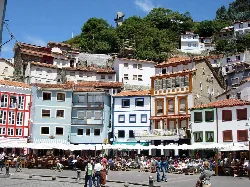
Colorful houses in Cudillero's port with tourists on the terrace.
CudilleroAsturias

What are the best places to eat seafood in Cudillero?

Cudillero is famous for its seafood, and many restaurants along the waterfront offer fresh catches from the local waters. Visitors can enjoy traditional dishes featuring fish and shellfish, making it a culinary delight for seafood lovers.

For visitors ›

MieresAsturias

What are some traditional dishes from Mieres?

Mieres is known for its rich culinary heritage, including the famous queso de Urbiés, one of the strongest cheeses in Asturias. Traditional dishes often feature local ingredients, and popular desserts include casadiellas fritas and rosquillas supremas de Mieres. Sidra, or cider, is also a staple in the region's gastronomy, complementing many meals.

For visitors ›

IbiasAsturias

What types of traditional crafts are found in Ibias?

Ibias is known for its traditional woodcraft, particularly the work of cunqueiros, who make wooden bowls and utensils. Additionally, artisans known as cesteiros weave baskets from chestnut and hazel strips. These crafts reflect the region's cultural heritage and connection to its natural resources.

For residents ›

IbiasAsturias

What are the main agricultural products in Ibias?

Agriculture in Ibias traditionally focuses on livestock, particularly sheep and goats, and crops like rye and potatoes. Rye is especially significant, as it has historically been used for bread-making and roofing materials. The region also maintains a tradition of viticulture, with notable wineries in Cecos.

For residents ›

VillayónAsturias

What is the main economic activity in Villayón?

Villayón's economy is primarily based on the primary sector, with 76.52% of its activities focused on livestock farming, particularly dairy production. The secondary sector is relatively small, while services account for about 15.29% of the economy, including hospitality and healthcare.

For residents ›

LlavianaAsturias

What traditional food should I try in Laviana?

When visiting Laviana, you should try the traditional dish of cabrito con patatines, often served during local gastronomic events. This dish reflects the region's culinary heritage and is a favorite among locals.

For visitors ›

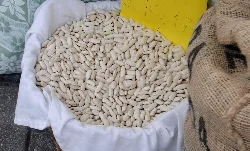
White beans in a sack in Pravia, Asturias.
PraviaAsturias

How is the local cuisine in Pravia?

Pravia is known for its culinary specialties, particularly the Fabes de la Granja, a type of white bean that is a staple in Asturian cuisine. These beans are often used in traditional dishes and are celebrated during local food festivals, highlighting the region's agricultural heritage.

For visitors ›

CastropolAsturias

What is the local cuisine like in Castropol?

Castropol's local cuisine features fresh seafood, particularly from the Ría del Eo, including oysters and clams. Traditional Asturian dishes, such as fabada (bean stew) and various fish preparations, are also popular. Visitors can enjoy these local flavors in the town's restaurants and eateries.

For visitors ›