
Food & drink

1,552 questions

Cangues d'OnísAsturias

What is the local economy of Cangas de Onís based on?

The local economy of Cangas de Onís primarily relies on tourism, with many visitors attracted to the nearby Santuario de Covadonga and the Picos de Europa National Park. This influx of tourists supports local businesses and contributes significantly to the town's economic activity.
For residents ›

AllerAsturias

What traditional foods should I try in Aller?

In Aller, you should try traditional Asturian dishes such as fabada asturiana, a hearty bean stew, and local cheeses like Cabrales. The region is also known for its rich dairy products and meats, particularly from the parda alpina cattle. Don't miss out on sampling the local cider, which is an integral part of Asturian cuisine.

For visitors ›

BualAsturias

What is the local cuisine like in Boal?

Boal's cuisine features traditional dishes made from local agricultural products, including meat pies and dishes with collard greens. Honey is also a significant ingredient, reflecting the municipality's apiculture heritage.

For visitors ›

ColungaAsturias

What are some local dishes I should try in Colunga?

In Colunga, you should try traditional Asturian dishes such as fabada asturiana, a rich bean stew, and fresh seafood from the Cantabrian Sea. The region is also known for its cider, which pairs well with local cuisine, making for a delightful culinary experience.

For visitors ›

MorcínAsturias

What are the main economic activities in Morcín?

Morcín's economy is primarily based on agriculture and mining, particularly coal extraction. The region has a rich mining history, with coal from the Monsacro mine being of high quality. Additionally, the area is known for its livestock and traditional farming practices, contributing to its rural economy.

For residents ›

CastrillónAsturias

What can you tell me about the food in Castrillón?

Castrillón offers a variety of local cuisine, heavily influenced by its coastal location. Seafood is a highlight, with dishes featuring fresh fish and shellfish being popular. Additionally, traditional Asturian dishes, such as fabada, can be enjoyed in local restaurants.

For visitors ›

TinéuAsturias

What are the main agricultural products of Tineo?

Tineo is one of the largest milk producers in Asturias, with a strong agricultural sector. The region's landscape supports dairy farming, and local products like Chosco, a type of sausage, are notable culinary specialties.

For visitors ›

RibadedevaAsturias

What are some local dishes I should try in Ribadedeva?

While specific dishes are not detailed, Ribadedeva's cuisine typically features seafood, given its coastal location. Dishes such as fresh fish and shellfish are common, alongside traditional Asturian fare like fabada (bean stew) and local cheeses. Exploring local restaurants will reveal a variety of regional specialties.

For visitors ›

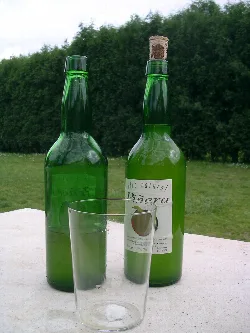
Bottles of natural cider and a glass in a countryside setting with trees.
VillaviciosaAsturias

How is the local cider in Villaviciosa?

Villaviciosa is renowned for its high-quality cider, particularly from local producers like Llagar Piñera. The region's climate and abundance of apple orchards contribute to the unique flavor of the cider, making it a must-try for visitors and a staple in local cuisine.

For visitors ›

TebergaAsturias

What types of food can I try in Teverga?

In Teverga, visitors can enjoy traditional Asturian cuisine, including dishes like pote de berzas, picadillo, and arroz con leche. The region also hosts a gastronomic festival in November, where local specialties are celebrated, offering a taste of the area's culinary heritage. Local ingredients often reflect the agricultural practices of the region.

For visitors ›

Grandas de SalimeAsturias

What is the local cuisine like in Grandas de Salime?

The local cuisine of Grandas de Salime reflects traditional Asturian flavors, emphasizing local ingredients like dairy, meats, and seasonal produce. Dishes often include hearty stews, cheeses, and local fruits, particularly blueberries from recent fruit cultivation efforts. Community festivals also showcase regional specialties, offering a taste of local culture.

For visitors ›

Belmonte de MirandaAsturias

What types of local food can I try in Belmonte de Miranda?

In Belmonte de Miranda, visitors can enjoy traditional Asturian cuisine, which includes dishes like fabada asturiana (a hearty bean stew), various cheeses, and locally sourced meats. The region's natural resources also provide fresh fish, particularly trout from the rivers, making for a delightful culinary experience.

For visitors ›

DegañaAsturias

What types of food are typical in Degaña?

Degaña's cuisine reflects its rural roots, with traditional dishes often featuring locally sourced ingredients. Common foods include hearty stews, game meats, and dairy products. The region is also known for its wines, particularly those produced under the DOP Vino de Cangas, although local production is mainly for personal consumption.

For visitors ›

Santa Eulalia de OscosAsturias

What type of food can I expect in Santa Eulalia de Oscos?

In Santa Eulalia de Oscos, traditional Asturian cuisine is prevalent, featuring local ingredients. Expect dishes like fabada asturiana, ciders, and seasonal specialties such as roasted chestnuts during the Magosto festival. Local restaurants often serve these traditional meals, enhancing the culinary experience.

For visitors ›

Ribera de ArribaAsturias

What is the main industry in Ribera de Arriba?

The primary industry in Ribera de Arriba is centered around the thermal power station, which significantly influenced the local economy since its establishment in 1962. Additionally, the Mantequería de Arias, an old dairy factory, is another key employer in the area, contributing to the municipality's economic landscape.

For residents ›

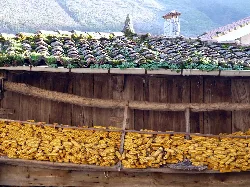
Wooden hórreo with drying corn cobs in front.
SomiedoAsturias

What is the significance of the hórreo in Somiedo?

The hórreo is a traditional granary unique to Asturias, and in Somiedo, it reflects the agricultural heritage of the region. These structures, often built on stilts, were used to store corn and protect it from moisture and pests. The hórreo is an iconic symbol of local culture, showcasing the adaptation of architecture to the environment.

For visitors ›

SomiedoAsturias

What are the main agricultural products of Somiedo?

Somiedo's agriculture primarily revolves around cattle farming, particularly for meat production. The region is also known for its cultivation of maize and potatoes, introduced in the 17th and 18th centuries, respectively. These crops have become integral to local cuisine and agricultural practices, supporting the community's economy.

For residents ›

TaramundiAsturias

What traditional foods should I try in Taramundi?

When visiting Taramundi, be sure to try the local specialties such as 'Pan de Taramundi', artisanal cheeses made from cow, sheep, and goat milk, and homemade jams. The region is also known for its traditional cider and liqueurs, which reflect the local agricultural practices and culinary traditions.

For visitors ›

QuirósAsturias

What local food should I try in Quirós?

In Quirós, traditional Asturian cuisine is prominent, featuring dishes like fabada asturiana (bean stew), cider, and local cheeses. The region's agricultural practices, particularly livestock farming, contribute to the quality of its meat and dairy products, making them a must-try for visitors.

For visitors ›

ProazaAsturias

What local dishes should I try in Proaza?

When visiting Proaza, be sure to try local specialties such as the famous pote de nabos, a hearty stew made with turnips, and various traditional sausages. The region is also known for its high-quality apples, which are used in making the local cider, a staple of Asturian cuisine.

For visitors ›

SobrescobioAsturias

What traditional food can I try in Sobrescobio?

In Sobrescobio, you can try local specialties like 'Pitu de Caleya,' a traditional chicken dish, along with regional dishes such as truchas (trout) and various traditional desserts. The area also hosts gastronomic events showcasing these culinary delights.

For visitors ›

Yernes y TamezaAsturias

What are some traditional dishes from Yernes y Tameza?

The local cuisine of Yernes y Tameza is rich in traditional dishes, featuring ingredients such as vegetables, meats, and stews. Notable foods include cocidos, chorizos, and jamón, as well as eggs from free-range chickens known as 'pita de caleya'. These dishes reflect the agricultural heritage of the region.

For visitors ›

Santo AdrianoAsturias

What types of cuisine can I expect in Santo Adriano?

In Santo Adriano, traditional Asturian cuisine is prominent, featuring hearty dishes often centered around local ingredients. Expect to find specialties like fabada asturiana, a rich bean stew, and various meat dishes, particularly those using locally raised cattle, such as the Asturiana de los Valles breed.

For visitors ›

RiosaAsturias

Are there any traditional foods I should try in Riosa?

In Riosa, traditional Asturian cuisine features dishes like fabada asturiana, a rich bean stew, and various types of cheeses, particularly Cabrales. The region is also known for its cider, a staple of Asturian culture. Exploring local eateries will give you a taste of the authentic flavors that define this mountainous area.

For visitors ›