Sights

3,246 questions

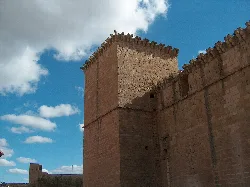
Stone castle tower and walls in Mora de Rubielos.
Mora de RubielosTeruel

What is the significance of the Castillo de Mora de Rubielos?

The Castillo de Mora de Rubielos, dating back to 1198, combines military and residential architecture. It features elements from the Romanesque and Gothic periods, showcasing its historical evolution. Today, it houses the Museo Etnológico and serves as a cultural venue, reflecting its ongoing importance in the community.
Castillo de Mora de Rubielos For visitors ›

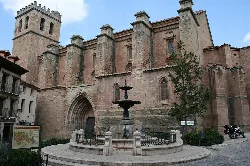
Gothic church façade with fountain in front.
Mora de RubielosTeruel

What can you tell me about the Iglesia ex-colegiata in Mora de Rubielos?

The Iglesia ex-colegiata, a Gothic temple from the mid-14th century, is notable for its unique architectural features, including a wide nave and intricate vaulting. It has a rich history, having served various purposes during the Civil War, and was declared a National Monument in 1944 due to its artistic value.

Iglesia ex-colegiata Mora de Rubielos For visitors ›

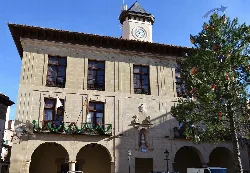
Town hall building with clock and decorated Christmas tree.
Mora de RubielosTeruel

What is the architectural style of the Ayuntamiento in Mora de Rubielos?

The Ayuntamiento of Mora de Rubielos is designed in the Herrerian style, characterized by its solid and geometric façade. Built in the 17th century, it reflects the town's historical architecture with its robust structure and simple moldings, making it a notable landmark in the area.

Ajuntament For visitors ›

Mora de RubielosTeruel

What are the main features of the Ermita de Loreto?

The Ermita de Loreto, built in 1547 and renovated in 1798, features a single nave with a semicircular apse and a barrel vault. Its simple yet elegant design reflects the architectural style of the period, making it an important religious site in Mora de Rubielos.

Ermita de Loreto For visitors ›

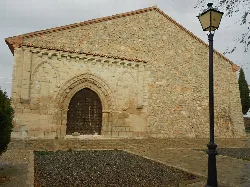
Sangre de Cristo chapel with arched door and stone walls in Sarrión.
SarriónTeruel

What can you tell me about the Ermita de la Sangre de Cristo?

The Ermita de la Sangre de Cristo is one of Sarrión's oldest churches, dating back to the 13th century. It has undergone several reconstructions, especially after wars. The current structure reflects significant renovations from the 1990s, preserving its historical essence while showcasing a simple yet elegant design.

Ermita de la Sangre de Cristo For visitors ›

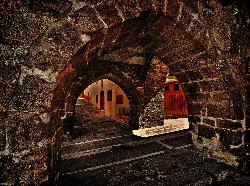
Stone arches at Montalbán's gate in Montalbán, Teruel.
MontalbánTeruel

What can you tell me about the Portal de Daroca in Montalbán?

The Portal de Daroca, also known as Torreón de la Cárcel, is an impressive entrance to the historical center of Montalbán. It features a well-constructed arch and consists of three internal levels. This portal has historical significance, having been built during the War of the Two Pedros to fortify the town against invasions.

Portal de Daroca For visitors ›

MontalbánTeruel

What are the main features of Montalbán's historical fortifications?

Montalbán's historical fortifications include remnants of walls built in 1363, designed to protect against invasions from the Kingdom of Castile. The town features two main gates and a tower, reflecting its strategic importance during medieval conflicts. These structures are a testament to the town's rich history and architectural heritage.

For visitors ›

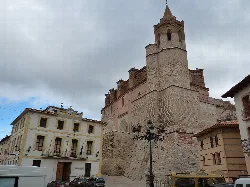
Town hall and church in Montalbán with a medieval tower.
MontalbánTeruel

What is the architectural style of the Ayuntamiento in Montalbán?

The Ayuntamiento, or Town Hall, in Montalbán showcases a blend of architectural styles, prominently featuring elements from the Gothic and Mudéjar traditions. Its historical significance is highlighted by its proximity to the Iglesia del Apóstol Santiago el Mayor, reflecting the town's rich cultural heritage and communal governance throughout history.

Ayuntamiento For visitors ›

Santa Eulalia del CampoTeruel

What are the main historical landmarks in Santa Eulalia del Campo?

Santa Eulalia del Campo is home to several historical landmarks, including the Iglesia parroquial de la Inmaculada, the Casa Palacio de Antillón, and the Ermita de la Virgen del Molino. Each site reflects the town's rich history and architectural heritage, showcasing the influence of notable families and events throughout the centuries.

For visitors ›

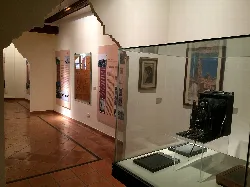
Museum room with paintings and an old camera in a display case.
CalaceiteTeruel

What can I see at the Museo Juan Cabré in Calaceite?

The Museo Juan Cabré houses a collection of archaeological, pictorial, and photographic works curated by the local archaeologist Juan Cabré. The museum features exhibits related to the region's history and culture, including artifacts from the Iberian period. It also hosts temporary art exhibitions, making it a cultural hub for both locals and visitors interested in the area's artistic heritage.

Museo Juan Cabré For visitors ›

CalaceiteTeruel

What is the architectural style of the Iglesia parroquial de la Asunción?

The Iglesia parroquial de la Asunción is built in a Baroque style and dates back to 1695. It was constructed on the site of an earlier Gothic church and features a three-nave layout with intricately forged doors. The church is dedicated to the Assumption of Our Lady and represents a significant piece of Calaceite's architectural heritage.

Iglesia parroquial de la Asunción For visitors ›

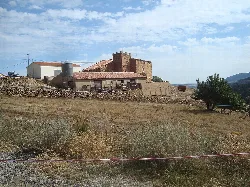
Stone tower with walls in a rural landscape in Cantavieja.
CantaviejaTeruel

What is the significance of the Torre Castellote in Cantavieja?

The Torre Castellote is a remnant of the medieval castle in Cantavieja, which suffered damage during the Carlist Wars. Although the castle's remains are limited, the tower stands out, showcasing historical architecture and offering a glimpse into the town's past. It once served as a defensive structure and is now part of the area's cultural heritage.

Torre Castellote For visitors ›

CantaviejaTeruel

What can you tell me about the church in Cantavieja?

The church of Asunción de Nuestra Señora in Cantavieja is a significant Baroque structure featuring three naves and a prominent tower. Built on the foundations of an earlier medieval church, it showcases intricate architectural details and is a central landmark in the town's historical landscape.

church For visitors ›

CantaviejaTeruel

What is the significance of the historical ensemble in Cantavieja?

Cantavieja's historical ensemble is recognized as a cultural heritage site, showcasing its medieval architecture and urban layout. Declared a historical-artistic ensemble in 1981, it features significant buildings like the porticoed square and the church, reflecting the town's rich history and architectural heritage.

For visitors ›

CastelloteTeruel

What are the architectural highlights of Castellote?

Castellote features a range of architectural styles, including the Gothic Iglesia de San Miguel and the medieval castle. Notable civil architecture includes the Casa Gordiano from the 16th century and the Puente del Gigante, an aqueduct with eleven arches, showcasing the town's historical significance.

For visitors ›

CaminrealTeruel

What can you tell me about the Iglesia de Nuestra Señora de la Asunción?

The Iglesia de Nuestra Señora de la Asunción, constructed between 1724 and 1743, showcases stunning Baroque architecture. It features a beautifully restored altar and impressive retablos by the Navarro brothers. The church's design includes a cross-shaped base and colorful stained glass windows, making it a significant cultural landmark in Caminreal.

Iglesia de Nuestra Señora de la Asunción For visitors ›

CaminrealTeruel

What archaeological sites can I visit in Caminreal?

One significant archaeological site near Caminreal is the Yacimiento Arqueológico de La Caridad, which showcases remnants of an Iberian settlement. Visitors can explore the site's layout, including houses and a well-preserved mosaic, and learn about the area's ancient history at the local interpretation center.

For visitors ›

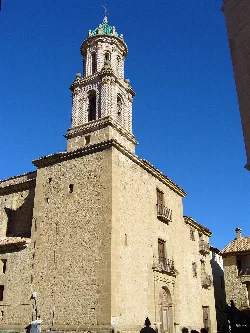
Church with bell tower in Rubielos de Mora.
Rubielos de MoraTeruel

What is the significance of the church of Santa María la Mayor?

The church of Santa María la Mayor is a notable Baroque structure in Rubielos de Mora, featuring a rectangular plan with lateral chapels and a distinctive tower. Its main entrance is adorned with a beautifully crafted stone portico. The church holds historical importance, with one of its bells dating back to 1476, reflecting the town's rich architectural heritage.

Santa María la Mayor For visitors ›

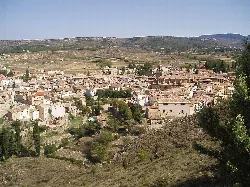
View of a town in a landscape of hills and fields with houses and streets.
Rubielos de MoraTeruel

What makes Rubielos de Mora a beautiful town?

Rubielos de Mora is recognized as one of the most beautiful towns in Spain, thanks to its well-preserved medieval architecture, charming streets, and historical significance. The town's unique character is enhanced by its traditional buildings, including noble houses, churches, and the scenic backdrop of the Sierra de Gúdar, making it a picturesque destination.

For visitors ›

Rubielos de MoraTeruel

What is the architectural style of the Casa Consistorial?

The Casa Consistorial in Rubielos de Mora is a Renaissance building dating back to the 16th century. Its design features elegant stonework and reflects the town's historical significance. The building is an important part of the town's architectural heritage, showcasing the artistic styles prevalent during that era.

Casa Consistorial For visitors ›

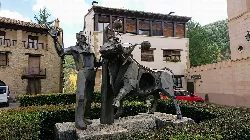
Sculpture of a clown and a bull in a square in Rubielos de Mora.
Rubielos de MoraTeruel

Are there any notable monuments in Rubielos de Mora?

Yes, Rubielos de Mora is home to several notable monuments, including the Fuente de la Negrita, which represents a woman in traditional attire, and the Monumento al Toro Embolado, celebrating local customs. These monuments highlight the town's cultural identity and are popular among visitors.

For visitors ›

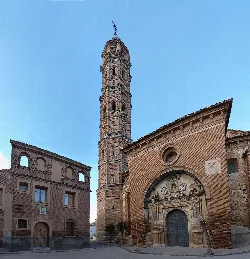
Church and tower in Muniesa, Teruel, with blue sky.
MuniesaTeruel

What is the significance of the Iglesia de Nuestra Señora de la Asunción in Muniesa?

The Iglesia de Nuestra Señora de la Asunción is a significant landmark in Muniesa, dating back to the 16th century. It features a large structure with three naves and various types of vaults. The adjacent mudéjar tower, built in the 16th century, is notable for its octagonal shape and intricate brickwork, making it a prime example of Aragonese architecture and a UNESCO World Heritage site since 2001.

Iglesia de Nuestra Señora de la Asunción For visitors ›

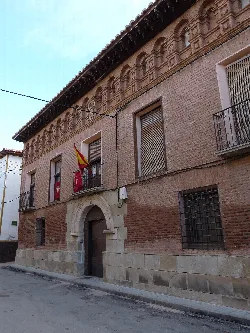
Brick building with stone arch and flags in Muniesa.
MuniesaTeruel

What can you tell me about the Casa Aranguren?

Casa Aranguren is a notable civil architecture example in Muniesa, built in the 17th century. This three-story house features a grand archway and large windows adorned with iron railings. Its upper level showcases a traditional Aragonese gallery and a prominent wooden eave, reflecting the architectural style of the region.

Casa Aranguren For visitors ›

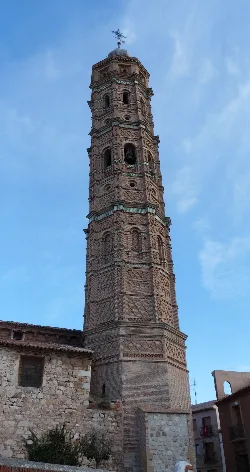
Brick mudéjar tower in Muniesa.
MuniesaTeruel

What is the Torre de la Iglesia de la Asunción known for?

The Torre de la Iglesia de la Asunción is renowned for its unique octagonal design and intricate mudéjar architecture from the 16th century. Standing at 55 meters tall, it is a prominent feature of Muniesa's skyline and a significant example of Aragonese architectural heritage.

Torre de la Iglesia de la Asunción For visitors ›