Sights

3,246 questions

FréscanoZaragoza

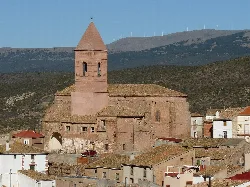
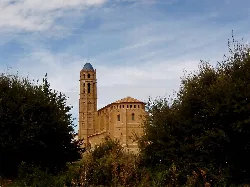
What are the main features of the Church of Nuestra Señora del Pilar?

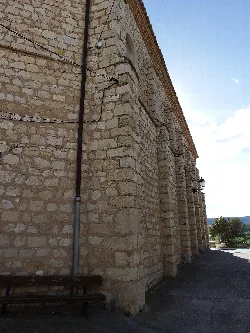
The Church of Nuestra Señora del Pilar in Fréscano is a modest Baroque structure built in the late 17th century. It features a single nave with a dome, a square brick tower, and retains several historical altarpieces and sculptures from the 15th to 18th centuries.
Iglesia de Nuestra Señora del Pilar For visitors ›

FréscanoZaragoza

What is the significance of the Ermita de la Virgen de la Huerta?

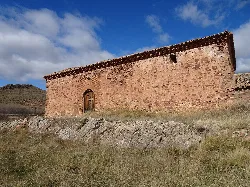
The Ermita de la Virgen de la Huerta, built in the 8th century, is an important cultural site located on the outskirts of Fréscano. It features a unique architectural style transitioning from Romanesque to Gothic and houses remarkable frescoes from the 13th and 14th centuries.

Ermita de la Virgen de la Huerta For visitors ›

Santa Ana Church in Mainar with bell tower and surrounding vegetation.
MainarZaragoza

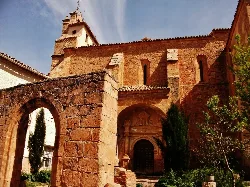
What can you tell me about the Iglesia de Santa Ana in Mainar?

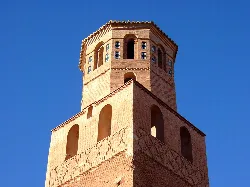
The Iglesia de Santa Ana, built in the 16th century, features one of the finest Mudéjar towers in Aragon. Inside, you can find altarpieces from the 17th and 18th centuries, as well as sculptures from the 15th and 16th centuries. The church has a rich history, including a notable robbery in the early 1980s, but many pieces were later recovered.

Iglesia de Santa Ana For visitors ›

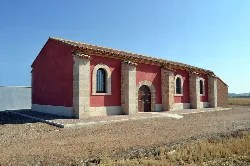
San Andrés chapel in Mainar, with red walls and barred windows.
MainarZaragoza

Can you tell me about the Ermita de San Andrés?

The Ermita de San Andrés, built in the 16th century, underwent significant restoration in 2015. This chapel, made of tapial with masonry buttresses, features a single nave divided by arches. It stands as a historical monument within Mainar, showcasing local architectural styles.

Ermita de San Andrés For visitors ›

Town hall building with arches on the ground floor and light-colored facade.
Puebla de AlbortónZaragoza

What is the Ayuntamiento de Puebla de Albortón?

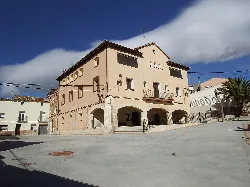
The Ayuntamiento de Puebla de Albortón is a significant building in the town, originally a large house-palace built in the Aragonese Renaissance style. It features a brick construction with a gallery and a notable porch with four arches. Although it was destroyed during the Civil War, it was later reconstructed, enhancing its façade with a spacious balcony.

Ayuntamiento For visitors ›

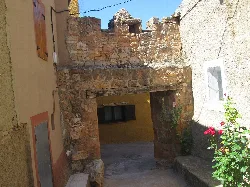
Stone facade with arches in La Puebla de Albortón
Puebla de AlbortónZaragoza

What is the significance of the Church of San Sebastián?

The Church of San Sebastián features a Renaissance façade from the 16th century, although it has undergone significant transformations, including being repurposed as a residence. It retains a niche with the image of the saint, reflecting its historical and cultural importance to the community.

Iglesia de San Sebastián For visitors ›

Puebla de AlbortónZaragoza

What are the peirones around Puebla de Albortón?

The peirones are traditional milestones found around Puebla de Albortón, serving as humilladeros for prayer. Notable examples include the Peirón de Santa Bárbara and the Peirón de San Sebastián, each located near the town and reflecting local customs.

Peirones For visitors ›

Church tower in Trasobares with arched windows and blue sky.
TrasobaresZaragoza

What can you tell me about the church tower in Trasobares?

The church tower in Trasobares is a notable landmark, showcasing a distinctive architectural style. It is part of the church that was originally built in the 16th century as part of the former monastery. The tower adds to the historical charm of the village and is a point of interest for visitors.

church tower For visitors ›

TrasobaresZaragoza

What architectural style is the church in Trasobares?

The church in Trasobares, originally part of the monastery, is built in a Renaissance style and was constructed between 1563 and 1566. It features a single nave and a star-shaped vault, showcasing the architectural influences of its time.

church For visitors ›

View of the south side of the chapel with a wooden door and small window.
Aranda de MoncayoZaragoza

What can you tell me about the Ermita de San Roque?

The Ermita de San Roque, built in the 17th century, is dedicated to the patron saint of the village. Located 1.6 km from the town, it features a rectangular layout with a wooden roof and a retablo from 1653. It served as a place of worship and housed an ermitaño.

Ermita de San Roque For visitors ›

Church of Our Lady of the Assumption in Aranda de Moncayo, with bell tower and tiled roof.
Aranda de MoncayoZaragoza

What is the architectural style of the Iglesia de Nuestra Señora de la Asunción?

The Iglesia de Nuestra Señora de la Asunción, completed in the 16th century, showcases late Gothic architecture. It features a single nave and a robust mudéjar bell tower, highlighting the region's historical architectural influences.

Iglesia de Nuestra Señora de la Asunción For visitors ›

ChodesZaragoza

What is the architectural style of the Plaza de España in Chodes?

The Plaza de España in Chodes features a mix of traditional Aragonese architecture, characterized by its whitewashed buildings and historical significance. Declared a monument in 2002, it serves as a central social hub for the community, reflecting the town's cultural heritage.

Plaza de España For visitors ›

Facade of Our Lady of Milk Church with arch and wooden doors.
Alconchel de ArizaZaragoza

What is the significance of the Iglesia Nuestra Señora de la Leche?

The Iglesia Nuestra Señora de la Leche, located in the center of Alconchel de Ariza, is a notable example of Gothic-Renaissance architecture, dating back to the late 16th and early 17th centuries. It features a single nave and a stunning poligonal apse. The church houses several important altarpieces, including one dedicated to Nuestra Señora de la Leche, showcasing the town's religious heritage.

Iglesia Nuestra Señora de la Leche For visitors ›

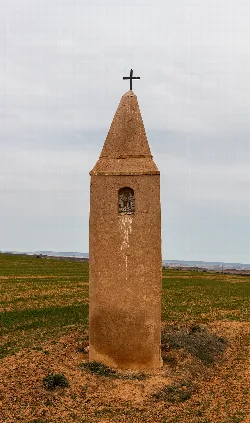
Brown peirón with a cross at the top and a niche with a religious image.
Alconchel de ArizaZaragoza

What is the Peirón del Tiro de Bola?

The Peirón del Tiro de Bola is a traditional pillar located in Alconchel de Ariza, marking the start of a significant path. It is constructed from stone and topped with a niche that often holds a statue of a saint. These structures are common in the region, serving both as landmarks and as points of cultural significance.

Peirón del Tiro de Bola For visitors ›

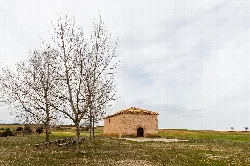
Small stone hermitage with trees and open field in Alconchel de Ariza.
Alconchel de ArizaZaragoza

What is the Ermita de San Pascual like?

The Ermita de San Pascual, located a few kilometers from Alconchel, is a simple square structure built in the late 19th century. It features a modest altar dedicated to San Pascual Bailón. The site is a focal point for local celebrations, particularly during the annual romería, attracting visitors for its serene atmosphere and religious significance.

Ermita de San Pascual For visitors ›

Malanquilla MunicipalityZaragoza

What can you tell me about the Iglesia de Nuestra Señora de la Asunción?

The Iglesia de Nuestra Señora de la Asunción, consecrated in 1594, features a notable Renaissance altar with a beautifully crafted sagrario. The church is significant for its artistic value and has undergone restoration to preserve its historical elements, including the retablo of the Virgen del Rosario.

Iglesia de Nuestra Señora de la Asunción For visitors ›

Malanquilla MunicipalityZaragoza

What can you tell me about the Ermita de Santa María?

The Ermita de Santa María is a small, semi-ruined chapel with a Romanesque apse dating back to the 12th or 13th century. Recent restoration efforts have aimed to preserve its historical elements, making it an important site for local heritage.

Ermita de Santa María For visitors ›

Malanquilla MunicipalityZaragoza

What is the Fuente de los Tres Caños?

The Fuente de los Tres Caños is a Roman fountain dating back to the 1st-2nd century, recently uncovered and restored. It features an inscription and is located near an old washhouse, making it a charming spot for visitors interested in local history.

Fuente de los Tres Caños For visitors ›

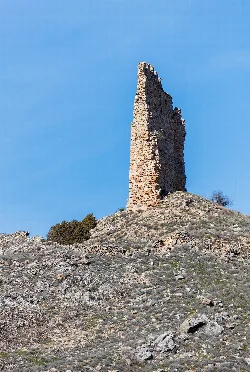
Stone castle ruins on a hill in Cimballa.
CimballaZaragoza

What can I see at the castle in Cimballa?

The castle in Cimballa, dating from the 15th or 16th century, is mostly in ruins today, with only one wall remaining. It was once a protective structure for the town and is now classified as a cultural heritage site. The view from the castle offers a glimpse of the surrounding landscape.

castillo For visitors ›

CimballaZaragoza

What is the significance of the church in Cimballa?

The Church of the Purification of Our Lady is a modest structure from the 18th century, featuring a single nave and a Romanesque arch. It houses several retablos from various periods, including a significant one dedicated to Santa Bárbara from the 16th century.

iglesia For visitors ›

SisamónZaragoza

What is the architectural style of the Church of San Martín?

The Church of San Martín features a blend of Gothic, Mudejar, Renaissance, and Baroque styles. Its construction reflects various historical periods, showcasing artistic richness. Key elements include a large round window and a bell tower, which highlight its architectural evolution over the centuries.

Church of San Martín For visitors ›

Stone gate with arch in the center of the image.
SisamónZaragoza

What is the significance of the medieval gate in Sisamón?

The medieval gate of Sisamón is a notable historical structure, reflecting the town's past and its strategic importance during various conflicts. It serves as a reminder of the village's defensive architecture and its role in protecting against invasions, particularly during the medieval period.

medieval gate For visitors ›

LongásZaragoza

What is the significance of the church in Longás?

The church in Longás, dedicated to Santa María, dates back to the 14th century. It features a distinctive octagonal bell tower and a cruciform interior with a polygonal apse. The church houses a plateresque altarpiece dedicated to San Miguel, making it a notable historical and architectural site in the village.

For visitors ›

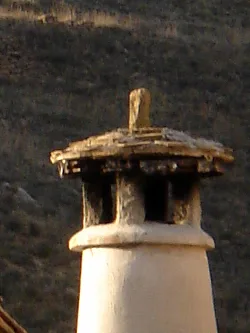
Restored witch scarecrow detail in Longás with wooden and ceramic parts.
LongásZaragoza

What can you tell me about the Espantabrujas in Longás?

The Espantabrujas are traditional chimney tops designed to prevent witches and evil spirits from entering homes. These unique architectural features are part of Longás's medieval charm and cultural heritage, showcasing the local beliefs and customs that have been preserved over time.

Espantabrujas For visitors ›