Sights

3,246 questions

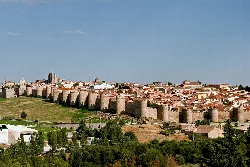
Stone walls and towers in Ávila under a blue sky.
ÁvilaÁvila

What are the Walls of Ávila?

The Walls of Ávila, built between the 11th and 14th centuries, are an impressive fortification that encircles the city. They feature a perimeter of 2,516 metres, with 88 semicircular towers and curtain walls that are 3 metres thick. This UNESCO World Heritage Site is notable for being the largest fully illuminated monument in the world, and visitors can walk along a significant portion of the walls.
Walls of Ávila For visitors ›

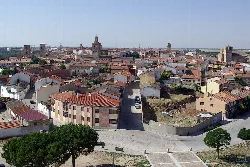
Panoramic view of Arévalo with streets, rooftops, and towers on the horizon.
ArévaloÁvila

What can you tell me about the Castle of Arévalo?

The Castle of Arévalo, also known as the castle of the Zúñiga, is a significant historical site. It was built in the late 15th century and features a pentagonal layout. Originally a fortification, it has undergone various restorations and now houses a cereal museum. The castle is located at the confluence of the Adaja and Arevalillo rivers, offering impressive views of the surrounding area.

Castle of Arévalo For visitors ›

ArévaloÁvila

What is the significance of the Iglesia de Santo Domingo de Silos?

The Iglesia de Santo Domingo de Silos is a key religious site in Arévalo, located outside the city walls. It houses the relics of San Vitorino, the town's patron saint, and features notable artworks, including a statue of San Francisco de Asís. This church plays an important role in the community's spiritual life.

Iglesia de Santo Domingo de Silos For visitors ›

ArévaloÁvila

What are the main architectural styles found in Arévalo?

Arévalo is renowned for its Mudéjar architecture, characterized by brick constructions and intricate designs. The town's historical buildings, such as churches and the castle, showcase this unique style, reflecting the cultural influences of the medieval period. The preservation of these structures contributes to Arévalo's status as a historical site.

For visitors ›

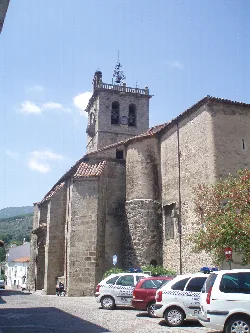
Church with tower and cars on the street in Arenas de San Pedro
Arenas de San PedroÁvila

What can you tell me about the Iglesia de Nuestra Señora de la Asunción?

The Iglesia de Nuestra Señora de la Asunción is a prominent church in Arenas de San Pedro. It features a mix of architectural styles, reflecting its long history. The church was built during the late medieval period and has undergone various renovations over the centuries. It's an important cultural landmark for the town, showcasing beautiful artwork and serving as a center for local religious activities.

Iglesia de Nuestra Señora de la Asunción For visitors ›

Arenas de San PedroÁvila

What historical landmarks can I visit in Arenas de San Pedro?

Arenas de San Pedro is home to several historical landmarks, including the Castillo de la Triste Condesa and the Roman bridge known as Puente de Aquelcabos. These sites reflect the town's rich history and architectural heritage, offering visitors a glimpse into its past and the influence of various cultures over the centuries.

For visitors ›

Las Navas del MarquésÁvila

What is the significance of the Atalaya-Mirador de Eiffel?

The Atalaya-Mirador de Eiffel, built in 1873, is a wooden and iron tower originally used as a forest lookout. Although mistakenly attributed to Gustave Eiffel, it remains an important historical structure and offers scenic views of the surrounding area.

Atalaya-Mirador de Eiffel For visitors ›

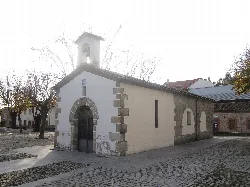
Small white hermitage with bell tower and stone walls in Candeleda.
CandeledaÁvila

What can you tell me about the Ermita de San Blas?

The Ermita de San Blas is a small chapel located in Candeleda, known for its simple yet charming architecture. It serves as a spiritual site for locals and visitors alike, often attracting those interested in the town's religious heritage. The hermitage is a part of the town's cultural landscape and contributes to the community's traditions and festivities.

Saint Blaise's Hermitage For visitors ›

CandeledaÁvila

What is the Ethnographic Museum in Candeleda about?

The Ethnographic Museum in Candeleda showcases the town's cultural history through various exhibitions. Housed in a former school, it features items donated by locals, including artifacts from the Iron Age. The museum aims to preserve and promote the heritage of Candeleda, making it a valuable stop for history enthusiasts.

For visitors ›

CebrerosÁvila

What is the significance of the Ermita de Valsordo?

The Ermita de Valsordo, located 2 km from Cebreros, is dedicated to the Virgin of Valsordo, the town's patroness. Its origins date back to the 13th century, associated with miracles. The image of the Virgin was destroyed during the Civil War and later replaced. Each year, the Virgin is brought from the ermita to the Church of Santiago Apóstol for celebrations in her honor.

Ermita de Valsordo For visitors ›

CebrerosÁvila

What are the main attractions in Cebreros for visitors?

Cebreros boasts several attractions, including the Church of Santiago Apóstol, the Ermita de Valsordo, and the ruins of the convent 'Dulce nombre de Jesús.' The town also has a satellite tracking station for the European Space Agency and a museum dedicated to Adolfo Suárez and the Spanish Transition. Natural landscapes, such as the nearby Sierra de Gredos, enhance its appeal.

For visitors ›

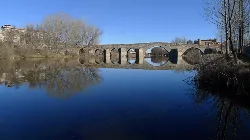
Stone bridge over the Tormes River in El Barco de Ávila.
El Barco de ÁvilaÁvila

What is the significance of the Puente Viejo in El Barco de Ávila?

The Puente Viejo, or Old Bridge, is a historical structure that dates back to Roman times, though it was rebuilt in the 12th century. It features eight uneven arches and has undergone several modifications. This bridge is a vital connection over the Tormes River and showcases Roman architectural elements, making it a significant landmark in the town.

Puente Viejo For visitors ›

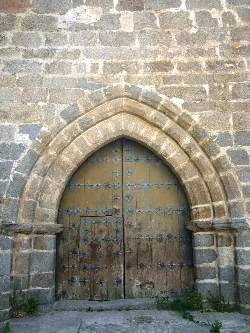
Wooden door with metal fittings at the church in El Barco de Ávila.
El Barco de ÁvilaÁvila

What is the architectural style of the Iglesia de Nuestra Señora de la Asunción?

The Iglesia de Nuestra Señora de la Asunción showcases a Romanesque architectural style, characterized by its basilical layout and polygonal apses. Inside, it features a grand Baroque altarpiece from the late 17th century, highlighting the town's historical and artistic significance. This church is a key element of El Barco's cultural identity.

Iglesia de Nuestra Señora de la Asunción For visitors ›

El Barco de ÁvilaÁvila

What can you tell me about the local architecture in El Barco de Ávila?

El Barco de Ávila features a mix of historical architecture, including Romanesque churches, medieval walls, and traditional Castilian houses. Notable structures include the Casa del Reloj and the Puente Viejo. The town's layout reflects its historical development, with narrow streets and significant landmarks that showcase its rich architectural heritage.

For visitors ›

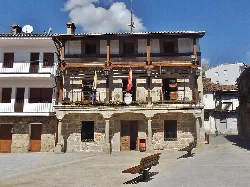
Town hall building with wooden balconies and flags on the facade.
PiedralavesÁvila

What is the significance of the Casa Consistorial in Piedralaves?

The Casa Consistorial, or Town Hall, is a notable landmark in Piedralaves. It reflects the town's architectural heritage and serves as a center for local governance. Visitors often admire its traditional design, which showcases the cultural identity of the area. This building is an important part of the community's history and civic life.

Casa consistorial de Piedralaves For visitors ›

PiedralavesÁvila

What is the significance of the Torre del Reloj in Piedralaves?

The Torre del Reloj is a distinctive symbol of Piedralaves, standing separate from the Town Hall. It represents the town's historical and cultural identity, serving as a reminder of its past. Visitors often appreciate its architectural charm and the role it plays in the community's daily life, marking the passage of time in this quaint municipality.

Torre del Reloj For visitors ›

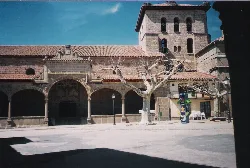
Stone church facade with tower and leafless trees in Piedrahíta.
PiedrahítaÁvila

What can you tell me about the Iglesia de la Asunción in Piedrahíta?

The Iglesia de la Asunción, dating back to the 13th century, showcases various architectural styles. Built on a castle donated by Queen Berenguela, it features three naves and a Gothic window. The interior houses a Museum of Sacred Art with unique pieces, including a 15th-century pulpit and various altarpieces from different periods. The church reflects the town's rich history and artistic heritage.

Iglesia de la Asunción For visitors ›

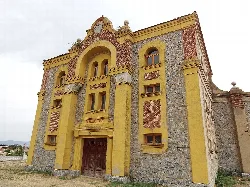
Facade of a building with yellow details and stone in Piedrahíta.
PiedrahítaÁvila

What is the significance of the Palacio de los Duques de Alba?

The Palacio de los Duques de Alba, built between 1755 and 1766, served as the summer residence for the House of Alba. Designed in French Baroque style, it became a cultural hub for artists and intellectuals, including Goya. The palace's architecture and historical connections highlight its importance in Piedrahíta's cultural landscape.

Palacio de los duques de Alba For visitors ›

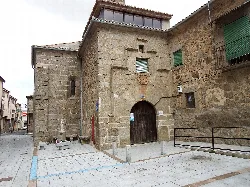
Old building entrance with coat of arms and stone arch in Piedrahíta.
PiedrahítaÁvila

What is the Plaza España like in Piedrahíta?

Plaza España is the main square of Piedrahíta, characterized by its polygonal shape and surrounded by porticoes of various architectural styles. The square features a beautiful granite fountain from 1727 and is a hub for public events, markets, and social gatherings. It also houses the town hall and the parish church, making it a focal point of community life.

Plaza España For visitors ›

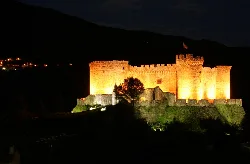
Medieval fortress illuminated at night in Mombeltrán, Ávila.
MombeltránÁvila

What can you tell me about the castle in Mombeltrán?

The castle of Mombeltrán was built in the 15th century by Beltrán de la Cueva and features a rectangular layout with corner towers and a low barbican. It was later adapted into a residence by the second duke. Although the exterior is well-preserved, the interior is in poor condition. It includes a central courtyard and has been recognized as a cultural heritage site since 1949.

Castillo de Mombeltrán For visitors ›

MombeltránÁvila

Are there any notable historical buildings in Mombeltrán?

Yes, Mombeltrán features several historical buildings, including the church of San Juan Bautista, built between the 14th and 15th centuries, and the Hospital de San Andrés, founded in 1517. Both structures are recognized as cultural heritage sites and showcase significant architectural styles from their respective periods.

For visitors ›

Panoramic view of Mombeltrán with mountains in the background.
MombeltránÁvila

What can you see from the viewpoint in Mombeltrán?

The viewpoint in Mombeltrán provides a stunning panoramic view of the valley, showcasing the picturesque landscape of the Sierra de Gredos. Visitors can enjoy the sight of the village nestled among lush greenery and the surrounding mountains, making it a perfect spot for photography and relaxation.

For visitors ›

Pedro BernardoÁvila

What is the main church in Pedro Bernardo?

The main church in Pedro Bernardo is the Iglesia de San Pedro Advíncula, built in the 18th century over an earlier structure. It features a simple design and houses various religious images from the 17th and 18th centuries. The church is a significant landmark, reflecting the town's cultural and religious heritage.

Iglesia de San Pedro Advíncula For visitors ›

Pedro BernardoÁvila

What can you tell me about the Museo Etnográfico in Pedro Bernardo?

The Museo Etnográfico de Pedro Bernardo, opened in 2003, showcases the traditional lifestyle and crafts of the region. It features exhibits on local agriculture, craftsmanship, and domestic life. Although not currently open to the public, it holds significant historical artifacts that reflect the town's cultural heritage.

Museo Etnográfico For visitors ›