Sights

3,246 questions

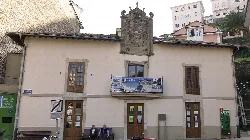
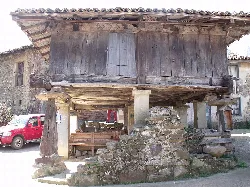
Old stone house with tiled roof in Belmonte de Miranda.
Belmonte de MirandaAsturias

What can you tell me about the architecture in Belmonte de Miranda?

Belmonte de Miranda features a mix of historical and traditional architecture, including the Casa Palacio del Cardenal Cienfuegos, which is recognized as a cultural heritage site. The buildings often reflect the region's history and the influence of various periods, including medieval and modern styles, adding to the town's charm.
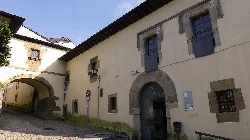
Casa Palacio del Cardenal Cienfuegos For visitors ›

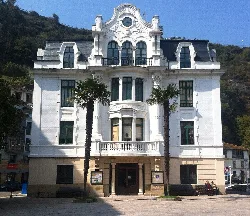
White building with large windows, balconies, and two palm trees at the entrance in L.luarca.
ValdésAsturias

What is the Casa conceyu de Valdés?

The Casa conceyu de Valdés, located in Luarca, serves as the town hall and is a notable example of local architecture. This building reflects the historical significance of the area and is a central point for administrative functions in Valdés. Its design showcases elements typical of the region's architectural style, making it a point of interest for visitors.

Casa conceyu de Valdés For visitors ›

Building with arch and wooden windows in Valdés, Asturias.
ValdésAsturias

Can you tell me about the Palacio del Marqués de Ferrera?

The Palacio del Marqués de Ferrera, also known as the Casa de Cultura, is a prominent building in Luarca. Completed in the 18th century, it showcases a blend of architectural styles from earlier centuries. Today, it houses cultural activities and exhibitions, making it an important venue for local events and a point of interest for visitors.

Palacio del Marqués de Ferrera For visitors ›

Two-story building with wooden doors and windows, and a sign on the facade.
ValdésAsturias

What can I see at the Casa de los Marqueses de Gamoneda?

The Casa de los Marqueses de Gamoneda, now serving as the tourist office, is an 18th-century building notable for its well-preserved façade and historical significance. Visitors can learn about local tourism and explore the architectural details that reflect the region's noble heritage. It's a great starting point for discovering Valdés.

Casa de los Marqueses de Gamoneda For visitors ›

DegañaAsturias

What is the architectural style of the church in Cerredo?

The church of Santa María in Cerredo exhibits a unique architectural style, combining elements from different centuries. Its square-shaped apse dates back to the 14th century, while the roof structure from the 17th century features a rare design. The interior includes simple decorations and two baroque altars, showcasing local craftsmanship.

Iglesia parroquial de Santa María de Cerredo For visitors ›

PongaAsturias

What is the architectural style of the churches in Ponga?

The churches in Ponga, such as those in Taranes and Viego, are primarily rural structures built in the late 18th and early 19th centuries. They often feature traditional designs, with notable elements like large stone doors and decorative frescoes.

For visitors ›

PongaAsturias

What is the Torre de Cazo?

The Torre de Cazo is a notable historical structure in Ponga, built in a square shape with thick walls. It dates back to the medieval period and is associated with the family Caso, showcasing the region's architectural heritage.

Torre de Cazo For visitors ›

Santa Eulalia de OscosAsturias

What is the architecture like in Santa Eulalia de Oscos?

The architecture in Santa Eulalia de Oscos reflects its cultural heritage, featuring traditional houses made of slate and wood. Notable structures include the Casa de Aquel Cabo and the Casona de La Pruida, which showcase the region's historical building styles and materials.

For visitors ›

Santa Eulalia de OscosAsturias

What is the significance of the church in Santa Eulalia?

The church of Santa Eulalia is an important religious site, characterized by its distinctive tower and bell tower. Inside, it houses a Baroque altarpiece, reflecting the town's historical and cultural heritage. This church serves as a focal point for local celebrations and community gatherings.

Iglesia de Santa Eulalia For visitors ›

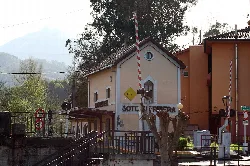
Station building with barriers and signals in Ribera de Arriba, Asturias.
Ribera de ArribaAsturias

What can you tell me about the Estación de Soto de Ribera?

The Estación de Soto de Ribera is a former railway station in Ribera de Arriba, which was part of the C-8 line. While it no longer serves passengers, it remains operational for freight transport, primarily supporting the nearby thermal power station. This station is significant for the region's industrial history.

Estación de Soto de Ribera For visitors ›

Ribera de ArribaAsturias

What architectural landmarks should I see in Ribera de Arriba?

Ribera de Arriba features several architectural landmarks, including the 12th-century church of San Martín de Pereda, known for its Romanesque style. Other notable structures are the medieval church of San Nicolás in Tellego and the Capilla de San Juan de Mata in Bueño, each reflecting the region's rich historical heritage.

For visitors ›

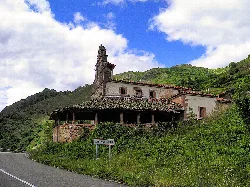
Church and traditional house in Las Morteras, Somiedo, Asturias.
SomiedoAsturias

What can you tell me about Las Morteras?

Las Morteras is a notable area in Somiedo, known for its picturesque landscapes and traditional architecture. It features a historic building that showcases local architectural styles, including a roof made of escoba. This site is a great representation of the region's cultural heritage and offers visitors a glimpse into the past of Somiedo's rural life.

Las Morteras For visitors ›

TaramundiAsturias

What is Taramundi known for?

Taramundi is renowned for its rich artisanal heritage, particularly in the production of knives and navajas. The town is also recognized as a pioneer of rural tourism in Spain, having established itself as a destination for visitors seeking to enjoy its beautiful landscapes and traditional crafts. Additionally, Taramundi features various ethnographic museums that showcase its cultural history and craftsmanship.

For visitors ›

TaramundiAsturias

What can I see at the Conjunto Etnográfico de Teixois?

The Conjunto Etnográfico de Teixois is an open-air museum that showcases traditional hydraulic machinery, including a mill, a hammer, and a small power station. Visitors can explore the reconstructed installations that highlight the historical significance of these tools in the region's artisanal practices. It operates as a living museum, demonstrating the techniques used by past generations.

Conjunto Etnográfico de Teixois For visitors ›

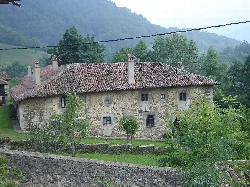
Stone palace with red tile roof and chimneys in a rural setting.
QuirósAsturias

What is the Palacio Miranda in Quirós?

The Palacio Miranda, located in Llanuces, is a rectangular building dating back to the 16th century. It has two floors adapted to the terrain's slope and features an irregular arrangement of windows. The entrance showcases an impressive pointed arch, reflecting the architectural style of the period.

Palacio Miranda For visitors ›

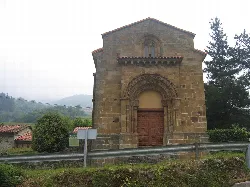
Stone church with decorative arch and wooden door in Quirós.
QuirósAsturias

What can I see in the Iglesia de San Pedro de Arrojo?

The Iglesia de San Pedro de Arrojo is a notable example of Romanesque architecture with Gothic additions. It features a single nave and a circular apse, with well-squared stonework. Inside, you can find 16th-century murals depicting Adam and Eve, making it a significant cultural site.

Iglesia de San Pedro de Arrojo For visitors ›

CaraviaAsturias

What is the architectural style of the church in Caravia?

The church of Santiago in Caravia features a simple architectural style, with its first structure dating back to the 17th century. It has undergone renovations, resulting in a nave with a square head and two added chapels. Constructed from local materials, it lacks elaborate decorations, except for a notable inscription featuring the Cruz de la Victoria.

church of Santiago For visitors ›

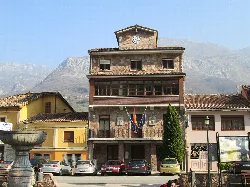
Proaza Town Hall building with flags and mountains in the background.
ProazaAsturias

What is the Proaza Town Hall like?

The Proaza Town Hall is a notable building in the municipality, characterized by its distinctive architecture. It features a clock tower and a facade that blends traditional and modern elements, reflecting the town's administrative importance. The Town Hall serves as a hub for local governance and community events.

Proaza Town Hall For visitors ›

SobrescobioAsturias

What is Sobrescobio known for?

Sobrescobio is known for its stunning natural landscapes, particularly within the Parque Natural de Redes, and its rich history dating back to prehistoric times. The area features traditional architecture, including stone and wooden houses, and is recognized for its community efforts in conservation, earning the Premio al Pueblo Ejemplar de Asturias in 2009.

For visitors ›

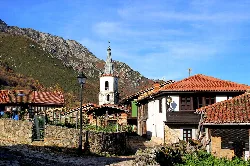
Village with church and traditional houses in a mountainous landscape.
SobrescobioAsturias

What can I see in Soto de Agües?

In Soto de Agües, you can visit the church of San Andrés, built in the early 19th century, showcasing a mix of Gothic and Baroque architectural elements. The village is also surrounded by beautiful natural scenery, perfect for hiking and enjoying the outdoors.

Soto de Agües For visitors ›

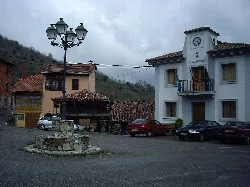
Square with clock tower, stone well, and parked cars in Villabre.
Yernes y TamezaAsturias

What can you tell me about the Plaza Villabre?

Plaza Villabre is the central square in Villabre, the capital of Yernes y Tameza. It serves as a communal space for residents and visitors, surrounded by local architecture. This area is often a hub for social interactions and community events, reflecting the village's charm and character.

Plaza Villabre For visitors ›

Wooden hórreo on stones in Felguera, Riosa.
RiosaAsturias

What is the Hórreo in Felguera?

The Hórreo in Felguera is a traditional Asturian granary, elevated on pillars to protect stored grain from moisture and pests. This architectural style is typical in the region, showcasing the cultural heritage of Asturias. The Hórreo serves not only a practical purpose but also represents the historical agricultural practices of the area, making it a notable landmark in Riosa.

Hórreo en Felguera For visitors ›

A stone tower with small windows in Onís, Asturias.
OnísAsturias

What can you tell me about Torre de Sirviella?

Torre de Sirviella is a notable landmark in Onís, dating back to the 16th century. It features a cubic structure with three floors and has undergone recent reconstruction to preserve its integrity after suffering from a fire. The tower showcases various architectural solutions, such as different window styles, and is currently in the process of being declared a cultural heritage site.

Torre de Sirviella For visitors ›

NavaAsturias

What is the significance of the Museo de la Sidra in Nava?

The Museo de la Sidra in Nava showcases the process of cider production, reflecting the region's strong cider-making tradition. The museum also features activities related to Asturian folklore, making it a cultural hub for visitors. Its unique design resembles a semicircular amphitheater, enhancing the visitor experience with engaging displays about this important local beverage.

Museo de la Sidra For visitors ›