Sights

3,246 questions

Santiago de CompostelaA Coruña

What is the significance of the Cathedral of Santiago de Compostela?

The Cathedral of Santiago de Compostela is a major pilgrimage site, believed to house the remains of Saint James the Great. It has been a Catholic pilgrimage destination since the 9th century and was designated a UNESCO World Heritage Site in 1985. The cathedral's architecture reflects various styles, showcasing its historical importance and attracting visitors from around the world.
Cathedral of Santiago de Compostela For visitors ›

The Cidade da Cultura building with curved, modern shapes.
Santiago de CompostelaA Coruña

What is the Cidade da Cultura?

The Cidade da Cultura, or City of Culture, is a cultural complex in Santiago de Compostela designed by architect Peter Eisenman. It aims to promote Galician culture and heritage through various facilities, including museums, exhibition spaces, and libraries. The striking architecture makes it a notable landmark in the city.

Cidade da Cultura For visitors ›

Santiago de CompostelaA Coruña

What is the Pazo de Raxoi?

The Pazo de Raxoi is an elegant 18th-century building located along the Praza do Obradoiro, serving as the city hall of Santiago de Compostela. Originally built as a palace, it now houses the offices of the city council and the President of the Xunta of Galicia, making it an important administrative center.

Pazo de Raxoi For visitors ›

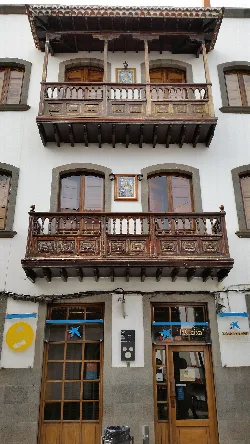
Building with two wooden balconies on Calle Real de la Plaza in Teror.
TerorLas Palmas

Can you tell me about the architecture in Calle Real de la Plaza?

Calle Real de la Plaza is an emblematic street in Teror, showcasing a variety of architectural styles from different eras. It has been the social and commercial heart of the town for centuries. The street features traditional balconies, which are distinctive elements, and has undergone various transformations, reflecting its historical significance.

Calle Real de la Plaza For visitors ›

TerorLas Palmas

What is the significance of the Viaducto de Teror?

The Viaducto de Teror, inaugurated in 2010, is a significant engineering achievement that enhances connectivity for the town. Standing 74 meters high and spanning 215 meters, it symbolizes modern infrastructure development in Teror, despite some opposition from local residents and environmental groups.

Viaducto de Teror For visitors ›

GáldarLas Palmas

What can you tell me about the Cueva Pintada in Gáldar?

Cueva Pintada is one of the most significant archaeological sites in Gáldar, showcasing ancient Canarian art. It serves as both a museum and an archaeological park, allowing visitors to explore the rich pre-Hispanic history of the area. The site features impressive rock paintings and is a key reference point for studying the artistic expressions of the indigenous people of the Canary Islands.

Cueva Pintada For visitors ›

GáldarLas Palmas

What is the significance of the Casa Museo Antonio Padrón?

The Casa Museo Antonio Padrón is a cultural landmark in Gáldar, showcasing the life and works of the renowned Canarian artist Antonio Padrón. The museum houses a collection of 130 artworks, reflecting the artistic evolution of Padrón and contributing to the cultural richness of the municipality.

Casa Museo Antonio Padrón For visitors ›

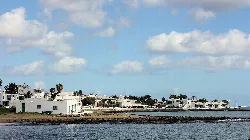
Coast with white houses, palm trees, and sea at Playa Honda, San Bartolomé.
San BartoloméLas Palmas

What can I do at Playa Honda in San Bartolomé?

Playa Honda is a popular beach destination in San Bartolomé, known for its beautiful waterfront. Visitors can enjoy sunbathing, swimming, and various water sports. The beach area is also lined with restaurants and cafes, making it a great spot to relax and enjoy local cuisine. It's a vibrant place for both relaxation and recreation.

Playa Honda For visitors ›

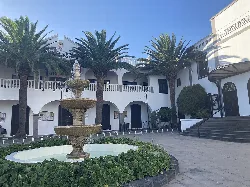
Square with fountain and palm trees in San Bartolomé, Lanzarote.
San BartoloméLas Palmas

What is the significance of the Plaza y Ayuntamiento de San Bartolomé?

The Plaza y Ayuntamiento de San Bartolomé is a central gathering place and a hub of local administration. It features beautiful architecture and a fountain, making it a picturesque spot for visitors. The plaza often hosts community events and serves as a social space for residents, reflecting the town's cultural life.

Plaza y Ayuntamiento de San Bartolomé For visitors ›

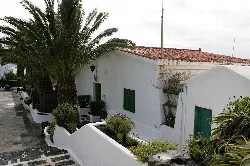
White house with red-tiled roof and plants on the terrace.
San BartoloméLas Palmas

What can you tell me about the Plaza León y Castillo?

Plaza León y Castillo is the central square in San Bartolomé, serving as a social and cultural hub. It features historical buildings and is often the site of local events and gatherings. The square has undergone several renovations, enhancing its role as a community space for residents and visitors alike.

Plaza León y Castillo For visitors ›

Puerto del RosarioLas Palmas

What are the main attractions in Puerto del Rosario?

Puerto del Rosario offers a variety of attractions including beautiful beaches like Playa de Los Pozos and Playa Blanca, ideal for water sports. The town also features the Auditorio Insular de Fuerteventura for cultural events, and several museums like the Casa Museo de Unamuno. Additionally, the outdoor sculpture park showcases over 50 works from international artists, making it a vibrant cultural hub.

For visitors ›

Puerto del RosarioLas Palmas

What is the significance of the Auditorio Insular de Fuerteventura?

The Auditorio Insular de Fuerteventura is the oldest auditorium on the island, hosting a range of performances including theater, music, and conferences. With a capacity of 545 seats, it has welcomed numerous artists from both local and international stages, making it a key venue for cultural activities in Puerto del Rosario.

Auditorio Insular de Fuerteventura For visitors ›

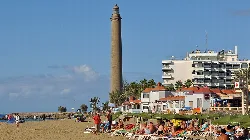
Tall lighthouse next to buildings and people on the beach.
San Bartolomé de TirajanaLas Palmas

What is the Faro de Maspalomas?

The Faro de Maspalomas is a historic lighthouse located in Maspalomas, San Bartolomé de Tirajana. Standing at 56 meters tall, it was inaugurated in 1890 and serves as an iconic symbol of the municipality. The lighthouse is situated near the beach, providing a picturesque view and is recognized as a cultural heritage site.

Faro de Maspalomas For visitors ›

Tall lighthouse next to buildings and people on the beach.
San Bartolomé de TirajanaLas Palmas

What are the main attractions in Maspalomas?

Maspalomas is known for its beautiful beaches, golden sand dunes, and the iconic lighthouse. It offers a range of accommodations, restaurants, and recreational activities, making it a popular tourist destination. The nearby natural reserve of the Maspalomas dunes is particularly noteworthy for nature lovers.

Maspalomas For visitors ›

ArtenaraLas Palmas

What are the main attractions in Artenara?

Artenara is known for its stunning natural landscapes, including the Tamadaba Natural Park and the protected areas of Las Cumbres. Key attractions include the Ermita de la Cuevita, the Risco Caído archaeological site, and the beautiful views from the Montaña de los Moriscos. The town's unique cave houses also draw interest, showcasing traditional Canarian architecture.

For visitors ›

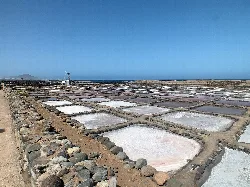
Salt flats with pools and stone walls in a dry landscape
Santa Lucía de TirajanaLas Palmas

What are the Salinas de Tenefé and why are they important?

The Salinas de Tenefé are historical salt flats that date back to the 18th century and are still operational today. They are significant for their cultural and economic contributions to the region, reflecting traditional salt production methods and the local economy's reliance on natural resources.

Salinas de Tenefé For visitors ›

Santa Lucía de TirajanaLas Palmas

What are the main cultural attractions in Santa Lucía de Tirajana?

Santa Lucía de Tirajana boasts several cultural attractions, including the Museo de El Hao, which showcases archaeological finds, and the Centro de Artesanía, where visitors can learn about traditional pottery and basket-making. The Teatro Víctor Jara hosts various cultural events throughout the year, enriching the local cultural scene.

For visitors ›

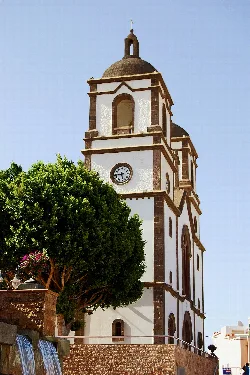
Church tower of Ingenio with clock and green tree.
IngenioLas Palmas

What can I see at the church of Nuestra Señora de La Candelaria?

The church of Nuestra Señora de La Candelaria, built between 1901 and 1908, features an eclectic architectural style with three longitudinal naves and a cross-shaped transversal nave. Its interior boasts a semi-ovoide dome and two square towers, making it a prominent landmark in Ingenio.

Iglesia de Nuestra Señora de La Candelaria For visitors ›

IngenioLas Palmas

What historical sites should I visit in Ingenio?

In Ingenio, you can explore several historical sites, including the old town's charming streets and the church of Nuestra Señora de La Candelaria. Additionally, museums like the Museo del Agua y del Azúcar offer insights into the region's agricultural past and cultural significance.

For visitors ›

Vega de San MateoLas Palmas

What is Vega de San Mateo known for?

Vega de San Mateo is recognized for its fertile agricultural land and traditional farming practices. It is famous for producing various crops, especially potatoes, and has a rich history tied to its patron, San Mateo. The town also hosts a popular agricultural market and is known for its picturesque landscapes in the central region of Gran Canaria.

For visitors ›

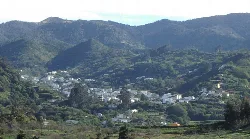
White houses in a valley surrounded by green mountains.
VallesecoLas Palmas

What can you tell me about the general view of Valleseco?

Valleseco offers a picturesque view from La Laguna, showcasing its beautiful landscape surrounded by mountains. This charming village, located in Gran Canaria, is characterized by its lush greenery and traditional architecture, making it a perfect spot for nature lovers and photographers alike.

For visitors ›

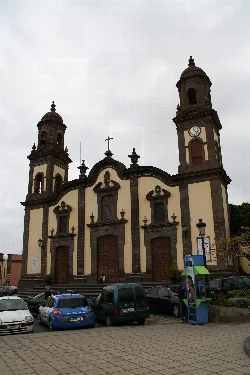
Facade of a church with two towers and a clock in a square.
Santa María de Guía de Gran CanariaLas Palmas

What can you tell me about the Church of Santa María de Guía?

The Church of Santa María de Guía is a significant landmark in the municipality, reflecting its historical roots. Founded in the late 15th century, it has been a central place of worship and community gatherings. The church showcases a blend of architectural styles and is noted for its twin bell towers, making it a prominent feature in the town's landscape.

Church Santa María de Guía For visitors ›

Santa María de Guía de Gran CanariaLas Palmas

What are the main attractions in La Atalaya?

La Atalaya is the largest population center in Santa María de Guía, known for its scenic views and proximity to the Pico de la Atalaya. Visitors can explore local shops, enjoy traditional cuisine, and experience the vibrant community life, making it a great starting point for discovering the municipality's charm.

For visitors ›

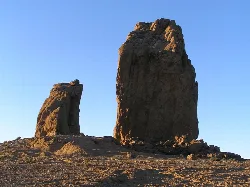
Rock formations in a dry landscape with a clear blue sky.
TejedaLas Palmas

What is the Roque Nublo and why is it significant?

Roque Nublo is a natural monument and a symbol of Gran Canaria, standing at 1803 meters above sea level. It is located within a protected rural park of the same name and is a popular destination for hikers and nature lovers, offering stunning views of the surrounding volcanic landscape.

Roque Nublo For visitors ›