Sights

3,246 questions

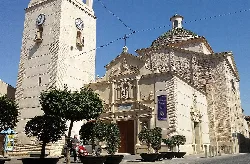
Church facade with trees and clock on the tower.
AlguazasMurcia

What is the significance of the Iglesia de San Onofre?

The Iglesia de San Onofre is a notable church in Alguazas, showcasing a blend of architectural styles including Mudéjar, Baroque, and Neoclassical. Construction began in 1529 and it features unique elements like a wooden ceiling added in 1566 and a new facade completed in 1642.
Iglesia de San Onofre For visitors ›

CalasparraMurcia

What is the significance of the Santuario de la Virgen de la Esperanza?

The Santuario de la Virgen de la Esperanza is a key religious site located about 6 km from Calasparra. It houses two images of the Virgin, the town's patroness, and is a place of pilgrimage, especially during the annual romería in September. The sanctuary's architecture blends with the natural landscape, enhancing its spiritual ambiance.

Santuario de la Virgen de la Esperanza For visitors ›

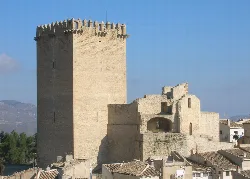
Medieval castle tower in Moratalla, Murcia, with surrounding walls and rooftops.
MoratallaMurcia

What can you tell me about the medieval castle in Moratalla?

The medieval castle of Moratalla is a prominent historical site, showcasing the town's rich heritage. Built during the medieval period, it served as a fortress and a symbol of power in the region. Today, it stands as a reminder of Moratalla's historical significance and offers stunning views of the surrounding landscape, making it a popular spot for visitors.

castillo medieval For visitors ›

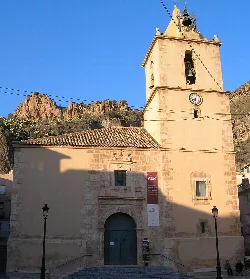
Church with tower and clock in Blanca, Murcia.
BlancaMurcia

What is the significance of the Church of St. John the Evangelist?

The Church of St. John the Evangelist, rebuilt in the late seventeenth and early eighteenth centuries, is a notable landmark in Blanca. Completed in 1717, it reflects the architectural style of the period and serves as a central place of worship for the community, showcasing the town's rich historical and cultural heritage.

Church St. John the Evangelist For visitors ›

BlancaMurcia

What is the Blanca Museum and Art Center?

The Blanca Museum and Art Center (MUCAB) is an international architectural landmark that showcases various art exhibitions and cultural events. It serves as a hub for artistic expression and community engagement, making it an essential stop for those interested in the local art scene and cultural heritage of Blanca.

Blanca Museum and Art Center For visitors ›

BlancaMurcia

What is the significance of the Moorish Castle in Blanca?

The Moorish Castle, dating back to the twelfth century, is a historical landmark that reflects Blanca's rich Islamic heritage. It was built under the reign of Muhammad ibn Mardanis and played a crucial role in the town's defense. Today, it stands as a testament to the architectural and cultural influences of the period.

Moorish Castle For visitors ›

AbanillaMurcia

What are the main attractions in Abanilla?

Abanilla features several key attractions, including the church of San José, the sanctuary of Santa Cruz in Mahoya, and the ruins of the medieval castle gifted to Guillén de Rocafull. The natural beauty of the Chícamo River and the Sierra de Quibas also draw visitors, offering opportunities for exploration and outdoor activities.

For visitors ›

PamplonaNavarre

What are the main attractions to see in Pamplona?

Pamplona is rich in history and culture, with notable attractions including the Gothic Cathedral, the historic Plaza del Castillo, and the impressive fortifications built in the 16th to 18th centuries. The city is also famous for the San Fermín festival, where the running of the bulls takes place annually, drawing visitors from around the world.

For visitors ›

PamplonaNavarre

What can you tell me about the Cathedral of Pamplona?

The Cathedral of Pamplona, built in the 14th century, is a stunning example of Gothic architecture. It features an impressive cloister and a Neoclassical façade, making it a key religious site in the city. The cathedral is not only a place of worship but also a significant historical landmark reflecting Pamplona's rich heritage.

Cathedral of Pamplona For visitors ›

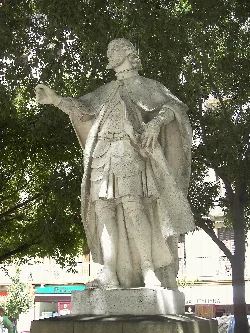
Statue of a king with cape and armor, standing, in Pamplona.
PamplonaNavarre

What is the significance of the statue of Philip III in Pamplona?

The statue of Philip III, located in Pamplona, represents the medieval king and is part of the iconographic program of the Royal Palace of Madrid. It highlights the historical connections between Pamplona and the Spanish monarchy, serving as a reminder of the city's royal heritage and its role in the Kingdom of Navarre.

statue of Philip III For visitors ›

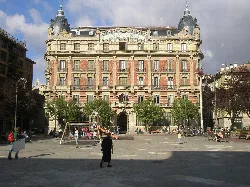
Old building with towers on top in Pamplona.
PamplonaNavarre

What is the significance of the Plaza del Castillo in Pamplona?

Plaza del Castillo is a central square in Pamplona, historically known as the heart of the city. It has been a gathering place for locals and visitors alike, surrounded by cafes and shops. The square's architecture and vibrant atmosphere make it a popular spot for events and socializing, reflecting the city's lively culture.

Plaza del Castillo For visitors ›

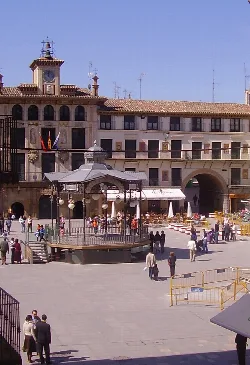
Square with kiosk and historic buildings in Tudela, Navarre
TudelaNavarre

What can I see in the main square of Tudela?

Tudela's main square features a charming gazebo and is surrounded by historic buildings, including the town hall. It's a lively area where locals gather, and you can enjoy various cafes and shops. The square often hosts events and markets, making it a vibrant spot to experience the local culture.

Tudela plaza For visitors ›

TudelaNavarre

What are some notable landmarks in Tudela?

Tudela boasts several notable landmarks, including the Cathedral of Santa María, which reflects its historical significance. The old town features charming plazas, historic buildings, and the Alcázar ruins. The city's rich architectural heritage showcases its diverse cultural influences over the centuries.

For visitors ›

Valley of EgüésNavarre

What are the main sights to see in the Valley of Egüés?

Key sights in the Valley of Egüés include the Jorge Oteiza Museum, dedicated to the renowned sculptor, and various historical churches such as the Church of San Esteban in Alzuza and the Church of San Miguel in Badostáin. The valley's picturesque landscapes and natural parks also attract visitors.

For visitors ›

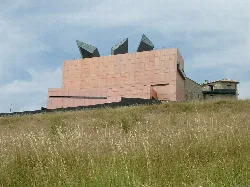
Museum building with angular shapes and modern structure in Altzuza.
Valley of EgüésNavarre

What is the significance of the Jorge Oteiza Museum?

The Jorge Oteiza Museum, located near Alzuza, is significant for showcasing the works of the influential sculptor Jorge Oteiza. It houses an extensive collection of his sculptures, drawings, and experimental pieces, making it a key cultural site in the Valley of Egüés.

Jorge Oteiza Museum For visitors ›

Valley of EgüésNavarre

What is the significance of the Church of San Esteban in Alzuza?

The Church of San Esteban in Alzuza is notable for its historical and architectural value, constructed in the 12th century. It features a Baroque altarpiece from the 16th century, making it an important religious and cultural landmark in the Valley of Egüés.

Church of San Esteban For visitors ›

BarañáinNavarre

What are the main attractions in Barañáin?

Barañáin offers various attractions, including its urban parks and cultural facilities. Notable spots include the Parque de la Constitución, which provides green spaces for relaxation and community events. The town is also known for its vibrant cultural scene, featuring music bands and local festivals that celebrate its heritage and community spirit.

For visitors ›

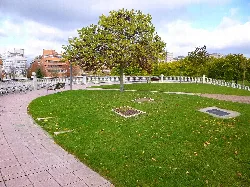
Large tree in a park with grass and tiled walkway in Barañáin.
BarañáinNavarre

What is the significance of the Parque de la Constitución?

The Parque de la Constitución is an important green space in Barañáin, providing residents and visitors with a place for leisure and community gatherings. It features landscaped areas, walking paths, and seating, making it a popular spot for relaxation and outdoor activities. The park often hosts events that foster community engagement.

Parque de la Constitución For visitors ›

Zizur Mayor/Zizur NagusiaNavarre

What is the significance of the church of San Andrés in Zizur Mayor?

The church of San Andrés is a Gothic structure from the 14th century, featuring a unique layout with a single nave and a Romanesque apse. It houses a significant altarpiece from 1538, adorned with sculptural and painted panels depicting scenes from the lives of Christ and San Andrés, making it a notable historical landmark in the town.

Iglesia de San Andrés For visitors ›

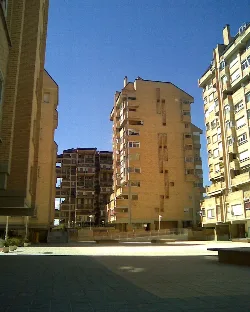
Modern and old buildings in Zizur Mayor, Navarra.
Zizur Mayor/Zizur NagusiaNavarre

What are the tallest buildings in Zizur Mayor?

The tallest buildings in Zizur Mayor are located in the Urbanización Zizur, known as the Torres de Santa Cruz. These high-rise apartments, constructed between 1971 and 1984, are prominent in the skyline and are home to a large portion of the municipality's population.

For visitors ›

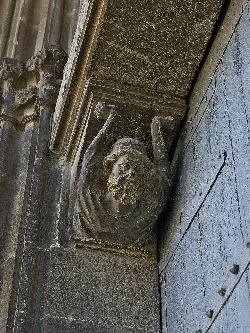
Sculpture of a bearded face with raised arms on the church portal.
Estella-LizarraNavarre

What can you tell me about the Iglesia del Santo Sepulcro?

The Iglesia del Santo Sepulcro is a notable landmark in Estella, known for its unique architectural style. It features intricate stone carvings and a rich history tied to the medieval period. The church is a significant site for pilgrims traveling the Camino de Santiago, reflecting the town's historical role as a religious center. Its design and artwork attract visitors interested in history and architecture.

Iglesia del Santo Sepulcro For visitors ›

Estella-LizarraNavarre

What is the significance of the Palacio de los Reyes de Navarra?

The Palacio de los Reyes de Navarra is a key historical site in Estella, representing the region's medieval heritage. It is the only example of civil Romanesque architecture in Navarre and served as a royal residence. The palace reflects the political importance of Estella during the medieval period and is now home to the Museo Gustavo de Maeztu, showcasing local art and history.

Palacio de los Reyes de Navarra For visitors ›

TafallaNavarre

What is Tafalla known for?

Tafalla is a municipality in Navarre, Spain, known for its historical significance and agricultural economy. It serves as the commercial and economic center of the region and has a population of 10,854. The town features notable landmarks like the Church of San Pedro and the Plaza de Navarra, and it hosts various cultural events throughout the year.

For visitors ›

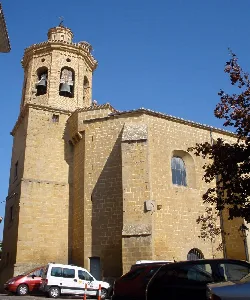
Church of San Pedro in Tafalla with tower and bells.
TafallaNavarre

What can you tell me about the Church of San Pedro?

The Church of San Pedro is the oldest church in Tafalla, documented since 1157. It features a main façade with five pointed arches, although it is currently in a deteriorated state. Inside, it houses the Retablo de la Visitación, a Gothic altarpiece attributed to Joaquín Oliveras, alongside several Baroque elements.

Church of San Pedro For visitors ›