Sights

3,246 questions

Puente del CongostoSalamanca

What are the main attractions in Puente del Congosto?

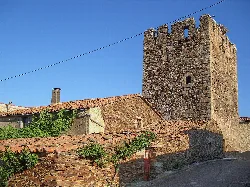
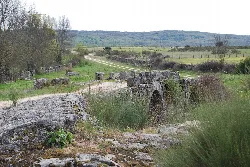
Main attractions in Puente del Congosto include the Castillo de los Dávila and the medieval bridge over the River Tormes, both recognized as Sites of Cultural Interest. Additionally, Mount Berrueco offers archaeological significance, while local festivals like Las Águedas and the Cabalgata de Reyes showcase the vibrant community culture.
For visitors ›

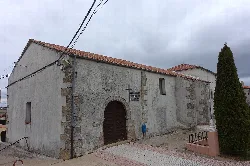
Church of San Pedro Apóstol in Villasrubias with stone walls and wooden arch.
VillasrubiasSalamanca

What can you tell me about the Iglesia de San Pedro Apóstol in Villasrubias?

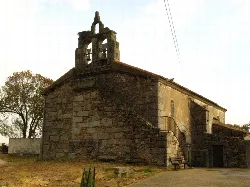
The Iglesia de San Pedro Apóstol features a single nave supported by three granite arches. It has undergone several renovations, notably in the 1980s, which altered its original appearance. The church houses a significant granite baptismal font and various altars dedicated to saints, including San Pedro, the patron saint of the parish.

Iglesia de San Pedro Apóstol For visitors ›

VillasrubiasSalamanca

What is the Pozo de los Moros?

The Pozo de los Moros is the highest point in Villasrubias, featuring a geodetic vertex and a fire watchtower. It offers stunning views of the surrounding landscape, including parts of Salamanca province, and is a site of historical significance.

Pozo de los Moros For visitors ›

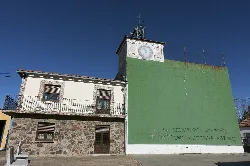
Town hall building of Morasverdes with clock and mural on the facade.
MorasverdesSalamanca

What can I expect to see at the Casa consistorial de Morasverdes?

The Casa consistorial, or town hall, of Morasverdes is notable for its unique architecture, combining traditional and modern elements. It features a clock tower and is a central point for municipal activities. Visitors can appreciate its historical significance as the administrative heart of the town, reflecting the local governance and community life.

Casa consistorial For visitors ›

GarcibueySalamanca

What is Garcibuey known for?

Garcibuey is known for its serene atmosphere and Mediterranean climate, making it an ideal place to visit year-round. The municipality is part of the Sierra de Francia region and is characterized by its agricultural activities, particularly the cultivation of cherries, plums, and peaches. Additionally, it has a rich history dating back to the 13th century and hosts various traditional festivals throughout the year.

For visitors ›

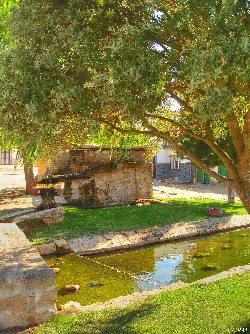
Stone fountain with water and trees in Trabanca, Salamanca.
TrabancaSalamanca

What is the fountain in Trabanca known for?

The fountain in Trabanca, known as La fuente de Trabanca, is a notable landmark located in the Arribes del Duero. It serves as a picturesque spot, often appreciated for its serene environment and historical significance, reflecting the traditional architecture and natural beauty of the area.

La fuente de Trabanca For visitors ›

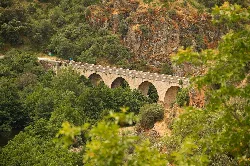
Stone bridge with arches over a river surrounded by greenery.
TrabancaSalamanca

Can you tell me about the San Lorenzo Bridge?

The San Lorenzo Bridge connects the Zamora town of Fermoselle with Trabanca over the Tormes River. This bridge is significant for its architectural design and serves as an important route for locals and visitors, enhancing connectivity between the two regions while offering scenic views of the surrounding landscape.

Puente de San Lorenzo For visitors ›

TrabancaSalamanca

What is the significance of the traditional forge in Trabanca?

The traditional forge in Trabanca, over two hundred years old, is a vital part of the village's heritage. It reflects the historical craftsmanship of the area, serving as a place for making tools and decorative items, and stands as a testament to the community's industrial past.

For visitors ›

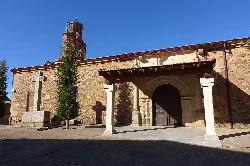
Stone church facade with columns and wooden door in Sepulcro-Hilario.
Sepulcro-HilarioSalamanca

What can you tell me about the Iglesia de San Pedro Ad Vincula?

The Iglesia de San Pedro Ad Vincula in Sepulcro-Hilario features two naves, with the central nave being more spacious. It is supported by six arches and octagonal columns. The main altar showcases a beautiful 17th-century polychrome wooden image of Saint Peter, along with other significant artistic elements. The church is a key part of the local heritage and belongs to the Diocese of Ciudad Rodrigo.

Iglesia de San Pedro Ad Vincula For visitors ›

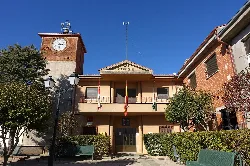
Town hall building with clock and flags in Salamanca.
Sepulcro-HilarioSalamanca

What does the town hall of Sepulcro-Hilario look like?

The town hall, or Casa consistorial, of Sepulcro-Hilario is a notable building characterized by its distinct architecture. It features a clock tower and is surrounded by well-maintained gardens. The building serves as a central administrative hub for the municipality and reflects the town's local governance.

Ayuntamiento de Sepulcro-Hilario For visitors ›

Santibáñez de la SierraSalamanca

What are the main historical sites to visit in Santibáñez de la Sierra?

Key historical sites include the Roman bridge in Puentes de Alagón, one of the oldest in the Iberian Peninsula, and the local church dating back to the 16th century. Additionally, remnants of an ancient hermitage and anthropomorphic tombs from the medieval period can be explored.

For visitors ›

Stone castle ruins in Villares de Yeltes.
Villares de YeltesSalamanca

What can you tell me about the Castillo de Villares de Yeltes?

The Castillo de Villares de Yeltes is a historical fortress located in the municipality of Villares de Yeltes. It sits on a rocky spur, indicative of its strategic importance in ancient times. The castle likely dates back to the pre-Roman period and was part of a network of fortifications in the area, reflecting the region's rich historical heritage.

Castillo de Villares de Yeltes For visitors ›

Stone Roman bridge with arches in a rural landscape
ValdehijaderosSalamanca

What is the significance of the Puente Romano in Valdehijaderos?

The Puente Romano, or Roman Bridge, is a notable landmark in Valdehijaderos, located on the Cañada Real Soriana Occidental. This ancient structure highlights the historical importance of the area, serving as a vital crossing point over the Arroyo de San Marcos, and reflects the architectural heritage of the region.

La Puente For visitors ›

Stone church with bell tower and stairs in Valdehijaderos, Salamanca.
ValdehijaderosSalamanca

What is the significance of the Iglesia de San Juan Degollado?

The Iglesia de San Juan Degollado is the parish church of Valdehijaderos, notable for its Visigothic baptismal font. This church serves as a central place of worship and community gathering, reflecting the town's cultural and religious heritage.

Iglesia de San Juan Degollado For visitors ›

Church with stone bell tower and snowy roof in Vallejera de Riofrío.
Vallejera de RiofríoSalamanca

What is the white building on the hill in Vallejera de Riofrío?

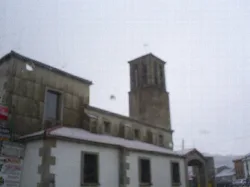
The white building is the Iglesia de Ntra. Sra. de la Encarnación and San Roque, located at the entrance of the village. Built between 1880 and 1890, it features three naves and a campanario made of granite stones that reaches 15 meters high. The church is significant for its local traditions and has undergone restoration between 2009 and 2011.

Iglesia de Ntra. Sra. de la Encarnación and San Roque For visitors ›

Church with stone bell tower and snowy roof in Vallejera de Riofrío.
Vallejera de RiofríoSalamanca

What is the significance of the campanario in Vallejera de Riofrío?

The campanario of the Iglesia de Ntra. Sra. de la Encarnación is notable for its granite construction and height of 15 meters. It houses two bells and a weathervane, serving as a prominent feature of the village's skyline and a symbol of local heritage.

Iglesia de Ntra. Sra. de la Encarnación and San Roque For visitors ›

Stone church with bell tower and red tiled roof in Las Casas del Conde.
Las Casas del CondeSalamanca

What can I see at the Iglesia de Las Casas del Conde?

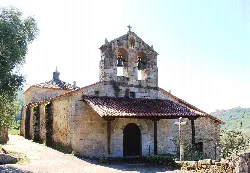
The Iglesia de Santa Catalina in Las Casas del Conde features traditional architecture typical of the region. Visitors can admire its stone construction and bell tower, which contribute to the village's historical charm. The church is an important landmark for the local community and reflects the area's cultural heritage.

Iglesia de Las Casas del Conde For visitors ›

Stone crosses in a wooded setting in Las Casas del Conde.
Las Casas del CondeSalamanca

What is the significance of the Calvario in Las Casas del Conde?

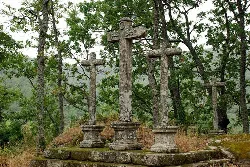
The Calvario in Las Casas del Conde is a notable religious site featuring a beautiful representation of the Passion of Christ with three crosses. This site is part of a Via Crucis that reflects the village's deep-rooted spiritual traditions and offers a serene atmosphere amidst the natural landscape.

Calvario For visitors ›

Santa Cruz de TenerifeSanta Cruz de Tenerife

What are the main attractions in Santa Cruz de Tenerife?

Santa Cruz de Tenerife boasts several attractions, including the Auditorio de Tenerife, a stunning example of contemporary architecture, and the Parque García Sanabria, a large urban park. The Plaza de España serves as the city's nerve center, while the nearby Playa de Las Teresitas offers a beautiful beach experience. The city is also famous for its vibrant Carnival, one of the largest in the world.

For visitors ›

Square with palm trees, benches, and historic buildings in Santa Cruz de Tenerife.
Santa Cruz de TenerifeSanta Cruz de Tenerife

What is the significance of the Plaza de España in Santa Cruz?

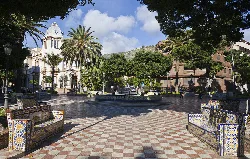
Plaza de España is the central square of Santa Cruz de Tenerife and serves as a key meeting point for locals and visitors. It features beautiful gardens, fountains, and sculptures, making it a popular spot for relaxation and social gatherings. The square also hosts various cultural events throughout the year.

Plaza de España For visitors ›

Pathway with palm trees and statues in Santa Cruz de Tenerife park.
Santa Cruz de TenerifeSanta Cruz de Tenerife

What is Parque García Sanabria known for?

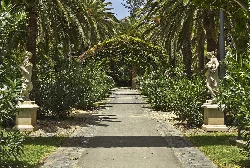
Parque García Sanabria is a large urban park in the center of Santa Cruz de Tenerife, known for its beautiful gardens, sculptures, and walking paths. It serves as a green oasis in the city, offering a peaceful retreat for residents and visitors alike, and is often used for cultural events and festivals.

Parque García Sanabria For visitors ›

San Cristóbal de La LagunaSanta Cruz de Tenerife

What can I see at the Plaza del Adelantado?

The Plaza del Adelantado is the historic heart of San Cristóbal de La Laguna, where significant events took place. It features the Kloster Santa Catalina and was once a marketplace. The plaza has undergone several transformations, including the addition of trees and benches in the 19th century. A central marble fountain, installed in 1870, adds to its charm.

Plaza del Adelantado For visitors ›

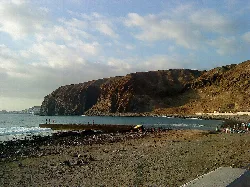
Sandy beach with cliffs and people on the shore in Arona.
AronaSanta Cruz de Tenerife

What can you tell me about Playa de El Palmar?

Playa de El Palmar is a beautiful beach located in Arona, known for its scenic views and tranquil atmosphere. It features a mix of rocky and sandy areas, making it ideal for relaxation and enjoying the sun. The beach is popular among locals and visitors alike, providing a perfect spot for swimming and sunbathing in the warm Canary Islands climate.

Playa de El Palmar For visitors ›

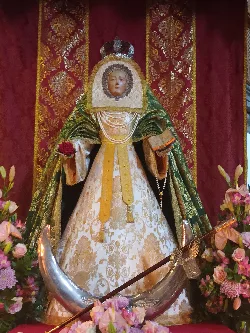
Statue of the Virgin of the Incarnation with dress and flowers in Adeje.
AdejeSanta Cruz de Tenerife

What is the Virgen de la Encarnación?

The Virgen de la Encarnación is a revered image located in the Church of Santa Úrsula in Adeje. She is the patron saint of the municipality and is celebrated during local festivals. The statue is notable for its artistic value and is part of the church's rich collection of religious artifacts, which also includes other significant images like the Virgen de Candelaria.

Virgen de la Encarnación For visitors ›