Sights

3,246 questions

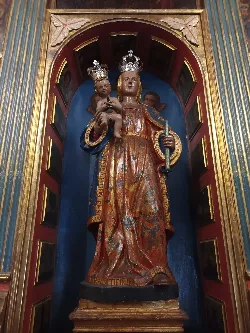
Statue of the Virgin of Candelaria holding the child, in a decorated niche.
AdejeSanta Cruz de Tenerife

What is the significance of the Virgen de Candelaria in Adeje?

The Virgen de Candelaria is another important religious figure housed in the Church of Santa Úrsula in Adeje. This statue is cherished by locals and is part of the cultural heritage of the area. The Virgen de Candelaria represents the island's deep-rooted religious traditions and is celebrated during various local festivities, enhancing the community's spiritual life.
Virgen de Candelaria For visitors ›

AdejeSanta Cruz de Tenerife

What is the Casa Fuerte in Adeje?

The Casa Fuerte is a historic building in Adeje, recognized as a cultural monument. Originally serving as a fortification, it has undergone various changes in use over the centuries. Located near the Church of Santa Úrsula, it offers insights into the area's historical significance and is a point of interest for visitors exploring Adeje's rich heritage.

Casa Fuerte For visitors ›

Los RealejosSanta Cruz de Tenerife

What are the main attractions in Los Realejos?

Los Realejos boasts several attractions, including beautiful beaches like El Socorro and La Grimona, as well as stunning natural landscapes. The municipality is also home to historic sites such as the Fortín de San Fernando and various viewpoints like the Mirador de San Pedro, offering breathtaking views of the coast and surrounding areas.

For visitors ›

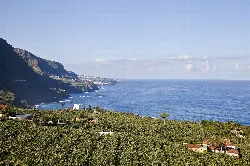
Landscape with green hills and ocean view from the viewpoint in Los Realejos.
Los RealejosSanta Cruz de Tenerife

What is the best viewpoint in Los Realejos?

One of the best viewpoints in Los Realejos is the Mirador de San Pedro, where visitors can enjoy stunning views of the palm groves and the coastline. This viewpoint is a popular spot for both locals and tourists, providing a picturesque backdrop for photography and relaxation.

Mirador de San Pedro For visitors ›

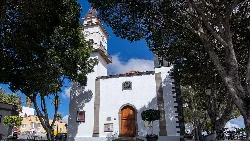
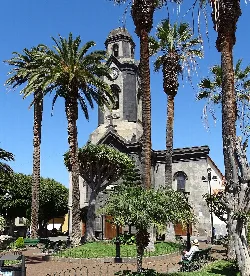
Church with tower and palm trees in Puerto de la Cruz.
Puerto de la CruzSanta Cruz de Tenerife

What can I see at the Iglesia de Nuestra Señora de la Peña de Francia?

The Iglesia de Nuestra Señora de la Peña de Francia, initially built in 1697, showcases beautiful architecture and has been expanded over the years. It serves as a significant religious site in Puerto de la Cruz, reflecting the town's cultural heritage.

Iglesia de Nuestra Señora de la Peña de Francia For visitors ›

Puerto de la CruzSanta Cruz de Tenerife

What is the significance of the Plaza del Charco?

Plaza del Charco is the heart of Puerto de la Cruz, surrounded by the main shopping area. It features the iconic 'pila' with the ñamera, symbolizing the plaza's cultural identity and serving as a vibrant gathering spot for locals and tourists alike.

Plaza del Charco For visitors ›

Puerto de la CruzSanta Cruz de Tenerife

What is the Lago de la Costa de Martiánez?

The Lago de la Costa de Martiánez is a leisure complex designed by César Manrique, featuring pools and lakes. Inaugurated in 1977, it is a popular spot for relaxation and recreation, showcasing the integration of nature and art.

Lago de la Costa de Martiánez For visitors ›

Puerto de la CruzSanta Cruz de Tenerife

What is the significance of the Castillo de San Felipe?

The Castillo de San Felipe, built in the 17th century, was constructed to protect the town from pirate attacks. Today, it serves as a cultural venue for events such as poetry readings and concerts, highlighting its historical importance.

Castillo de San Felipe For visitors ›

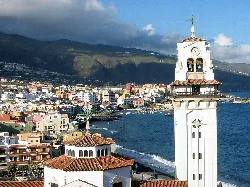
View of the basilica and Candelaria city by the sea with mountains in the background.
CandelariaSanta Cruz de Tenerife

What is the significance of the Basílica de Nuestra Señora de Candelaria?

The Basílica de Nuestra Señora de Candelaria is the most important temple in the municipality and a major pilgrimage site in Spain. It houses the image of the Patroness of the Canary Islands, Nuestra Señora la Virgen de Candelaria. The current basilica was built in 1959 and received the title of basilica minor from Pope Benedict XVI in 2011, making it a key religious site in the region.

Basílica de Nuestra Señora de Candelaria For visitors ›

CandelariaSanta Cruz de Tenerife

What can you tell me about the Cueva de Achbinico?

The Cueva de Achbinico, also known as the cave of San Blas, is a significant historical site where the Guanches worshipped the Virgin of Candelaria. It is located behind the basilica and is visited by pilgrims who leave candles and make requests. Inside, there is a bronze replica of the Virgin, making it a key location for religious devotion in Candelaria.

Cueva de Achbinico For visitors ›

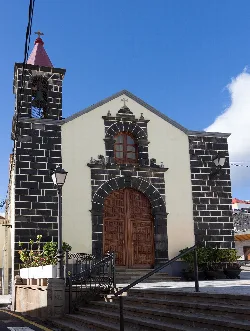
Church facade with wooden door and bell tower.
CandelariaSanta Cruz de Tenerife

What is the Iglesia de Santa Ana like?

The Iglesia de Santa Ana is a spacious church built in the mid-18th century, constructed over a 16th-century hermitage. It features a Mudéjar-style coffered ceiling and houses important religious images from the 17th and 18th centuries, making it a significant historical and architectural site in Candelaria.

Iglesia de Santa Ana For visitors ›

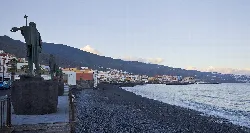
Beneharo statue in Candelaria next to the sea and coast.
CandelariaSanta Cruz de Tenerife

What is the significance of the Escultura al Mencey Beneharo?

The Escultura al Mencey Beneharo is a notable monument in Candelaria that commemorates one of the Guanche kings of the island. It reflects the cultural heritage and history of the region, symbolizing the indigenous roots of the area and the historical significance of the Guanche people in Tenerife.

Escultura al Mencey Beneharo For visitors ›

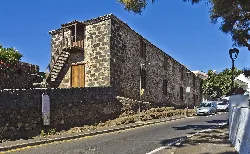
Stone building with external stairs and small windows in Tacoronte.
Tacoronte, TenerifeSanta Cruz de Tenerife

What can you tell me about the Casa de la Alhóndiga?

The Casa de la Alhóndiga is a significant historical building in Tacoronte, recognized as part of the city's Artistic Historical Ensemble. It serves as a venue for the annual wine week of the Tacoronte-Acentejo region, where wine tastings are held. This building highlights the town's rich agricultural heritage and its connection to local viticulture.

Casa de la Alhóndiga For visitors ›

Tacoronte, TenerifeSanta Cruz de Tenerife

What are the main historical landmarks in Tacoronte?

Tacoronte boasts several historical landmarks, including the church of Santa Catalina, the Casa de la Alhóndiga, and the sanctuary of the Cristo. These sites reflect the town's rich cultural heritage and are integral to its identity as a historical municipality in Tenerife.

For visitors ›

Icod de los VinosSanta Cruz de Tenerife

What is the famous tree in Parque del Drago?

The famous tree in Parque del Drago is known as El Drago Milenario, or the Thousand-Year-Old Dragon Tree. This impressive tree stands 22 meters tall and has a lower trunk diameter of 10 meters. While its exact age is uncertain, it is believed to be several hundred years old and serves as a symbol of Icod de los Vinos.

Parque del Drago For visitors ›

Icod de los VinosSanta Cruz de Tenerife

What can I see at the Church of San Marcos?

The Church of San Marcos, located in Plaza de Lorenzo Cáceres, features a stunning Canary-Islands-style architecture from the 16th century. Inside, you can find important religious images and valuable sculptures, including statues of St. Mark and Our Lady of the Kings, along with interesting paintings, including one of the Annunciation.

Church of San Marcos For visitors ›

Icod de los VinosSanta Cruz de Tenerife

What is the significance of the Plaza de La Pila?

Plaza de La Pila is notable for its beautiful old homes and the Casa de los Cáceres, which now serves as a museum. The plaza also features a small botanic garden, making it a serene spot to enjoy the local flora while taking in the historical architecture surrounding it.

Plaza de La Pila For visitors ›

Facade of San Miguel Arcángel church with trees and blue sky.
San Miguel de AbonaSanta Cruz de Tenerife

What can you tell me about the Iglesia de San Miguel Arcángel?

The Iglesia de San Miguel Arcángel is a notable church located in the urban center of San Miguel de Abona. It was built in the 17th century and has been a significant religious site for the local community. The church's architecture reflects the historical heritage of the area, making it a key landmark in the town.

Iglesia de San Miguel Arcángel For visitors ›

Guía de IsoraSanta Cruz de Tenerife

What is Guía de Isora known for?

Guía de Isora is known for its rich history, beautiful landscapes, and cultural festivals. The municipality features a blend of traditional Canarian architecture and modern structures. Additionally, it hosts significant events such as Semana Santa and the Pascua Florida, showcasing its vibrant community spirit and cultural heritage.

For visitors ›

Guía de IsoraSanta Cruz de Tenerife

Are there any historical sites to visit in Guía de Isora?

Yes, Guía de Isora has several historical sites, including the restored church that was originally an ermita. The area also features archaeological sites with evidence of Guanche presence, traditional Canarian architecture, and various cultural landmarks that reflect the town's rich history.

For visitors ›

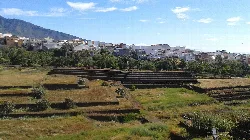
Pyramids of Güímar with terraces and hills in the background.
GüímarSanta Cruz de Tenerife

What are the Pirámides de Güímar?

The Pirámides de Güímar are a series of step pyramids located in Güímar, Tenerife. They are believed to have been constructed by the ancient Guanche people, and their purpose remains a topic of debate among historians and archaeologists. The site also features a visitor center that provides insights into the pyramids' history and the surrounding area.

Pirámides de Güímar For visitors ›

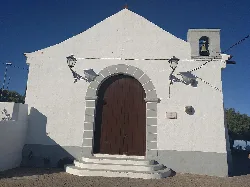
White chapel facade with wooden door and small bell tower.
El Rosario, TenerifeSanta Cruz de Tenerife

What is the Ermita de Nuestra Señora del Rosario?

The Ermita de Nuestra Señora del Rosario is a historic chapel located in Machado, Tenerife. Built in the late 18th century, it serves as a significant religious site and is dedicated to the patron saint of the municipality, the Virgin of the Rosary. The chapel is recognized for its cultural importance and is classified as a Bien de Interés Cultural (BIC).

Ermita de Nuestra Señora del Rosario For visitors ›

Santa Cruz de La PalmaSanta Cruz de Tenerife

What are some must-see sights in Santa Cruz de La Palma?

Santa Cruz de La Palma is rich in history and architecture. Key sights include the Plaza de España, featuring the Church of El Salvador, and the historic Teatro Chico. The Avenida Marítima, with its iconic wooden balconies, offers beautiful coastal views. Additionally, the Castillo de Santa Catalina and the remnants of ancient fortifications provide a glimpse into the city's past.

For visitors ›

Santa Cruz de La PalmaSanta Cruz de Tenerife

What is the significance of the Plaza de España?

The Plaza de España is a central landmark in Santa Cruz de La Palma, showcasing the city's architectural heritage. It features the Church of El Salvador and is surrounded by historical buildings, making it a popular gathering place. The plaza reflects the city's cultural identity and is often the site of local events and celebrations.

For visitors ›