Sights

3,246 questions

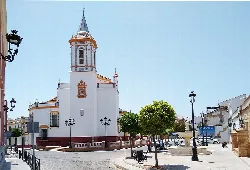
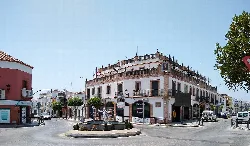
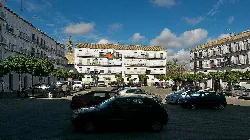
Main square of Marchena with white buildings, trees, and cars.
MarchenaSeville

What is the Plaza Ducal in Marchena known for?

The Plaza Ducal is a historic square in Marchena, reconstructed in 1711 under the guidance of Alonso Moreno. It is associated with Joaquín Ponce de León, the VII Duke of Arcos, and serves as a central gathering place, showcasing the town's architectural heritage and vibrant community life.
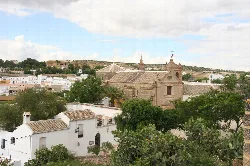
Plaza Ducal For visitors ›

MarchenaSeville

What are some notable museums in Marchena?

Marchena hosts several museums, including the Zurbarán Museum, dedicated to the artist Francisco de Zurbarán, and the Lorenzo Coullaut Valera Museum, showcasing works by the local sculptor. These museums highlight the town's artistic heritage and provide insights into its cultural history.

For visitors ›

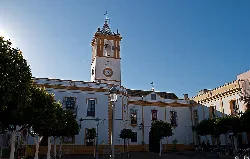
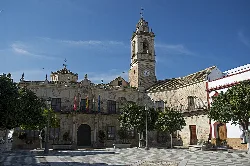
Town hall with tower and clock in the main square of Lora del Río.
Lora del RíoSeville

What is the Ayuntamiento in Lora del Río?

The Ayuntamiento, or Casa Capitular, is a notable Baroque building in Lora del Río, completed in 1761. It serves as the town hall and is a significant architectural landmark reflecting the town's historical and cultural heritage. Its design showcases the artistic style of the period, making it a point of interest for visitors and residents alike.

Ayuntamiento For visitors ›

Lora del RíoSeville

What is the Casa de los Leones?

The Casa de los Leones, built in 1765, is a notable civil building in Lora del Río. It showcases the architectural style of the period and serves as a reminder of the town's historical significance. Its design and historical context make it an interesting site for those exploring the area.

Casa de los Leones For visitors ›

View of Osuna Collegiate Church with trees and white houses.
OsunaSeville

What is the Colegiata de Osuna?

The Colegiata de Osuna, founded in 1535, is a significant church in Osuna, originally established as a parish. It features a severe exterior built from local stone and includes a notable Renaissance-style panteón. Inside, it houses exquisite altarpieces and artworks, including pieces by José de Ribera. The church reflects the rich history and architectural heritage of the region.

Colegiata de Osuna For visitors ›

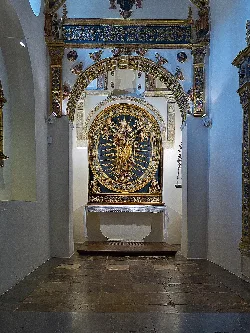
Golden altarpiece with Virgin sculpture holding a pomegranate in Osuna's church.
OsunaSeville

What is the significance of the Virgen de la Granada in the Colegiata?

The Virgen de la Granada is a notable sculpture located in the Colegiata de Osuna, attributed to Diego Guillén Ferrant. This piece, dating back to the 16th century, features the Virgin holding a pomegranate, symbolizing fertility and abundance. It is a key part of the church's artistic heritage and reflects the religious devotion of the community.

Virgen de la Granada For visitors ›

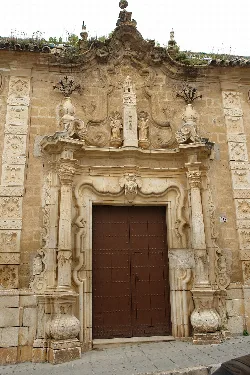
Stone facade with wooden door and decorative stone details in Osuna.
OsunaSeville

What is the Cilla del Cabildo?

The Cilla del Cabildo in Osuna, built in 1773, originally served as a granary and is now a parish house. Its architecture reflects the style of the time and contributes to the town's historical landscape. This building is an example of the significant civil constructions that emerged during Osuna's economic growth in the late 18th century.

Cilla del Cabildo For visitors ›

Castilleja de la CuestaSeville

What are some notable architectural features in Castilleja de la Cuesta?

Castilleja de la Cuesta features several notable architectural sites, including the Casa-palacio of Hernán Cortés, which resembles a castle, and various haciendas showcasing regional Andalusian architecture. The town's churches, like the Iglesia de Nuestra Señora de la Concepción, also reflect historical styles.

For visitors ›

Santa María de las Nieves church in La Algaba, Sevilla.
La AlgabaSeville

Can you tell me about the Iglesia de Santa María de las Nieves?

The Iglesia de Santa María de las Nieves is a significant church in La Algaba, originally constructed in the 14th century. It was rebuilt after the 1755 Lisbon earthquake and features a Mudéjar style with a Latin cross layout and three naves. The church is known for its intricate vaults and a prominent 18th-century altarpiece depicting the Virgin of the Snow.

Iglesia de Santa María de las Nieves For visitors ›

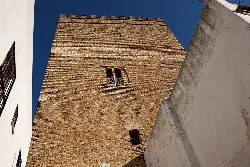
Guzmanes Tower with brick walls and small windows.
La AlgabaSeville

What is the Torre de los Guzmanes used for today?

Today, the Torre de los Guzmanes serves as a historical landmark in La Algaba, attracting visitors interested in its architectural heritage. While it was originally built for defense, it now stands as a symbol of the town's rich history and is often included in local tours and educational programs.

Torre de los Guzmanes For visitors ›

Sanlúcar la MayorSeville

What can you tell me about the Iglesia de San Eustaquio?

Iglesia de San Eustaquio is a mudéjar church located at the highest point of Sanlúcar la Mayor's historic center. Built on the site of an ancient Roman temple, it features three naves separated by pointed arches. The main altar is in Baroque style from the 18th century, while other chapels house images from the 15th to 18th centuries, making it a significant cultural site.

Iglesia de San Eustaquio For visitors ›

Sanlúcar la MayorSeville

What can you tell me about the Iglesia de Santa María?

Iglesia de Santa María is the most significant church in Sanlúcar la Mayor, built in the 13th century with later additions. It features three naves and a unique bell tower modified after the 1755 Lisbon earthquake. The church houses valuable religious artifacts, including a 14th-century crucifix and a treasury of liturgical items.

Iglesia de Santa María For visitors ›

GuillenaSeville

What can you tell me about the church in Guillena?

The church in Guillena, known as Parroquia de Ntra. Sra. de la Granada, is a Gothic-Mudéjar style building established in 1247. It has undergone several renovations due to earthquakes and other damages, with significant work completed in the 18th century. The church houses important religious artworks, including the image of the Virgen de la Granada, the town's patron saint.

Parroquia de Ntra. Sra. de la Granada For visitors ›

GuillenaSeville

What is the Palacio de Parladé?

The Palacio de Parladé, built in 1914, is a historic residence in Guillena designed in a romantic, historicist style. It was originally a country estate associated with bull breeding. The palace features a distinctive architecture with towers and a landscaped garden, reflecting the grandeur of early 20th-century designs.

Palacio de Parladé For visitors ›

White church with tower and trees in Pilas square.
PilasSeville

What is the significance of the Iglesia de Santa María la Mayor in Pilas?

Iglesia de Santa María la Mayor, built in the 18th century, is a key landmark in Pilas. Designed by architect Diego Antonio Díaz, it features a neoclassical altar from the early 20th century. The church houses important images, including Santa María la Mayor and Cristo Crucificado, and showcases various artistic styles, making it a center of local religious life.

Iglesia de Santa María la Mayor For visitors ›

Roundabout with monument in the center, surrounded by buildings and trees.
PilasSeville

What is the Rotonda entre la avenida Pío XII and calle Nuestra Señora de Fátima?

The Rotonda entre la avenida Pío XII and calle Nuestra Señora de Fátima is a notable roundabout in Pilas, serving as a central point for traffic and pedestrian access. It features a fountain and is surrounded by local shops and residences, making it a lively area in the town.

Rotonda entre la avenida Pío XII y calle Nuestra Señora de Fátima For visitors ›

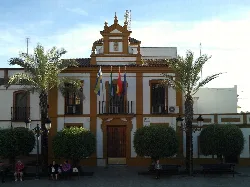
Historic building with flags, palm trees, and people sitting in the square.
GinesSeville

What is the building with the flags in Gines?

The building with the flags is the Antiguo Ayuntamiento de Gines, which served as the town hall. It features a distinctive architectural style typical of the region and is an important historical landmark in Gines, reflecting the municipality's governance and community activities.

Antiguo Ayuntamiento de Gines For visitors ›

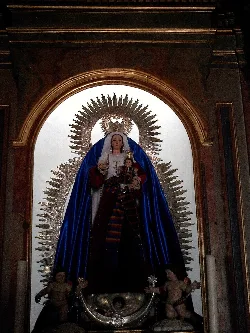
Image of the Virgin of the Rosary with a blue mantle and a golden background in the church.
GinesSeville

What can you tell me about the Church of the Virgin of Bethlehem?

The Church of the Virgin of Bethlehem, built in the 18th century, showcases Mudejar architectural style. It features a Latin cross-shaped plan with a nave and two aisles, and its High Altarpiece is in Rococo style. Notable artworks include the image of Our Lady of Bethlehem and several paintings from the 17th and 18th centuries.

Church of the Virgin of Bethlehem For visitors ›

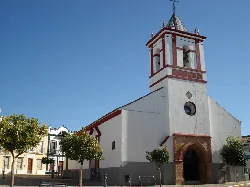
Church with tower and white facade in Brenes, Seville.
BrenesSeville

What can I see at the Parroquia de la Purísima Concepción?

The Parroquia de la Purísima Concepción, built in the late 15th century, showcases Mudéjar architectural style, particularly in its tower and main entrance. It features beautiful paintings by Juan del Castillo in the altar area and is notable for being one of the few buildings that survived the 1755 Lisbon earthquake.

Parroquia de la Purísima Concepción For visitors ›

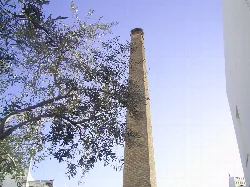
Tall industrial chimney with trees and nearby building in Brenes.
BrenesSeville

What is the significance of the Torre 'de la cigüeña'?

The Torre 'de la cigüeña' is an industrial chimney that symbolizes Brenes' historical industrial activities. It reflects the town's past in manufacturing and serves as a landmark that connects the community to its industrial heritage, particularly in olive oil production.

Torre 'de la cigüeña' For visitors ›

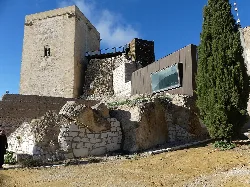
Castle of Estepa with old and modern structures in Seville.
EstepaSeville

What can you tell me about Castillo de Estepa?

Castillo de Estepa, located in the province of Seville, is a historical fortress that offers stunning views of the surrounding landscape. Originally built during the Muslim period, it played a significant role in the region's defense. The castle's architecture reflects various historical influences, making it a fascinating site for visitors interested in history and architecture.

Castillo de Estepa For visitors ›

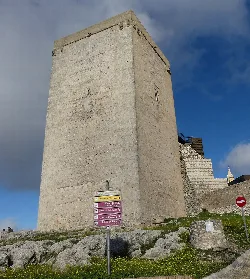
Large square stone tower in Estepa, Seville, with signage in the foreground.
EstepaSeville

What is the Torre del Homenaje?

The Torre del Homenaje is part of the Castillo de Estepa and served as a defensive tower. This impressive structure showcases the architectural style of the time and offers a glimpse into the castle's historical significance. Visitors can appreciate the craftsmanship and strategic design that made it an essential part of the fortress.

Torre del Homenaje For visitors ›

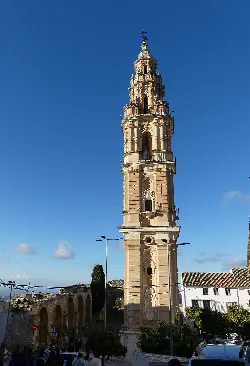
Church tower with multiple levels and decorative details in Estepa.
EstepaSeville

What is the Torre de la Victoria?

The Torre de la Victoria is a notable tower located in Estepa, part of the convent of the same name. This architectural feature is admired for its design and historical importance, contributing to the town's rich cultural heritage. Visitors often explore the area to appreciate its beauty and significance.

Torre de la Victoria For visitors ›

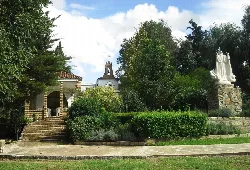
Sanctuary with stairs, trees, and a statue in the garden.
La Puebla del RíoSeville

What is the Sanctuary of Our Lady of Graces of Onuva?

The Sanctuary of Our Lady of Graces of Onuva is a notable religious site located in La Puebla del Río. It is dedicated to Our Lady as the Inmaculada Madre and Mediadora de las Gracias. The sanctuary is a place of pilgrimage and features beautiful gardens, making it a serene spot for visitors and locals alike.

Sanctuary of Our Lady of Graces of Onuva For visitors ›