
Food & drink

1,552 questions

AmurrioÁlava

How can I experience local cuisine in Amurrio?

To experience local cuisine in Amurrio, consider visiting the txakolineria, where you can taste the region's renowned txakoli wine. Additionally, local shops like Industrias Cárnicas Burutxaga offer traditional meat products, and Lur Denok specializes in ecological foods. Participating in food-related festivals like Mikoturismo eguna can also provide a taste of local flavors.
For visitors ›

Agurain/SalvatierraÁlava

Is it common to see traditional Basque food in Agurain/Salvatierra?

Yes, traditional Basque cuisine is prevalent in Agurain/Salvatierra. Visitors can enjoy local dishes that often feature fresh ingredients, seafood, and regional specialties. The town's culinary offerings reflect the rich cultural heritage of the Basque Country, providing a delightful experience for food lovers.

For visitors ›

Iruña de Oca/Iruña OkaÁlava

What kind of food can I expect during the cultural festivals in Iruña de Oca?

During the cultural festivals in Iruña de Oca, visitors can enjoy a variety of local dishes at the gastronomic fair. Residents from different regions of Spain prepare traditional meals, offering a taste of their culinary heritage. This event not only promotes local cuisine but also fosters community spirit and charity.

For visitors ›

Ribera Baja/Erribera BeitiaÁlava

What types of food are popular in Ribera Baja?

The cuisine in Ribera Baja reflects the traditional Basque flavors, with an emphasis on local ingredients. Dishes often include seasonal vegetables, meats, and fish, with a variety of preparations that showcase the region's culinary heritage. Local festivals also feature traditional foods, enhancing the community's cultural experience.

For visitors ›

Laguardia - GuardiaÁlava

What is the local cuisine like in Laguardia?

Laguardia is part of the Rioja Alavesa wine region, so local cuisine often features wine pairings. Traditional dishes include lamb, various tapas, and local cheeses. The town is also known for its excellent wineries, where visitors can enjoy wine tastings and learn about the winemaking process, enhancing the culinary experience.

For visitors ›

Laguardia - GuardiaÁlava

What is the significance of the local wineries?

The wineries in Laguardia are crucial to its economy and cultural identity, being part of the Rioja Alavesa wine region. They produce high-quality wines and offer tours and tastings, allowing visitors to experience the winemaking process firsthand. This aspect of Laguardia attracts wine lovers and contributes to its reputation as a gastronomic destination.

For visitors ›

ElciegoÁlava

What is the local cuisine like in Elciego?

Elciego's cuisine reflects its Basque heritage, with a focus on local ingredients. Traditional dishes often feature seasonal produce and are complemented by the region's renowned wines, particularly those from the Marqués de Riscal winery.

For visitors ›

BernedoÁlava

What is the food like in Bernedo?

The cuisine of Bernedo reflects traditional Basque flavors, often featuring local ingredients such as lamb, vegetables, and dairy products. Visitors can enjoy hearty dishes typical of the region, which are often prepared with a focus on quality and local sourcing.

For visitors ›

ArrastariaÁlava

What is the local cuisine like in Amurrio?

Amurrio's local cuisine reflects its Basque heritage, with a focus on fresh, high-quality ingredients. Traditional dishes often feature locally sourced meats and vegetables. The town also celebrates food-related events, such as Mikoturismo eguna, which highlights mushroom-based dishes, showcasing the region's culinary diversity.

For visitors ›

ÁvilaÁvila

What are some typical dishes to try in Ávila?

When visiting Ávila, you should try local specialties such as judías del barco, chuletón de Ávila, and yemas de Santa Teresa. The chuletón is a grilled ribeye steak made from the Avileña-Negra ibérica breed, while yemas are a sweet treat made from egg yolk, often found in traditional pastry shops. These dishes reflect the rich culinary heritage of the region.

For visitors ›

ArévaloÁvila

What are the main agricultural products in Arévalo?

Arévalo is known for its agricultural production, particularly cereals and legumes. The region benefits from fertile lands, making it a significant agricultural hub in Castile. The local economy is heavily reliant on agriculture, alongside a growing industrial sector focused on processing agricultural products.

For residents ›

Las Navas del MarquésÁvila

What are some popular local dishes in Las Navas del Marqués?

Local cuisine includes patatas revolconas, known as pote navero, which is a stew made with potatoes and torreznos. The area is also famous for its high-quality beef, including chuletones and solomillos, reflecting the region's agricultural traditions.

For visitors ›

CandeledaÁvila

What are some traditional dishes I should try in Candeleda?

When in Candeleda, be sure to try local specialties that highlight the region's culinary traditions. Dishes often feature the renowned paprika of Candeleda, used to flavor items like patatas bravas and chorizo. The local cuisine reflects a blend of influences from both Castile and Extremadura, offering a unique gastronomic experience.

For visitors ›

CebrerosÁvila

What local dishes should I try when visiting Cebreros?

Cebreros is renowned for its wines, which received Denomination of Origin Protected status in 2017. Visitors should sample local wines from producers like Vinos Perlado and Vinos El Galayo. Additionally, traditional sweets made during Carnival, such as huesillos and mantecados, are popular and reflect the town's culinary heritage.

For visitors ›

El Barco de ÁvilaÁvila

What type of food can I expect in El Barco de Ávila?

In El Barco de Ávila, you can expect traditional Castilian cuisine, featuring hearty dishes such as roasted meats, stews, and local pastries. The region is known for its agricultural products, which influence local recipes. Dining in the town often includes local wines and seasonal ingredients, providing an authentic taste of the area.

For visitors ›

PiedralavesÁvila

What kind of food can I expect to find in Piedralaves?

In Piedralaves, visitors can enjoy traditional Spanish cuisine, often featuring local ingredients. Popular dishes may include tapas, regional meats, and seasonal vegetables. During festivities, special treats like 'bollos de carnaval' are made, showcasing the area's culinary heritage. The local restaurants often highlight the flavors of Castile and León.

For visitors ›

PiedrahítaÁvila

How is the local cuisine in Piedrahíta?

Piedrahíta's local cuisine features traditional dishes that reflect the region's agricultural heritage. Visitors can enjoy hearty meals made from locally sourced ingredients, including meats and vegetables. The town also celebrates its culinary traditions during festivals, where local specialties are highlighted, offering a taste of the area's rich flavors.

For visitors ›

BurgohondoÁvila

What traditional food should I try in Burgohondo?

When in Burgohondo, you should try local specialties like morcilla de calabaza, a blood sausage made with pumpkin, and hornazo, a pastry filled with meats. Other traditional dishes include patatas revolconas and various stews, reflecting the region's rich culinary heritage.

For visitors ›

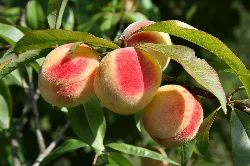
Three peaches on a tree with green leaves.
BurgohondoÁvila

What is the significance of the local peach in Burgohondo?

The peach, particularly the local variety, is significant in Burgohondo, especially during the harvest months of August and September. It is enjoyed fresh, in syrup, or dried, and reflects the agricultural traditions of the region.

For residents ›

MombeltránÁvila

What is the local cuisine like in Mombeltrán?

Mombeltrán's local cuisine features traditional Spanish dishes, often highlighting local ingredients such as olives and seasonal produce. During festivals, visitors can enjoy unique offerings like caldereta, a meat stew made from the bulls used in local festivities, showcasing the region's agricultural heritage.

For visitors ›

Pedro BernardoÁvila

What are the main agricultural products of Pedro Bernardo?

Pedro Bernardo's agriculture thrives due to its fertile soil and microclimatic conditions. Key products include figs, especially the 'cuello de dama' variety, olives for high-quality olive oil, and various fruits like kiwi, oranges, and almonds. The region's diverse agriculture reflects its rich natural resources and traditional farming practices.

For residents ›

Pedro BernardoÁvila

What types of crafts are traditionally made in Pedro Bernardo?

Pedro Bernardo has a rich tradition of craftsmanship, particularly in the production of wooden spoons and other wooden items, earning its residents the nickname 'cuchareros.' Although many traditional crafts have declined, some artisans still create leather products and wooden sculptures, keeping the local craftsmanship alive.

For residents ›

FontiverosÁvila

How is the local cuisine in Fontiveros?

Fontiveros features traditional dishes such as cocido Sanjuanero, celebrated on December 14 in honor of San Juan de la Cruz. The local cuisine emphasizes hearty, rustic flavors, often incorporating ingredients from the region's agricultural practices, making it a delightful experience for food lovers.

For visitors ›

GuisandoÁvila

What type of food is typical in Guisando?

Guisando's cuisine reflects traditional Spanish flavors, with an emphasis on local ingredients. Dishes often feature game meats, seasonal vegetables, and regional specialties. Visitors can enjoy meals at local restaurants that highlight these culinary traditions.

For visitors ›