
Food & drink

1,552 questions

NavalmoralÁvila

What are some traditional dishes from Navalmoral?

Navalmoral is known for its hearty traditional dishes, such as judías pintas con chorizo, which is a stew made with pinto beans and chorizo. Other local favorites include patatas revolconas, caldereta de cabrito, and the famous hornazo, a bread filled with various meats, typically enjoyed during Easter celebrations.
For visitors ›

La HorcajadaÁvila

What can you tell me about the local cuisine in La Horcajada?

La Horcajada's cuisine reflects traditional Castilian flavors, often featuring local ingredients. Visitors can enjoy hearty dishes such as stews, roasted meats, and regional cheeses. The area is also known for its agricultural products, which contribute to its culinary heritage.

For visitors ›

MingorríaÁvila

What is the traditional food associated with the festival of Las Aguas?

During the festival of Las Aguas, residents traditionally enjoy hornazo, a savory pastry filled with meat, and empanadillas. This culinary tradition highlights the local culture and community spirit, making the festival a significant social event in Mingorría.

For visitors ›

La ColillaÁvila

What kind of food can I find in La Colilla?

In La Colilla, you can expect to find traditional Castilian cuisine, often featuring hearty dishes made with local ingredients. Popular foods may include roasted meats, stews, and seasonal vegetables. The town's rural setting also means that fresh produce is readily available, enhancing the local culinary experience.

For visitors ›

PadiernosÁvila

What kind of food can I expect in Padiernos?

In Padiernos, traditional Castilian cuisine is prevalent, featuring hearty dishes such as roasted meats, stews, and local cheeses. Visitors can enjoy local specialties that reflect the agricultural heritage of the area, often made with fresh, locally sourced ingredients.

For visitors ›

La TorreÁvila

What are some traditional foods to try in La Torre?

In La Torre, traditional dishes include cocido, ajo soup, and chicharrones. The area is also known for its high-quality cured meats, such as chorizo and salchichones. Seasonal specialties like hornazo are enjoyed during celebrations, showcasing the local culinary heritage.

For visitors ›

La TorreÁvila

What types of crops are grown in La Torre?

The predominant crops in La Torre include cereals like barley, wheat, and oats, primarily grown in dry farming conditions. Recently, maize and strawberries have been cultivated using water from the valley's aquifer, reflecting agricultural adaptation in the region.

For residents ›

Collado de ContrerasÁvila

What is the local cuisine like in Collado de Contreras?

While specific dishes are not detailed, the region is known for its agricultural products, including cereals, legumes, and vegetables. Local cuisine likely reflects traditional Spanish rural cooking, emphasizing fresh, locally sourced ingredients.

For visitors ›

Bonilla de la SierraÁvila

What are some local dishes to try in Bonilla de la Sierra?

While specific local dishes are not detailed, traditional Spanish cuisine often features hearty stews, roasted meats, and local cheeses. Visitors to Bonilla de la Sierra can enjoy regional specialties that reflect the culinary traditions of Castile and León.

For visitors ›

Villafranca de la SierraÁvila

Are there any local dishes I should try in Villafranca de la Sierra?

When visiting Villafranca de la Sierra, you should try local dishes featuring the famous judías del Barco, a type of bean that is highly regarded for its flavor. Additionally, traditional agricultural products like fresh vegetables and meats from local farms are often featured in regional cuisine.

For visitors ›

VillaflorÁvila

What traditional foods can I try in Villaflor?

Villaflor's cuisine often features local ingredients, with dishes that include hearty stews and traditional recipes utilizing the area's fresh produce. The nearby Fuente de la mora is known for its excellent water, which is particularly favored for cooking. Expect to find simple, rustic meals that reflect the agricultural heritage of the region.

For visitors ›

ValdecasaÁvila

What traditional foods can I try in Valdecasa?

In Valdecasa, traditional cuisine often includes local meats and simple agricultural products. While specific dishes aren't detailed, you might find offerings like stews made from locally raised livestock or dishes featuring legumes, reflecting the agricultural practices of the area.

For visitors ›

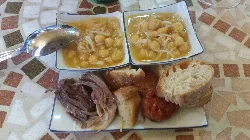
Tapa with miniature Ávila stew, chickpeas, meat, noodles, and sausages.
San PascualÁvila

What is the traditional dish from San Pascual?

A traditional dish from San Pascual is the cocido morañego, a hearty stew typically enjoyed in winter. It includes chickpeas, noodles, and various meats, served with bread. In summer, locals often enjoy gazpacho morañego, a cold soup made with bread, garlic, peppers, onions, tomatoes, oil, and vinegar, mixed in cold water.

For visitors ›

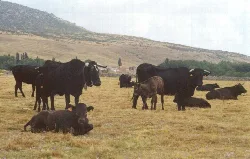
Cows and calves grazing in a field with hills in the background.
Garganta del VillarÁvila

What type of livestock is primarily raised in Garganta del Villar?

The primary livestock raised in Garganta del Villar is the Avileña-Negra Ibérica breed of cattle. This extensive cattle farming is crucial for the local economy, and the area features several well-maintained watering troughs for the livestock.

For residents ›

Narros del PuertoÁvila

What kind of food can I expect in Narros del Puerto?

While specific local dishes are not detailed, traditional Spanish cuisine often features hearty meals, including stews, roasted meats, and local cheeses. Given its rural setting, local produce and seasonal ingredients are likely to play a significant role in the culinary offerings of Narros del Puerto.

For visitors ›

San Esteban de los PatosÁvila

What kind of food can I expect in San Esteban de los Patos?

In San Esteban de los Patos, traditional food often includes local agricultural products and dishes typical of the Castile and León region. Visitors can enjoy hearty meals featuring meats, stews, and locally sourced ingredients, reflecting the agricultural heritage of this small village.

For visitors ›