Sights

3,246 questions

Pedro BernardoÁvila

What is the significance of the Parque del Rollo in Pedro Bernardo?

The Parque del Rollo is a notable park in Pedro Bernardo, featuring a balcony that offers panoramic views of the surrounding landscape. It includes a bust of Arturo Duperier, a local physicist, and the Rollo Justicia, emphasizing the town's historical significance and providing a recreational space for residents and visitors alike.
Parque del Rollo For visitors ›

Stone fountain with sculptures in Fontiveros, Ávila.
FontiverosÁvila

What is the significance of the fountain in Fontiveros?

The fountain in Fontiveros, known as Fontana a Fontiveros, is a notable landmark that reflects the town's historical connection to water sources. Its design and structure highlight the importance of water in the region, symbolizing life and community. This fountain serves as a gathering place and a point of interest for both residents and visitors.

Fontana a Fontiveros For visitors ›

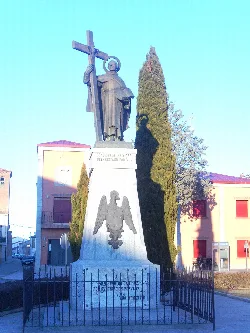
Statue of San Juan de la Cruz with cross and emblem in Fontiveros.
FontiverosÁvila

What is the significance of the statue of San Juan de la Cruz in Fontiveros?

The statue of San Juan de la Cruz in Fontiveros commemorates the town's most famous native. Erected in 1928, it symbolizes the town's pride in its historical and cultural heritage. The statue features an eagle, representing the Carmelite Order, and serves as a focal point for celebrations in honor of the saint.

Estatua de San Juan de la Cruz For visitors ›

GuisandoÁvila

Can you tell me about the architecture in Guisando?

Guisando features traditional vernacular architecture, with whitewashed houses that blend harmoniously with the natural surroundings. The village was declared a historical-artistic site in 1976, highlighting its well-preserved buildings and the unique character of its urban landscape.

For visitors ›

Square with town hall, clock, and fountain in Navalmoral de la Sierra.
NavalmoralÁvila

What can you tell me about Plaza Grande de Navalmoral?

Plaza Grande de Navalmoral features a historic fountain known as the Pilón Centenario, constructed in 1916. The fountain is notable for its intricate stone channels that supplied water from a nearby reservoir. This plaza serves as a central gathering place for locals and visitors alike, often hosting community events and activities.

Plaza Grande de Navalmoral For visitors ›

Small stone chapel with a wooden door in La Horcajada.
La HorcajadaÁvila

What can you tell me about the Ermita de los Mártires in La Horcajada?

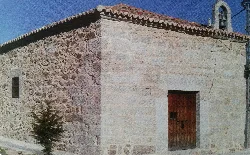
The Ermita de los Mártires, built in the 16th century, is located at the town's exit towards El Barco de Ávila. It features a rectangular shape and simple masonry. The altar retable dates back to the early 19th century and includes images of martyrs such as San Sebastián, San Fabián, and San Roque.

Ermita de los mártires For visitors ›

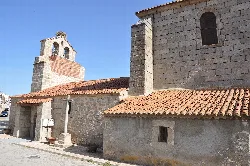
San Pedro Parish Church with stone tower and cloudy sky.
MingorríaÁvila

What can you tell me about the Iglesia parroquial de San Pedro?

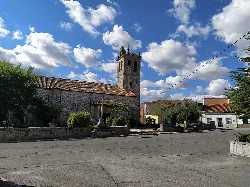
The Iglesia parroquial de San Pedro is a notable landmark in Mingorría, characterized by its three naves and impressive granite bell tower. The church features Baroque altars with Churrigueresque columns and a large organ, indicating its historical importance and architectural beauty within the community.

Iglesia parroquial de San Pedro en Mingorría For visitors ›

Panoramic view of La Colilla from the AV-P-602 road
La ColillaÁvila

What can I see in La Colilla?

Visitors to La Colilla can explore its charming streets and historical architecture, including the town hall and local houses. The surrounding landscape features the picturesque Sierra de Ávila and the valley of Amblés, providing opportunities for hiking and enjoying nature. The town's quarries are also a significant historical site worth visiting.

For visitors ›

Stone building with clock and flags on the town hall facade.
PadiernosÁvila

What is the Ayuntamiento de Padiernos?

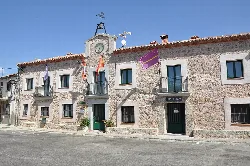
The Ayuntamiento de Padiernos is the town hall of Padiernos, located in the province of Ávila, Castile and León. This building serves as the administrative center for the municipality, where local governance and community affairs are managed. It reflects the local architectural style and is an important landmark in the town.

Ayuntamiento de Padiernos For visitors ›

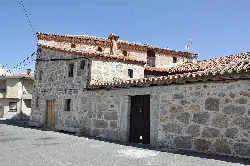
Stone house with wooden door and tiled roof in Padiernos.
PadiernosÁvila

What is the architectural style of the houses in Padiernos?

The houses in Padiernos are primarily constructed of stone, reflecting traditional Castilian architecture. Many buildings feature rustic designs with tiled roofs and wooden accents, contributing to the town's charming rural aesthetic.

For visitors ›

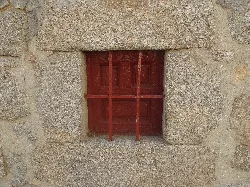
Small window with wooden door and bars in a stone wall.
La TorreÁvila

What is the significance of the small windows in La Torre's architecture?

The small windows, known as ventanucos, are characteristic of traditional architecture in La Torre. They were designed for practical purposes, providing light and ventilation while maintaining security. Many of these unique features can still be seen in the village today.

For visitors ›

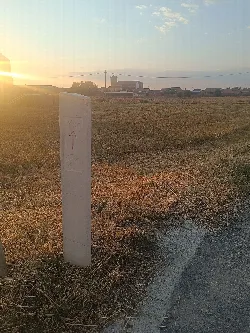
Way marker in a field with church in the background and sunset.
Collado de ContrerasÁvila

What is the Camino Teresiano and its relevance to Collado de Contreras?

The Camino Teresiano is a pilgrimage route connecting significant sites in the life of Santa Teresa de Jesús. It passes through Collado de Contreras, making it an important stop for those following this historical path, which features beautiful agricultural landscapes.

Camino Teresiano For visitors ›

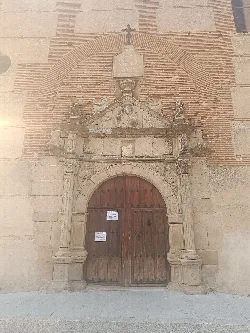
Church entrance with brick arch and sculptural details in Collado de Contreras.
Collado de ContrerasÁvila

What is the architectural style of the church's façade in Collado de Contreras?

The church's façade, attributed to sculptor Juan Rodríguez, showcases a classic design with a semi-circular arch, Corinthian columns, and intricate sculptures. This Plateresque Salamantino style is prominent in the region's historical architecture.

Nuestra Señora de los Dolores For visitors ›

Bonilla de la SierraÁvila

What is Bonilla de la Sierra known for?

Bonilla de la Sierra is recognized as one of the 'Los Pueblos Más Bonitos de España' since 2019, marking it as a beautiful village in Spain. Its picturesque setting in the Corneja Valley and historical significance, including its medieval architecture, contribute to its charm and appeal to visitors.

For visitors ›

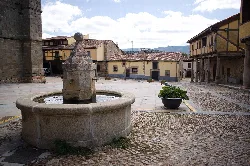
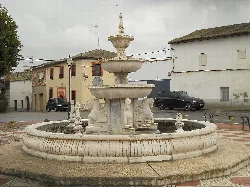
Stone fountain in the main square of Bonilla de la Sierra with historic buildings.
Bonilla de la SierraÁvila

What can I see at the Plaza Mayor de Bonilla de la Sierra?

The Plaza Mayor de Bonilla de la Sierra features a charming fountain at its center, surrounded by traditional architecture. This square serves as a social hub for the village, where visitors can enjoy the local atmosphere and perhaps catch a glimpse of community events or gatherings.

Plaza Mayor de Bonilla de la Sierra For visitors ›

Bonilla de la SierraÁvila

What is the significance of the church in Bonilla de la Sierra?

The Iglesia Colegiata de San Martín de Tours is a significant landmark in Bonilla de la Sierra, constructed in the early 15th century. It showcases Gothic architecture and has been declared a Bien de Interés Cultural, reflecting its historical and architectural importance.

Iglesia Colegiata de San Martín de Tours For visitors ›

Villafranca de la SierraÁvila

What can I see in Villafranca de la Sierra?

In Villafranca de la Sierra, visitors can explore the Church of Nuestra Señora de la Asunción, notable for its single nave and historical significance. The Alhóndiga, a former grain store turned cultural venue, is also worth a visit. The beautiful natural surroundings, including the river Corneja, offer opportunities for hiking and enjoying the local flora and fauna.

For visitors ›

Stone church with tower and red tiled roof in Villaflor.
VillaflorÁvila

What can you tell me about the Iglesia de Santiago Apóstol in Villaflor?

The Iglesia de Santiago Apóstol, constructed in 1545, is a significant landmark in Villaflor. It features a retablo from the same century, composed of fourteen panels, likely from the School of Berruguete. The church is dedicated to the patron saint Santiago Apóstol and reflects the town's historical and architectural heritage.

Iglesia de Santiago Apóstol For visitors ›

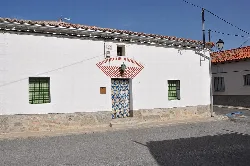
White house with decorated door and green barred windows in Villaflor.
VillaflorÁvila

What are the traditional houses like in Villaflor?

Villaflor features traditional houses made of adobe and stone, characterized by their rustic charm. Many homes have corrals for livestock and are situated near agricultural plots. The architectural style reflects the historical agricultural practices and the community's reliance on farming.

For visitors ›

ValdecasaÁvila

What can I see in Valdecasa?

In Valdecasa, the main attraction is its small church, which features a mix of architectural styles from different centuries. The church has a mudéjar bell tower and a beautiful retablo that is currently undergoing restoration. The surrounding mountainous landscape also offers opportunities for hiking and enjoying nature.

church For visitors ›

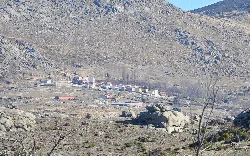
Mountain landscape with a small village in the valley.
ValdecasaÁvila

What is the architectural style of the houses in Valdecasa?

The houses in Valdecasa typically feature a traditional serrano style, characterized by thick granite walls and small windows with iron grilles. Many homes have decorative portalillos and are roofed with Arabic tiles, reflecting the local architectural heritage.

For visitors ›

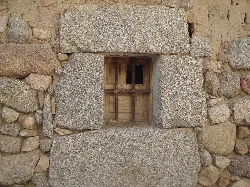
Wooden small window in stone wall in La Torre, Ávila.
ValdecasaÁvila

What can you tell me about the Ventanuco in Valdecasa?

The Ventanuco is a traditional feature in the popular architecture of the region, showcasing the rustic charm of Valdecasa. These small windows often have wooden frames and are integral to the local building style, allowing for light while maintaining privacy.

Ventanuco For visitors ›

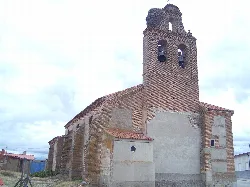
Church with brick bell tower in San Pascual, Ávila.
San PascualÁvila

What is the main church in San Pascual like?

The main church in San Pascual, dedicated to Nuestra Señora de la Asunción, dates back to the 18th century. It features a striking brick bell tower with three openings for bells. Inside, the church has three naves with arched vaults and houses eight Marian paintings attributed to Manuel Peti, one of which depicts the Virgin with a unicorn, symbolizing her incarnation.

Iglesia de San Pascual For visitors ›

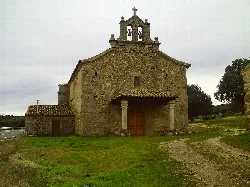
Small stone church with bell tower and wooden door in a rural setting.
Gallegos de SobrinosÁvila

What is the Ermita de Santa María del Espino in Gallegos de Sobrinos?

The Ermita de Santa María del Espino is a historic chapel built in the 16th century. It hosts significant festivals on the second Sunday of May and the third of September, attracting visitors from neighboring towns. These events are among the most popular in the area, featuring traditional processions and gatherings.

Ermita de Santa María del Espino For visitors ›