Sights

3,246 questions

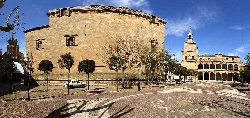
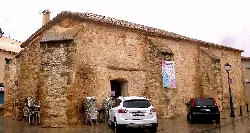
Stone building in Mota del Cuervo with a sign and parked cars on the street.
Mota del CuervoCuenca

What is Tercia Real in Mota del Cuervo?

Tercia Real is a notable landmark in Mota del Cuervo, representing the town's historical architecture. This site showcases the unique cultural heritage of the region and offers insights into the local way of life. It's a great spot for visitors interested in exploring the history and character of the area.
Tercia Real For visitors ›

Osa de la VegaCuenca

What are the main attractions in Osa de la Vega?

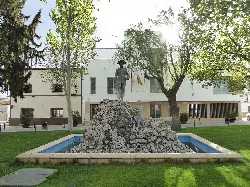
Osa de la Vega features several notable attractions, including the historic Iglesia de la Asunción, known for its miraculous painting of the Santo Rostro. The town is also home to ancient Roman mines, particularly the significant lapis specularis mines, and the charming La Molineta, a traditional windmill. Additionally, the Plaza Mayor offers a glimpse into local history with monuments and a statue of the local hero Gregorio Catalán.

For visitors ›

Sculpture in a fountain with trees and buildings in the background.
Osa de la VegaCuenca

What is La Molineta in Osa de la Vega?

La Molineta is a small traditional windmill that serves as a symbol of Osa de la Vega. This picturesque structure reflects the region's agricultural history and is a charming landmark for visitors. It embodies the local heritage and the traditional practices of the area, making it a notable point of interest in the town.

La Molineta For visitors ›

PriegoCuenca

What is the significance of the Iglesia de San Nicolás de Bari?

The Iglesia de San Nicolás de Bari is a prominent late Gothic building from the 16th century, constructed in 1540. It features impressive pillars supporting complex ribbed vaults and a striking Renaissance tower over 30 meters tall. The church houses significant artworks, including wooden sculptures and paintings. It also contains the chapel of the Virgen de la Torre, the town's patron saint.

Iglesia de San Nicolás de Bari For visitors ›

Villamayor de SantiagoCuenca

What can I see in Villamayor de Santiago?

Villamayor de Santiago offers a rich tapestry of history and culture. Visitors can explore the medieval streets, the impressive church of Asunción, and the Plaza de la Villa, surrounded by notable buildings like the Ayuntamiento and the Palacio de los Comendadores. Don't miss the local museum and the nearby archaeological site of Segóbriga, which provide deeper insights into the area's past.

For visitors ›

Villamayor de SantiagoCuenca

What is the Plaza de la Villa like?

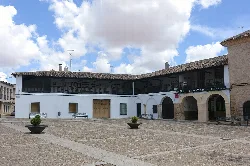
The Plaza de la Villa is the heart of Villamayor de Santiago's historic center. It is a beautifully preserved square, surrounded by significant buildings such as the Ayuntamiento and the church. The plaza's harmonious layout makes it a perfect spot for leisurely strolls and enjoying the local atmosphere.

Plaza de la Villa For visitors ›

Local museum building in a square with planters and cloudy sky.
Villamayor de SantiagoCuenca

What can you tell me about the local museum?

The local museum in Villamayor de Santiago is housed within the quijotesque molino de viento El Labrador. It features multimedia exhibits that showcase the town's ethnographic and cultural heritage, providing visitors with insights into the region's history and traditions.

local museum For visitors ›

Main square with Roman arch, church, and town hall in San Clemente.
San ClementeCuenca

What can I see at Plaza Mayor de San Clemente?

Plaza Mayor de San Clemente is surrounded by notable landmarks including the Arco Romano, the Iglesia de Santiago Apóstol, and the Casa Consistorial. This historic square serves as the heart of the town and is a great place to experience local culture and community events.

Plaza Mayor de San Clemente For visitors ›

San ClementeCuenca

What is the significance of the Iglesia de Santiago Apóstol?

The Iglesia de Santiago Apóstol is a remarkable architectural work, primarily in the Renaissance style, with elements from Gothic and Baroque periods. It features a basilical layout with stunning star-shaped domes and is classified as a cultural heritage site, showcasing the town's historical importance.

Iglesia de Santiago Apóstol For visitors ›

TorralbaCuenca

What are the main sights to see in Torralba?

Key sights in Torralba include the ruins of the Castillo or Torre Alba, which offer a glimpse into its medieval past, and the Ermita de Nuestra Señora de las Nieves, a church from the 15th-16th centuries featuring beautiful frescoes. The town's unique caves, used for winemaking, are also noteworthy.

For visitors ›

TorralbaCuenca

What kind of architecture can I see in Torralba?

Visitors to Torralba can admire typical local architecture, including examples of popular styles and several houses featuring noble coats of arms. The urban layout centers around a main square, showcasing the town's historical significance and architectural heritage.

For visitors ›

BonichesCuenca

What are the main attractions in Boniches?

Boniches offers several attractions, including its beautiful natural landscapes and historical sites. Notable landmarks include the remains of a watchtower at Picota and the church dedicated to the Virgen de la Asunción. The surrounding area features scenic rock formations and the picturesque Cabriel River, ideal for nature enthusiasts.

For visitors ›

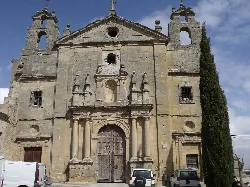
Facade of an old church with columns and bell towers in Huete.
HueteCuenca

What can you tell me about the Iglesia de Santo Domingo?

The Iglesia de Santo Domingo in Huete was founded in the late 14th century by nuns from Amasatrigo. The current church, designed by fray Alberto de la Madre de Dios, was built between 1621 and 1642. Its austere yet elegant facade features a giant order and five lateral chapels, making it a significant architectural piece in the region.

Iglesia de Santo Domingo For visitors ›

HueteCuenca

What is the significance of the Torre del Reloj?

The Torre del Reloj has been a central feature in Huete since medieval times, originally serving to regulate daily life. Constructed in the late 18th century, it combines late Baroque and early Neoclassical elements, featuring a beautiful lantern and housing the town's historic clock, which has governed the local rhythm for centuries.

Torre del Reloj For visitors ›

HueteCuenca

What historical sites are worth visiting in Huete?

Huete is home to several historical sites, including the Muralla urbana, the Castillo de Luna, and the Iglesia de Nuestra Señora de Atienza. Each site reflects the town's diverse history, from its Andalusian origins to its medieval significance, making them essential stops for history enthusiasts.

For visitors ›

HueteCuenca

What is the architectural style of the Palacio Episcopal in Huete?

The Palacio Episcopal in Huete showcases a blend of styles, primarily reflecting late 18th-century architecture. It was constructed in three phases, with the initial design attributed to Antonio María Carabella. The building features a mix of neoclassical elements and decorative details typical of the period, making it an interesting architectural landmark.

Palacio Episcopal For visitors ›

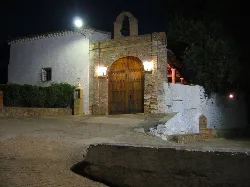
Door of the Hermitage of Piedad in Mira with brick walls and night lighting.
MiraCuenca

What can I see at the Ermita de la Piedad in Mira?

The Ermita de la Piedad, dating back to the 16th century, features a single nave built with lime and stone. Notable for its lateral corridor supported by Tuscan columns, it has a brick arch entrance and a small bell tower. This charming structure is located just north of the village, along the path leading to the river Ojos de Moya.

Ermita de la Piedad For visitors ›

MoyaCuenca

What are the main sights to see in Moya?

Key sights in Moya include the ruins of the medieval city, featuring five walled enclosures and several churches, such as the church of Santa María and the church of San Miguel. The Castillo de Moya, situated on a hill, offers stunning views and historical significance as part of the town's heritage.

For visitors ›

Castle and walls on the hilltop in Moya.
MoyaCuenca

What is the significance of the Castillo de Moya?

The Castillo de Moya is a historical landmark situated on a hill, offering a glimpse into the town's medieval past. It was part of the defensive structures surrounding the town and played a significant role in the region's history, particularly during the reconquest and later conflicts.

Castillo de Moya For visitors ›

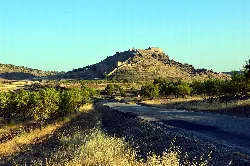
View of Moya hill with ancient structures and vegetation in the foreground.
MoyaCuenca

What is La Coracha in Moya?

La Coracha is a defensive structure associated with the Castillo de Moya. It features two towers, the Torre del Agua and the Torre de San Roque, and was crucial for water supply and defense during the medieval period, showcasing the strategic importance of the site.

La Coracha For visitors ›

View of the castle with walls and towers in a town with houses and trees.
Castillo de GarcimuñozCuenca

What can I see at the Castillo de Garcimuñoz?

Visitors to Castillo de Garcimuñoz can explore the remains of the castle, which features thick walls, circular towers, and a unique Gothic-Isabeline entrance. The site also offers views of the surrounding landscape, showcasing its historical and architectural significance. The castle has been partially restored and is open to the public, allowing for a glimpse into its storied past.

Castillo de Garcimuñoz For visitors ›

Castillo de GarcimuñozCuenca

What is the significance of the Cruz de Jorge Manrique?

The Cruz de Jorge Manrique is a monument located about 3 km from Castillo de Garcimuñoz, commemorating the poet Jorge Manrique, who is said to have been mortally wounded nearby in 1479. Built in 1941, it serves as a historical marker and is a point of interest for visitors exploring the area's literary connections.

Cruz de Jorge Manrique For visitors ›

HenarejosCuenca

What are the main attractions in Henarejos?

Henarejos features several notable attractions, including the Torre de vigilancia musulmana, a historical watchtower, and the Iglesia de Nuestra Señora de la Asunción, which showcases traditional architecture. Additionally, the Abrigo del Tío Modesto offers unique rock paintings from different eras, making it significant for those interested in prehistoric art.

For visitors ›

HenarejosCuenca

What is the significance of the Iglesia de Nuestra Señora de la Asunción?

Constructed starting in 1593, the Iglesia de Nuestra Señora de la Asunción is notable for its robust stone structure and traditional cross-shaped layout. It features a simple façade and a 25-meter bell tower. Inside, visitors can find altars dedicated to the Virgin of Dolores and the local patron, Cristo de la Salud, showcasing the town's religious heritage.

Iglesia de Nuestra Señora de la Asunción For visitors ›