
Food & drink

1,552 questions

Zarza de TajoCuenca

What is the Torta de la Virgen, and when is it made?

The Torta de la Virgen is a traditional pastry made from honey, flour, olive oil, eggs, and water. It is prepared at the end of January to celebrate the Feast of the Virgen de las Candelas, showcasing local agricultural products like honey and olive oil.
For visitors ›

Olmeda del ReyCuenca

What are the main agricultural products in Olmeda del Rey?

The primary agricultural products in Olmeda del Rey include cereals such as wheat, barley, and oats, along with sunflowers and vegetables. The area is also known for its historical production of saffron, although current yields are minimal. The local agriculture is supported by the fertile land around the river Gritos.

For residents ›

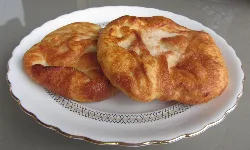
Two golden, fluffy sponge cakes on a white dish.
VelliscaCuenca

What traditional foods should I try in Vellisca?

In Vellisca, you can enjoy traditional dishes such as ajoarriero, gazpachos galianos, and bizcocho borracho. The local cuisine emphasizes meat, particularly game, and features seasonal ingredients typical of the region.

For visitors ›

Two golden, fluffy sponge cakes on a white dish.
VelliscaCuenca

What is the significance of the bizcocho borracho?

Bizcocho borracho is a traditional dessert from Vellisca, known for its rich flavor and moist texture. It is often enjoyed during local festivities and reflects the region's culinary heritage, making it a must-try for visitors.

For visitors ›

El ProvencioCuenca

What types of food are popular in El Provencio?

El Provencio's cuisine reflects its agricultural heritage, featuring local products such as garlic, sunflowers, and various vegetables. Traditional dishes often include hearty stews and roasted meats, particularly during local festivals. The community also celebrates the 'Jornadas sobre la Matanza del Cerdo,' showcasing the preparation of pork and related delicacies, preserving culinary traditions.

For residents ›

TalayuelasCuenca

How is the local cuisine in Talayuelas?

The local cuisine in Talayuelas reflects its agricultural heritage, featuring dishes that utilize ingredients like pork and game meat. Specialties include almortas, morteruelo, ajo arriero, and gazpacho pastor. The flavors are robust, often enhanced with spices, making it a unique culinary experience that showcases the region's traditions.

For visitors ›

Mota del CuervoCuenca

What is the significance of the alfarería in Mota del Cuervo?

Alfarería, or pottery, is a vital aspect of Mota del Cuervo's cultural heritage. Traditionally crafted by women, this utilitarian pottery, especially water pitchers, reflects the town's artisanal skills. The local artisans, known as cantareras, have preserved this craft, making it an important part of the community's identity.

For residents ›

Osa de la VegaCuenca

What is the local cuisine like in Osa de la Vega?

Osa de la Vega's cuisine reflects traditional Spanish flavors, with a focus on local agricultural products. Dishes often feature ingredients like almonds, which are a significant crop in the area, as well as cereals and legumes. Visitors can enjoy hearty meals that highlight the region's agricultural heritage, often prepared with local recipes passed down through generations.

For visitors ›

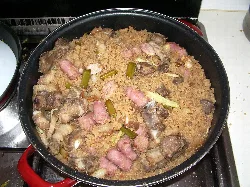
Migas ruleras in a pan with bread, sausage, bacon, and garlic.
ValdemecaCuenca

What is Migas ruleras and why is it popular in Valdemeca?

Migas ruleras is a traditional dish from the region, made primarily from stale bread soaked in water, garlic, oil, and various meats like longaniza and tocino. This dish reflects the local culinary heritage, influenced by the harsh climate and pastoral traditions of the area. It's a staple in gatherings and celebrations, showcasing the region's rich gastronomy.

For visitors ›

Migas ruleras in a pan with bread, sausage, bacon, and garlic.
ValdemecaCuenca

What traditional dishes should I try while visiting Valdemeca?

When visiting Valdemeca, be sure to try local specialties like morteruelo, a hearty stew made with pork liver and spices, and migas ruleras, a dish made from soaked bread and meats. These dishes reflect the region's culinary heritage and are often enjoyed during community gatherings.

For visitors ›

Villamayor de SantiagoCuenca

What local food should I try in Villamayor de Santiago?

When visiting Villamayor de Santiago, be sure to try the renowned Manchego cheese, which has a Denomination of Origin. The local cuisine also features excellent wines and olive oils, reflecting the region's agricultural heritage. These delicacies are a must for any food enthusiast.

For visitors ›

San ClementeCuenca

What local food should I try in San Clemente?

When in San Clemente, you should try local specialties like queso manchego, ajos, and cebollas. The region is also known for its wine production, particularly from the cooperative Nuestra Señora de Rus, which showcases the area's agricultural heritage.

For visitors ›

TorralbaCuenca

What is the local economy of Torralba like?

Torralba's economy is primarily based on agriculture, with additional contributions from livestock, hospitality, and construction. The region is known for producing honey, and traditional winemaking practices continue to thrive, attracting interest from both locals and visitors.

For residents ›

BonichesCuenca

What type of food can I expect in Boniches?

In Boniches, traditional cuisine is influenced by its agricultural roots. Expect to find local dishes featuring fresh vegetables, fruits, and meats. The area is known for its fertile lands, producing a variety of crops like cucumbers, potatoes, and fruits from orchards. Local eateries may offer simple, hearty meals typical of rural Spanish cuisine.

For visitors ›

HueteCuenca

What kind of food can I expect in Huete?

In Huete, you can enjoy traditional Castilian cuisine, which includes hearty dishes like pisto manchego, migas, and various stews. Local restaurants often serve regional specialties, showcasing ingredients sourced from the surrounding agricultural areas, making for a delightful culinary experience.

For visitors ›

MiraCuenca

What are the main crops grown in Mira?

The economy of Mira is primarily agricultural, with significant cultivation of vineyards, almond trees, fruit trees, and olive groves. Additionally, cereals like wheat and barley are grown, along with abundant vegetable gardens near the river Ojos de Moya, which irrigates the fields.

For residents ›

MoyaCuenca

What can I expect from the food in Moya?

While specific culinary offerings are not detailed, traditional Spanish cuisine in small towns like Moya often features local ingredients and recipes. Expect hearty meals, possibly including regional specialties, reflecting the agricultural heritage of the area.

For visitors ›

Castillo de GarcimuñozCuenca

What types of agriculture are practiced in Castillo de Garcimuñoz?

The primary agricultural activities in Castillo de Garcimuñoz focus on growing barley, sunflowers, and olives. Historically, wheat was also cultivated, but its production has declined in recent years. The region's flat terrain and climate make it suitable for these crops, which are vital for the local economy.

For residents ›

HenarejosCuenca

Can you tell me about the local cuisine in Henarejos?

Henarejos offers traditional culinary experiences, especially during local festivals. Dishes like caldereta, made from the meat of bulls used in festivities, are popular. Additionally, culinary contests featuring tortilla and paella highlight the community's love for food, showcasing local flavors and recipes.

For visitors ›

El PicazoCuenca

What are the main economic activities in El Picazo?

The economy of El Picazo primarily revolves around agriculture, with a focus on horticultural products, cereals, olives, grapes, and fruit trees. Additionally, livestock farming, particularly sheep, and hunting activities contribute to the local economy.

For residents ›

La AlmarchaCuenca

What are the main agricultural products of La Almarcha?

La Almarcha's economy is primarily based on agriculture, with key products including wheat, barley, olives, and sunflowers. These traditional agricultural practices play a vital role in the local economy and reflect the region's agricultural heritage.

For residents ›

BelmonteCuenca

What are some traditional dishes to try in Belmonte?

In Belmonte, you can savor traditional dishes such as morteruelo, a type of game meat pâté, gachas, a thick dough made from flour, and zarajos, which are made from lamb intestines. These dishes reflect the local culinary heritage and are often enjoyed during festivals and gatherings.

For visitors ›

EnguídanosCuenca

How is the local cuisine in Enguídanos?

Enguídanos features traditional Spanish cuisine, with local dishes often highlighting ingredients like fresh vegetables, meats, and fish from the nearby rivers. Local specialties may include game dishes, reflecting the area's rich hunting traditions.

For visitors ›

Campillo de AltobueyCuenca

What kind of agriculture is practiced in Campillo de Altobuey?

Agriculture in Campillo de Altobuey includes a variety of crops such as cereals, olives, and lentils. The town is historically known for its saffron production, although this has decreased. The local Cooperative San Andrés Apóstol supports farmers with various services.

For residents ›